
⏱️ 6 min read
Every day, people interact with dozens of common objects without giving them a second thought. From the keyboard you type on to the zipper on your jacket, these familiar items have fascinating histories, surprising features, and hidden complexities. Understanding the stories behind these everyday objects can transform the mundane into the extraordinary and reveal the ingenuity of human innovation.
Remarkable Discoveries About Common Items
1. The QWERTY Keyboard’s Deliberate Slowdown
The standard keyboard layout wasn’t designed for speed but to prevent typewriter jams. In the 1870s, Christopher Latham Sholes arranged commonly paired letters far apart to slow typists down, ensuring mechanical arms wouldn’t collide. Despite modern keyboards having no such limitation, the inefficient layout persists due to widespread adoption and muscle memory.
2. Plastic Wrap’s Military Origins
The clingy kitchen staple was originally developed as a spray-on coating for military fighter planes during World War II. When scientists at Dow Chemical discovered it wasn’t suitable for that purpose, they repurposed it for civilian use, eventually becoming an essential food storage solution in homes worldwide.
3. The Microwave Oven’s Accidental Invention
Engineer Percy Spencer discovered microwave cooking entirely by accident in 1945 when a chocolate bar melted in his pocket while working with radar equipment. This serendipitous moment led to one of the most revolutionary kitchen appliances, fundamentally changing how people prepare food.
4. Bubble Wrap’s Failed Wallpaper Dream
Inventors Marc Chavannes and Al Fielding created bubble wrap in 1957 as textured wallpaper by sealing two shower curtains together. When that market rejected their product, they pivoted to marketing it as greenhouse insulation before finally finding success as protective packaging material.
5. Post-it Notes Born from Failed Adhesive
In 1968, 3M scientist Spencer Silver created an adhesive that was too weak for its intended purpose. Years later, colleague Art Fry used it to create bookmarks that wouldn’t damage his hymnal pages, leading to one of the most successful office products ever created.
6. The Ballpoint Pen’s Aviation Connection
László Bíró invented the ballpoint pen after observing how newspaper ink dried quickly. The pen gained popularity during World War II when the British Royal Air Force needed pens that wouldn’t leak at high altitudes, unlike traditional fountain pens that relied on gravity and air pressure.
7. Shopping Cart Resistance in Early Days
When Sylvan Goldman introduced shopping carts in 1937, customers refused to use them. Men thought they looked weak pushing carts, while women found them similar to baby carriages. Goldman hired models to push carts around his store to demonstrate their acceptability and usefulness.
8. The Rubber Band’s Ancient Rubber Source
While rubber bands were patented in 1845, the rubber came from trees in the Amazon rainforest. Indigenous peoples had used natural rubber for centuries before Europeans discovered it, creating waterproof boots and balls long before industrial applications emerged.
9. Tea Bags Created by Mistake
New York tea merchant Thomas Sullivan sent samples in small silk bags in 1908, intending customers to remove the tea. Instead, they dunked the entire bag, finding it more convenient. This accident revolutionized tea consumption and became the standard method worldwide.
10. The Zipper’s Slow Rise to Prominence
Despite being invented in 1893, zippers didn’t become popular until the 1920s when the B.F. Goodrich Company used them in rubber boots. The company coined the name “zipper” after the sound the fastener made, and World War I increased demand as they proved more efficient than buttons for military gear.
11. Aluminum Foil’s Expensive Past
Before the Hall-Héroult process made aluminum affordable in the late 1800s, the metal was more valuable than gold. Napoleon III served his most honored guests with aluminum utensils while others used gold. Today, people casually wrap leftovers in what was once a precious material.
12. The Pencil Eraser’s Pink Tradition
Erasers aren’t naturally pink. When the modern eraser was developed, manufacturers added the color to distinguish their product from competitors. The tradition stuck, and pink became synonymous with erasers despite eraser material having no inherent color preference.
13. Paper Clips During Nazi Occupation
During World War II, Norwegians wore paper clips on their lapels as a symbol of resistance and unity against Nazi occupation. The simple office supply became a powerful statement of solidarity, demonstrating how everyday objects can carry profound cultural significance.
14. The Toothbrush’s Prison Innovation
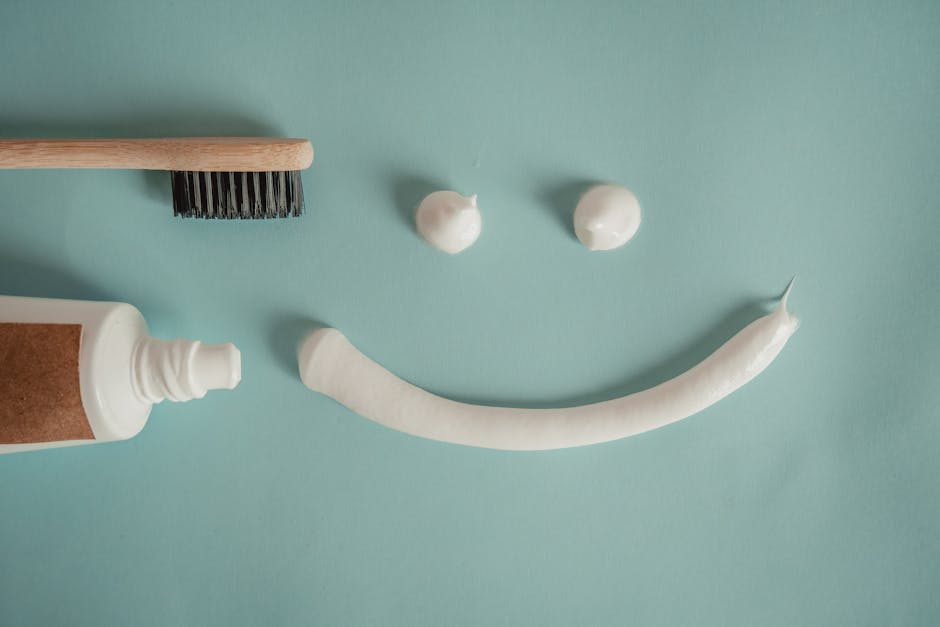
The modern toothbrush with nylon bristles was invented in 1938, but bristle toothbrushes date to ancient China around 1498. Interestingly, the first mass-produced modern toothbrush was made by prisoners in 1780s England using animal bones and boar bristles.
15. Velcro Inspired by Nature
Swiss engineer George de Mestral invented Velcro in 1941 after examining burrs stuck to his dog’s fur under a microscope. He spent eight years developing the hook-and-loop fastener, which became essential in aerospace, medicine, and everyday clothing.
16. The Match’s Dangerous Early Formulation
Early matches contained white phosphorus, which was highly toxic and caused a disease called “phossy jaw” in factory workers. The condition literally rotted away the jawbone. Safety matches using red phosphorus replaced the dangerous versions in the late 1800s.
17. Teflon’s Accidental Discovery
DuPont scientist Roy Plunkett discovered Teflon by accident in 1938 while researching refrigerants. The slippery substance initially found use in the Manhattan Project before becoming the non-stick coating on cookware that revolutionized home cooking decades later.
18. The Stapler’s Handcrafted Royal Beginning
The first known stapler was handmade in the 18th century for King Louis XV of France. Each staple was individually inscribed with the royal insignia, making it perhaps the most luxurious office supply ever created.
19. Scotch Tape’s Ethnic Controversy
The “Scotch” in Scotch Tape came from an ethnic slur. When 3M’s masking tape initially had too little adhesive, a frustrated customer told the salesman to take it back to his “Scotch” bosses and add more adhesive. The company reclaimed the term as a brand name, emphasizing value and quality.
20. The Humble Paperclip’s Design Perfection
The modern paperclip design, called the Gem, hasn’t changed significantly since the 1890s because it’s nearly perfect. Its simple wire shape efficiently holds papers together while being inexpensive to manufacture, proving that sometimes the simplest solutions are the most enduring.
Understanding the World Through Objects
These twenty everyday objects demonstrate that innovation often comes from unexpected places—military needs, accidental discoveries, and nature’s inspiration. Many items people use without thinking have survived decades or centuries because their designs solved problems so efficiently that improvement became unnecessary. From keyboards deliberately designed to slow users down to erasers colored pink purely for marketing reasons, the objects surrounding us tell stories of human creativity, persistence, and the ability to find practical applications for failed experiments. The next time you reach for a paper clip, tear off some aluminum foil, or pop bubble wrap, remember that these simple items represent breakthrough moments in human ingenuity and have fascinating histories worth appreciating.
