














1 / 20 Questions
0 Points

What is the frozen core of a comet called?

Nucleus

Heart

Core

Center

Points won
0
Correct score
0%

More questions

More Articles

Top 10 Cool Facts About Natural Disasters

Top 10 Cool Facts About Natural Disasters

⏱️ 7 min read

Natural disasters have shaped our planet for millions of years, influencing everything from geological formations to human civilization. While these powerful events can be devastating, they also reveal fascinating insights into Earth's dynamic systems and the incredible forces that govern our world. Understanding these phenomena helps us appreciate both the power of nature and the resilience required to coexist with it.

Remarkable Insights Into Earth's Most Powerful Events

1. Earthquakes Can Make Days Shorter

The 2011 earthquake in Japan was so powerful that it literally altered Earth's rotation. Scientists calculated that this 9.0 magnitude quake redistributed enough mass to shorten each day by approximately 1.8 microseconds. This occurs because massive earthquakes can shift the Earth's axis and change how the planet's mass is distributed. The phenomenon is similar to how figure skaters spin faster when they pull their arms closer to their body. While the change is imperceptible to humans, it demonstrates the extraordinary power these seismic events possess. The 2004 Indian Ocean earthquake similarly affected Earth's rotation, shortening the day by 6.8 microseconds.

2. Lightning Strikes Earth 8 Million Times Daily

Thunderstorms produce an astonishing amount of electrical activity across the globe. Every single day, approximately 8 million lightning strikes hit Earth's surface, with roughly 100 strikes occurring every second. The temperature of a lightning bolt can reach 30,000 Kelvin (53,540 degrees Fahrenheit), which is five times hotter than the surface of the sun. This intense heat causes the surrounding air to expand rapidly, creating the thunder we hear. Some lightning bolts can stretch for miles, and certain thunderstorms can produce thousands of strikes in just a few hours, making lightning one of nature's most frequent and powerful displays.

3. Tornadoes Create Their Own Weather Systems

Tornadoes don't just respond to weather conditions—they actively create their own atmospheric phenomena. The powerful updrafts and downdrafts within and around a tornado can generate localized pressure drops so significant that they produce unique weather effects. Some tornadoes have been known to cause sudden temperature drops of up to 20 degrees Fahrenheit in seconds. The most powerful tornadoes can also produce their own lightning, a phenomenon called "in-cloud" lightning that occurs within the debris cloud. Additionally, the extreme low pressure at a tornado's core can cause buildings to explode outward, a force so powerful it appears to make structures burst from the inside.

4. Volcanic Eruptions Can Trigger Global Climate Changes

Major volcanic eruptions have the power to affect global temperatures for years. When Mount Tambora erupted in 1815, it ejected so much ash and sulfur dioxide into the atmosphere that it caused "The Year Without a Summer" in 1816. Temperatures dropped worldwide, crops failed across Europe and North America, and snow fell in June in New England. The eruption released approximately 100 cubic kilometers of material into the atmosphere, creating a volcanic winter effect. More recently, the 1991 eruption of Mount Pinatubo in the Philippines lowered global temperatures by about 0.5 degrees Celsius for nearly two years, demonstrating how volcanic activity can have immediate and measurable impacts on Earth's climate systems.

5. Hurricanes Release Enormous Amounts of Energy

A fully developed hurricane releases heat energy equivalent to a 10-megaton nuclear bomb exploding every 20 minutes. Over the course of a single day, a hurricane can release energy equal to about 200 times the entire world's electrical generating capacity. This energy comes primarily from the latent heat released when water vapor condenses into rain. The largest hurricanes can contain more than 2 trillion gallons of water and generate wind speeds exceeding 200 miles per hour. Despite this incredible power, only about 3% of a hurricane's total energy is converted into the kinetic energy of wind—the rest is released as heat.

6. Tsunamis Travel at Jet Aircraft Speeds

In deep ocean waters, tsunami waves can travel at speeds exceeding 500 miles per hour, comparable to a commercial jet airplane. At these speeds, a tsunami can cross the entire Pacific Ocean in less than a day. Despite their incredible velocity in deep water, tsunamis are barely noticeable at sea, with wave heights often less than three feet and wavelengths extending hundreds of miles. However, as these waves approach shallow coastal waters, they slow down and compress, causing the water to pile up into devastating walls that can exceed 100 feet in height. This transformation from barely visible ocean swell to catastrophic coastal wave makes tsunamis particularly dangerous and difficult to detect in open water.

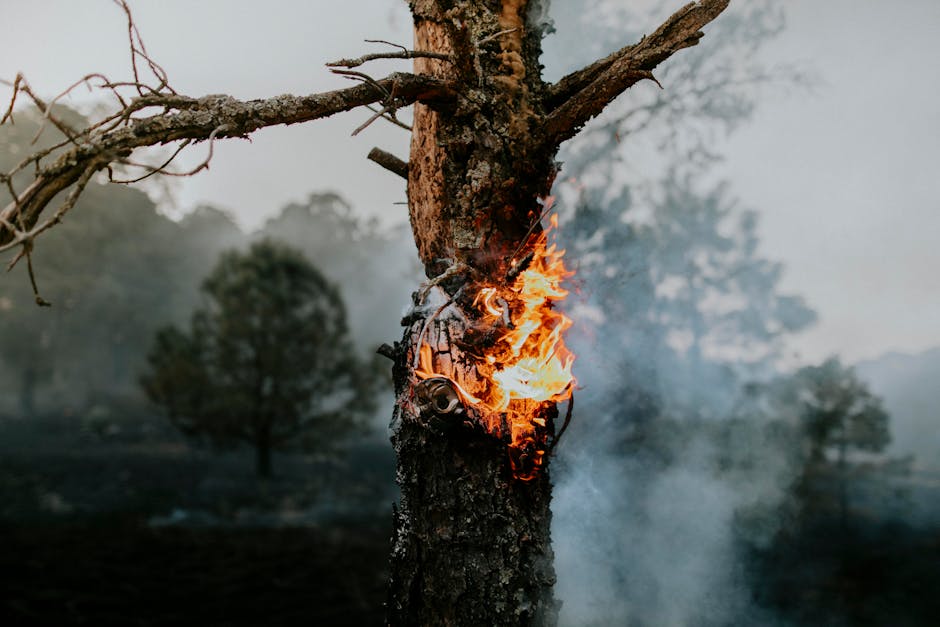
7. Wildfires Can Create Their Own Storm Systems

Extreme wildfires generate so much heat that they can create pyrocumulonimbus clouds, also known as fire thunderstorms. These massive cloud formations can reach heights of 50,000 feet and produce their own lightning, which can then spark additional fires miles away from the original blaze. The intense heat from large wildfires creates powerful updrafts that can generate winds of over 100 miles per hour, strong enough to uproot trees and hurl burning debris considerable distances. Some of these fire-generated storms have even produced fire tornadoes, swirling vortexes of flame and ash that can cause additional destruction. The 2003 Canberra firestorm in Australia produced such intense pyrocumulonimbus activity that it generated thousands of lightning strikes.

8. Avalanches Can Reach Highway Speeds in Seconds

Snow avalanches can accelerate from zero to 80 miles per hour in just five seconds, making them one of the fastest-moving natural disasters. Large powder avalanches can reach speeds of 200 miles per hour and create blast waves of compressed air ahead of them that can destroy forests and buildings before the snow even arrives. The force generated by a medium-sized avalanche moving at highway speed is equivalent to being hit by hundreds of cars simultaneously. Despite appearing to be just flowing snow, avalanches can generate impact pressures of 50 tons per square meter, enough force to snap mature trees, crush vehicles, and demolish buildings. The powder cloud that accompanies some avalanches can suffocate victims even if they're not directly hit by the dense snow mass.

9. Sinkholes Can Swallow Entire Buildings Instantly

Sinkholes form when underground water dissolves soluble bedrock like limestone, creating massive hidden cavities beneath the surface. When the roof of these cavities finally collapses, it can happen with terrifying suddenness, opening holes hundreds of feet deep in mere seconds. The largest known sinkhole, Xiaozhai Tiankeng in China, is 2,172 feet deep and 1,760 feet wide—large enough to contain several skyscrapers. In urban areas, sinkholes pose unique dangers because they can develop beneath roads, buildings, and infrastructure with little warning. Some sinkholes continue to grow after their initial collapse, while others can trigger chain reactions of additional collapses in surrounding areas where the bedrock has been similarly weakened.

10. Floods Are the Most Common Natural Disaster Worldwide

Despite the dramatic nature of earthquakes and hurricanes, floods account for more than 40% of all natural disasters globally and affect more people than any other type of catastrophic event. Flash floods, which can occur in mere minutes, are particularly deadly because they give people almost no time to evacuate. Water moving at just 6 miles per hour can knock adults off their feet, and two feet of rushing water can carry away most vehicles, including SUVs and pickup trucks. Floods can also persist for weeks or months, unlike other disasters that pass relatively quickly, leading to long-term displacement, disease outbreaks, and infrastructure damage. The economic and human costs of flooding continue to rise as climate patterns shift and more people settle in flood-prone areas.

Understanding Nature's Power

These remarkable facts about natural disasters reveal the extraordinary forces that shape our planet and challenge human resilience. From earthquakes that alter Earth's rotation to wildfires that generate their own weather systems, these events demonstrate nature's raw power and complexity. While natural disasters can cause tremendous destruction, understanding their mechanisms helps scientists develop better prediction methods, early warning systems, and safety protocols. As climate change continues to influence the frequency and intensity of many natural disasters, this knowledge becomes increasingly vital for communities worldwide. Respecting the power of these natural phenomena while advancing our scientific understanding remains essential for building a safer, more resilient future for all inhabitants of our dynamic planet.

Did You Know? 15 Amazing Facts About the Silk Road

Did You Know? 15 Amazing Facts About the Silk Road

⏱️ 7 min read

The Silk Road stands as one of the most remarkable achievements in human history, representing thousands of miles of interconnected trade routes that linked East and West for over 1,500 years. Far more than a simple commercial highway, this network of paths transformed civilizations, spread revolutionary ideas, and created cultural exchanges that shaped the modern world. From its establishment during the Han Dynasty to its eventual decline, the Silk Road facilitated the movement of goods, religions, technologies, and philosophies across vast distances. These fascinating facts reveal the extraordinary complexity and lasting impact of this ancient network.

Remarkable Facts About History's Greatest Trade Network

1. The Silk Road Was Never Actually a Single Road

Contrary to popular belief, the Silk Road wasn't one continuous path but rather a vast network of interconnected trade routes spanning over 4,000 miles. These routes crisscrossed through deserts, mountains, and steppes, connecting China with the Mediterranean world. Merchants rarely traveled the entire distance; instead, goods passed through numerous intermediaries, with each trader covering only a segment of the journey. This complex system included maritime routes across the Indian Ocean and overland paths through Central Asia, creating multiple alternatives for commerce.

2. Silk Wasn't the Only Valuable Commodity Traded

While silk gave the route its famous name, countless other goods traveled along these paths. Spices, precious metals, gemstones, glass, paper, gunpowder, ceramics, and textiles all moved between civilizations. From the West came gold, silver, wool, horses, and glassware. The East provided tea, rice, jade, bronze objects, and lacquer. This diverse exchange of materials fundamentally altered the economies and daily lives of people across three continents, introducing new luxuries and practical goods to distant markets.

3. Buddhism Spread Along the Trade Routes

The Silk Road served as the primary conduit for Buddhism's expansion from India into Central Asia, China, Korea, and eventually Japan. Buddhist monks traveled alongside merchants, establishing monasteries along the route that served as rest stops and cultural centers. Cave temples carved into cliffsides, such as those at Dunhuang in China, contained thousands of Buddhist manuscripts and artwork. This religious transmission fundamentally transformed East Asian spirituality and culture, demonstrating that the Silk Road carried ideas as valuable as any physical commodity.

4. Paper and Printing Technology Traveled Westward

Chinese innovations in papermaking and printing gradually spread westward along the Silk Road, reaching the Islamic world by the 8th century and Europe by the 12th century. This transfer of knowledge revolutionized communication, education, and record-keeping across continents. The Battle of Talas in 751 CE proved particularly significant, as captured Chinese papermakers shared their techniques with their Arab captors, accelerating paper's spread throughout the Middle East and eventually into Europe.

5. The Black Death May Have Traveled the Silk Road

The devastating bubonic plague that swept through Europe in the 14th century likely traveled along Silk Road trade routes from Central Asia. The same networks that brought prosperity and cultural exchange also facilitated the rapid spread of disease. Fleas carried by rats aboard merchant caravans and ships transmitted the plague across vast distances, demonstrating the double-edged nature of increased global connectivity. This pandemic killed an estimated 75-200 million people across Eurasia.

6. Caravanserais Provided Essential Infrastructure

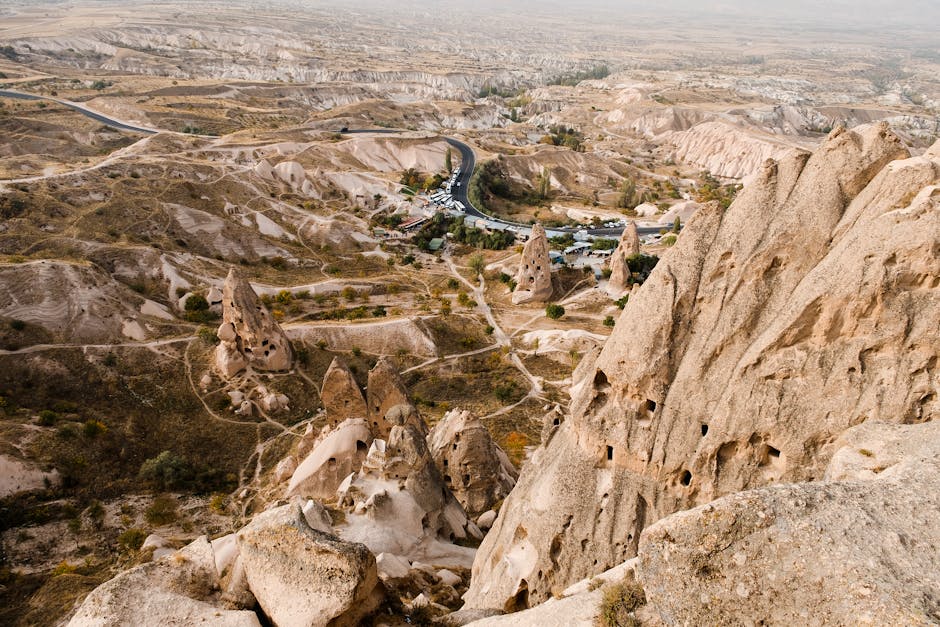
Along the Silk Road, caravanserais (roadside inns) were built approximately every 20-30 miles, providing shelter, food, and security for traveling merchants and their animals. These fortified structures featured courtyards, stables, sleeping quarters, and storage facilities. They served as crucial social and commercial hubs where traders exchanged information about routes, prices, and political conditions. Many of these architectural marvels still stand today throughout Turkey, Iran, and Central Asia.

7. Musical Instruments Crossed Continents

The Silk Road facilitated extraordinary musical exchanges between civilizations. Instruments like the lute traveled from Persia to China, where it evolved into the pipa. The oboe's ancestors moved from the Middle East to Asia and Europe. This cross-pollination of musical traditions created new forms of artistic expression and entertainment. Chinese musical notations influenced Central Asian compositions, while Persian melodies found new audiences in Chinese imperial courts.

8. The Routes Changed Based on Political Circumstances

The exact paths of Silk Road trade routes constantly shifted based on political stability, warfare, and diplomatic relationships. When one region became dangerous due to conflict or hostile rulers, merchants would find alternative routes through safer territories. The rise and fall of empires directly impacted trade flows, with powerful dynasties like the Mongol Empire sometimes facilitating commerce through the Pax Mongolica, while other periods saw fragmentation and increased dangers for travelers.

9. Marco Polo's Journey Wasn't Unique

While Marco Polo's travels became famous in the West, thousands of merchants, diplomats, missionaries, and adventurers journeyed along the Silk Road throughout its history. Chinese Buddhist monk Xuanzang traveled to India in the 7th century and returned with Buddhist scriptures. Ibn Battuta, the Moroccan explorer, traversed portions of the route in the 14th century. Countless unnamed traders made the journey, though their stories weren't recorded with the same detail.

10. Silk Production Remained a Chinese Secret for Centuries

China guarded the secrets of sericulture (silk production) zealously for nearly three millennia, maintaining a lucrative monopoly. Revealing silk-making techniques was punishable by death. However, around 550 CE, two Nestorian monks allegedly smuggled silkworm eggs out of China by hiding them in hollow bamboo walking sticks, bringing them to the Byzantine Empire. This transfer of knowledge eventually broke China's monopoly, though Chinese silk remained highly prized for its superior quality.

11. The Silk Road Connected Four Major Civilizations

At its height, the Silk Road linked the Roman Empire, the Persian Empire, the Indian subcontinent, and the Chinese Empire—four of the world's most advanced civilizations. This connection allowed for unprecedented cultural dialogue, philosophical exchange, and technological sharing. Diplomatic missions traveled alongside commercial caravans, and royal courts maintained awareness of distant empires through the intelligence gathered along these routes.

12. Gunpowder Technology Spread Through These Routes

Chinese alchemists invented gunpowder during the Tang Dynasty, and knowledge of this explosive compound gradually traveled westward along the Silk Road. By the 13th century, Islamic armies utilized gunpowder weapons, and by the 14th century, European forces had adopted the technology. This transfer fundamentally transformed warfare globally, ending the dominance of castle fortifications and armored knights while ushering in the age of firearms and artillery.

13. Languages and Writing Systems Were Exchanged

The Silk Road served as a conduit for linguistic exchange, with traders developing pidgin languages to facilitate communication. The Sogdian language became a lingua franca for commerce across Central Asia. Writing systems spread along these routes, with alphabetic scripts moving eastward while Chinese characters influenced neighboring cultures. Multilingual inscriptions on monuments and coins reveal the polyglot nature of Silk Road societies.

14. The Mongol Empire Revitalized Trade

Under Mongol rule in the 13th and 14th centuries, the Silk Road experienced a golden age of security and prosperity. The Mongols established the Yam system, a sophisticated network of relay stations that ensured rapid communication across their vast empire. They protected merchants, standardized weights and measures, and reduced taxation on trade goods. This Pax Mongolica made long-distance travel safer than it had been in centuries, though it also facilitated disease transmission.

15. Maritime Routes Eventually Superseded Overland Paths

By the 15th century, maritime trade routes began to overshadow the traditional overland Silk Road. The development of better ships and navigation techniques made sea transport more efficient and less expensive than caravan trade. The Age of Exploration led European powers to establish direct maritime connections with Asia, bypassing the Central Asian intermediaries. The fall of Constantinople in 1453 and the subsequent Ottoman control of traditional trade routes further motivated Europeans to seek alternative sea passages, ultimately leading to the Silk Road's decline.

The Enduring Legacy of Ancient Commerce

These fifteen facts only scratch the surface of the Silk Road's profound impact on world history. This ancient network of trade routes facilitated not just commerce but the greatest exchange of ideas, technologies, religions, and cultures the pre-modern world had ever seen. From the spread of Buddhism and Islam to the transmission of papermaking and gunpowder, from musical instruments to mathematical concepts, the Silk Road shaped civilizations in ways that continue to resonate today. Modern initiatives like China's Belt and Road Initiative explicitly reference this historical network, recognizing its symbolic importance as a connector of peoples and cultures. Understanding the Silk Road helps us appreciate how interconnected human societies have been for millennia and how the exchange of goods and ideas across cultures drives progress and innovation.