
⏱️ 6 min read
Ancient Egypt stands as one of history’s most fascinating civilizations, captivating modern imagination with its towering pyramids, mysterious hieroglyphics, and elaborate burial rituals. Beyond the well-known monuments and pharaohs, Egyptian culture was rich with surprising customs, innovative practices, and peculiar beliefs that reveal a society far more complex and intriguing than many realize. From their approach to personal hygiene to their unexpected dietary habits, the ancient Egyptians developed a sophisticated culture that influenced countless aspects of daily life.
Fascinating Insights into Daily Egyptian Life
1. Ancient Egyptians Invented the World’s First Toothpaste
Personal hygiene was surprisingly important to ancient Egyptians, who created the earliest known form of toothpaste around 5000 BCE. This dental paste consisted of crushed rock salt, mint, dried iris flowers, and pepper mixed together. While the abrasive ingredients were effective at cleaning teeth, they were so harsh that they often wore down tooth enamel. Egyptians also used toothpicks and primitive toothbrushes made from frayed twigs. Their dedication to oral hygiene extended to creating breath mints from frankincense and myrrh, demonstrating that fresh breath was valued even in ancient times.
2. Both Men and Women Wore Elaborate Makeup
Cosmetics in ancient Egypt transcended vanity and served practical and spiritual purposes. Both genders applied thick black and green eye makeup made from ground minerals like malachite and galena. This wasn’t merely decorative—Egyptians believed the makeup provided magical protection against the evil eye and helped prevent eye infections. Modern science has confirmed that the lead-based compounds in their makeup actually stimulated the immune system to fight bacterial eye infections. Egyptians also used red ochre for lip color and cheek stains, and henna to color their nails and hair, making them pioneers of the cosmetics industry.
3. Cats Were Considered Sacred Animals
The ancient Egyptian reverence for cats went far beyond simple pet ownership. Cats were associated with the goddess Bastet and were believed to bring good fortune to households. Families who could afford it mummified their deceased cats and mourned them by shaving off their eyebrows. Killing a cat, even accidentally, could result in the death penalty. When a house cat died, family members would go into formal mourning. Archaeological excavations have uncovered entire cat cemeteries containing thousands of mummified felines, demonstrating the extraordinary status these animals held in Egyptian society.
4. Children Went Naked Until Adolescence
Due to Egypt’s hot climate, children typically wore no clothing until they reached puberty, usually around age twelve. Both boys and girls remained unclothed or wore only jewelry and amulets for protection. This practice was so normalized that artwork and hieroglyphics depicting children rarely show them wearing any garments. The distinctive “side-lock of youth,” a special braided hairstyle worn on one side of otherwise shaved heads, served as the primary identifier of childhood. Once children reached adolescence, they participated in coming-of-age ceremonies and began wearing the traditional linen garments of adults.
5. Workers Were Paid in Beer and Bread
Ancient Egypt operated largely on a barter economy, and the workers who built the pyramids weren’t slaves but paid laborers who received compensation in the form of food and drink. A typical worker’s daily wage consisted of ten loaves of bread and one to two jugs of beer. Beer was a dietary staple, consumed daily by people of all ages and social classes because it was safer than water and provided important calories and nutrients. The beer was thick, nutritious, and relatively low in alcohol content. These rations ensured that laborers remained well-fed and hydrated during their demanding physical work.
6. Egyptians Pioneered Early Forms of Antibiotics
Thousands of years before modern medicine discovered antibiotics, ancient Egyptian physicians used moldy bread to treat infections. They would apply moldy bread poultices directly to wounds, unknowingly harnessing the antibacterial properties of the penicillium mold. Egyptian medical texts also describe using honey and grease as antibacterial agents for wound treatment, practices that modern medicine has validated. Their medical papyri documented hundreds of remedies and surgical procedures, revealing a sophisticated understanding of anatomy and disease treatment that was remarkably advanced for its time.
7. Pharaohs Never Let Their Hair Be Seen
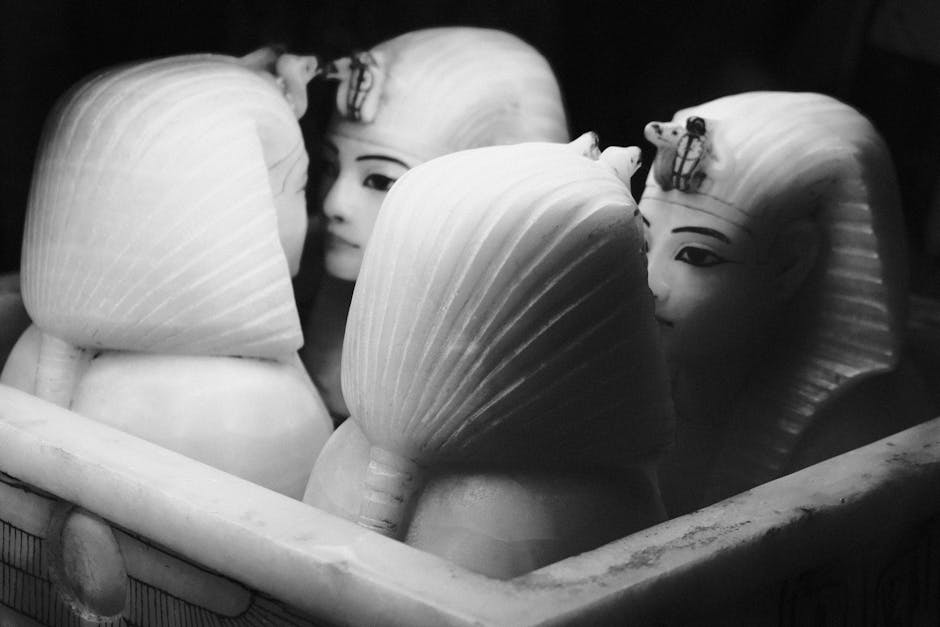
Egyptian pharaohs, both male and female, wore elaborate headdresses called nemes to completely cover their hair as a symbol of their divine status. Many pharaohs actually shaved their heads completely and wore ornate wigs made from human hair, sheep’s wool, or plant fibers for formal occasions. These wigs were often styled with beeswax and resin, and the most expensive versions were adorned with gold dust. The iconic striped nemes headdress, famously worn by King Tutankhamun’s death mask, represented the pharaoh’s connection to the gods and their role as intermediaries between the divine and mortal realms.
8. Board Games Were a Popular Pastime
Ancient Egyptians enjoyed various board games, with Senet being the most popular across all social classes. This game, which dates back to 3100 BCE, was found in the tomb of Tutankhamun and many other burial sites. Senet wasn’t merely entertainment—it held religious significance and was believed to represent the journey of the soul through the afterlife. Another popular game was Mehen, played on a spiral-shaped board representing a coiled snake. Archaeological evidence shows that both wealthy and poor Egyptians played these games, with boards ranging from elaborate inlaid versions to simple grids scratched into stone.
9. Marriage Contracts Protected Women’s Rights
Ancient Egyptian women enjoyed remarkably progressive legal rights compared to other ancient civilizations. Marriage contracts clearly outlined property rights, and women could own land, conduct business, and initiate divorce. If a marriage ended, women were entitled to financial compensation and could retain property they brought into the marriage. Women could also serve as witnesses in court, execute wills, and even become pharaohs. This legal equality extended to inheritance laws, where daughters could inherit equally with sons, making ancient Egypt one of the most gender-equitable societies of the ancient world.
10. Egyptians Used Prosthetic Body Parts
Archaeological discoveries have revealed that ancient Egyptians created functional prosthetic devices, including artificial toes, feet, and eyes. The earliest known prosthetic, a wooden toe attached to a female mummy, dates to between 950 and 710 BCE and shows signs of wear, indicating it was used during the person’s lifetime rather than being purely decorative for burial. Researchers have tested replicas and confirmed these prosthetics were functional and would have helped with balance and walking. Egyptian physicians also created dental bridges using gold wire to replace missing teeth, demonstrating remarkable ingenuity in medical technology.
The Enduring Legacy of Egyptian Innovation
These ten fascinating aspects of ancient Egyptian culture reveal a civilization that was far more sophisticated, innovative, and progressive than many people realize. From their advanced medical practices to their surprisingly modern attitudes toward gender equality, the Egyptians developed solutions to daily challenges that resonate even today. Their contributions to dentistry, cosmetics, medicine, and social organization laid foundations that influenced subsequent civilizations throughout the Mediterranean and beyond. Understanding these lesser-known facts about Egyptian daily life provides a more complete picture of a society that thrived for over three thousand years, leaving an indelible mark on human history that continues to captivate and inspire modern scholars and enthusiasts alike.
