
⏱️ 7 min read
The Paralympic Games stand as one of the world’s most inspiring sporting events, showcasing the incredible abilities of athletes with physical, visual, and intellectual impairments. While many people are familiar with the basic concept of the Paralympics, there’s a wealth of fascinating history, surprising achievements, and remarkable stories that often go untold. These extraordinary competitions have evolved from a small gathering of war veterans to a global phenomenon that captivates billions of viewers worldwide.
The Origins Rooted in Post-War Medical Treatment
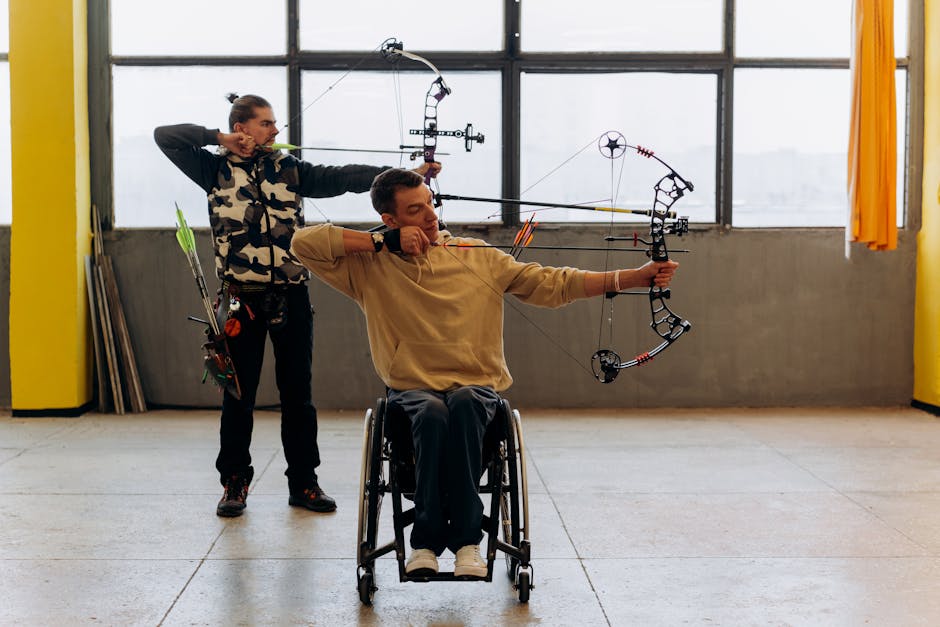
The Paralympic Games didn’t begin as a sporting event but as a form of medical rehabilitation. In 1948, Sir Ludwig Guttmann, a neurologist at Stoke Mandeville Hospital in England, organized a sports competition for World War II veterans with spinal cord injuries. The event coincided with the opening ceremony of the London Olympic Games and featured 16 injured servicemen and women competing in archery. Guttmann envisioned sports as a therapeutic tool to help patients regain strength, confidence, and purpose. This revolutionary approach transformed rehabilitation medicine and laid the foundation for what would become the Paralympic movement. Four years later, Dutch veterans joined the competition, making it the first international event of its kind.
The Name “Paralympic” Has Dual Meaning
Many people assume “Paralympic” simply means “parallel to the Olympics,” but the name actually carries a double meaning. Originally, the term derived from “paraplegic” and “Olympic,” reflecting the Games’ origins with spinally injured athletes. However, as the event expanded to include athletes with various types of impairments, the International Paralympic Committee officially adopted the interpretation of “para” from the Greek prefix meaning “beside” or “alongside.” This evolution in meaning reflects the Games’ growth from a specific medical rehabilitation program to a comprehensive athletic competition that stands alongside the Olympic Games as an equally important showcase of human achievement and sporting excellence.
Paralympic Athletes Compete in a Classification System
Unlike the Olympics, where athletes are grouped primarily by gender and event, the Paralympics employ a sophisticated classification system to ensure fair competition. Athletes are categorized based on the degree and type of their impairment and how it affects their ability to perform in a specific sport. Classifications include physical impairments, visual impairments, and intellectual impairments, with further subdivisions within each category. For example, in swimming, classifications range from S1 (most severe impairment) to S10 (least severe physical impairment), with additional categories for visual and intellectual impairments. This system allows athletes with different disabilities to compete fairly against one another, ensuring that success is determined by training, skill, and dedication rather than the degree of impairment.
The First Official Paralympic Games Were Held in Rome
While the Stoke Mandeville Games began in 1948, the first official Paralympic Games took place in Rome, Italy, in 1960. These Games followed immediately after the Rome Olympics and featured 400 athletes from 23 countries competing in eight sports. The Italian government provided the same facilities used for the Olympic Games, setting a precedent for future Paralympics. This marked a crucial turning point in legitimizing disability sports on an international scale. The Rome Paralympics demonstrated that athletes with disabilities deserved the same recognition, facilities, and organizational support as their Olympic counterparts, fundamentally changing global perceptions about disability and athletic achievement.
Winter Paralympics Didn’t Start Until 1976
While the Summer Paralympic Games began in 1960, athletes had to wait 16 more years for the first Winter Paralympics. Held in Örnsköldsvik, Sweden, in 1976, the inaugural Winter Games featured 198 athletes from 16 countries competing in alpine skiing and cross-country skiing. The addition of Winter Paralympics recognized that athletes with disabilities excelled in cold-weather sports just as impressively as in summer competitions. Since then, the Winter Paralympics have grown to include events such as ice sledge hockey, wheelchair curling, snowboarding, and biathlon, providing opportunities for athletes to compete at the highest level regardless of the season.
Paralympic Records Sometimes Surpass Olympic Ones
In a testament to the extraordinary abilities of Paralympic athletes, some Paralympic records have actually exceeded Olympic records in the same events. Particularly in events where athletes use prosthetic devices or specialized equipment, the biomechanics can sometimes provide advantages that push human performance to new limits. For instance, certain Paralympic sprint times and long jump distances have approached or matched those of Olympic athletes. This remarkable phenomenon challenges traditional notions about disability and demonstrates that with determination, training, and technological innovation, Paralympic athletes can achieve performances that rival any in the sporting world. These achievements spark important conversations about the nature of competition, fairness, and the incredible potential of the human body and spirit.
The Paralympics Are the World’s Third-Largest Sporting Event
The Paralympic Games rank as the third-largest sporting event globally, following only the FIFA World Cup and the Olympic Games. The scale of the Paralympics has grown exponentially since its inception, with the Tokyo 2020 Paralympics featuring approximately 4,400 athletes from 162 countries competing across 22 sports and 539 events. Television viewership reaches billions worldwide, and ticket sales for Paralympic events often rival or exceed those of other major sporting competitions. This immense popularity reflects a global shift in attitudes toward disability and an increasing appreciation for the remarkable athletic achievements on display. The Paralympics have become a powerful platform for promoting inclusion, changing perceptions, and celebrating diversity in sports and society at large.
Athletes With Intellectual Impairments Were Temporarily Banned
Following a cheating scandal at the Sydney 2000 Paralympics, athletes with intellectual impairments were excluded from competition for over a decade. The Spanish basketball team that won gold in the ID (intellectually disabled) category was found to have included several players without disabilities. This incident led to the suspension of all events for athletes with intellectual impairments, affecting thousands of honest athletes worldwide. After implementing more rigorous and scientifically sound classification procedures, these athletes were gradually reintroduced, starting with track and field, swimming, and table tennis at the London 2012 Games. The scandal and subsequent reforms highlighted the importance of robust classification systems and demonstrated the Paralympic movement’s commitment to integrity and fair competition.
Paralympic Technology Advances Benefit Society
Innovations developed for Paralympic sports have led to significant advances in prosthetics, wheelchairs, and assistive technologies that benefit people with disabilities worldwide. The high-performance carbon fiber running blades used by Paralympic sprinters, advanced wheelchair designs for basketball and rugby, and sophisticated prosthetic limbs have all emerged from or been refined through Paralympic competition. These technological developments often translate into improved mobility devices for everyday use, enhancing quality of life for millions of people with disabilities. Additionally, Paralympic sports have driven research in sports science, biomechanics, and rehabilitation medicine, contributing to broader medical and scientific knowledge that extends far beyond the athletic arena.
Paralympic Symbols Celebrate Human Diversity
The Paralympic symbol consists of three “agitos” (Latin for “I move”), colored red, blue, and green—the three colors most widely represented in national flags worldwide. These asymmetrical crescents encircle a central point, symbolizing motion and emphasizing the role of the Paralympic movement in bringing athletes from all corners of the world together. The motto “Spirit in Motion” captures the dynamic nature of Paralympic athletes and the transformative power of sport. Unlike the Olympic rings, which represent the union of five continents, the Paralympic agitos emphasize movement, courage, and the universal human spirit that transcends physical differences. This symbolism reinforces the Paralympics’ mission to create a more inclusive world through sport and to challenge perceptions about what people with disabilities can achieve.
Conclusion
The Paralympic Games represent far more than an athletic competition for people with disabilities. From their humble origins as a rehabilitation program for injured war veterans to their current status as a global phenomenon attracting billions of viewers, the Paralympics have transformed societal attitudes toward disability and human potential. These ten fascinating facts only scratch the surface of the rich history, remarkable achievements, and ongoing evolution of the Paralympic movement. The Games continue to push boundaries in sports technology, challenge our understanding of human capabilities, and inspire people worldwide to overcome obstacles in pursuit of their dreams. As the Paralympics continue to grow in scope, viewership, and cultural impact, they serve as a powerful reminder that athletic excellence knows no limits and that the human spirit, determination, and courage can overcome any barrier.
