









1 / 10 Questions
0 Points

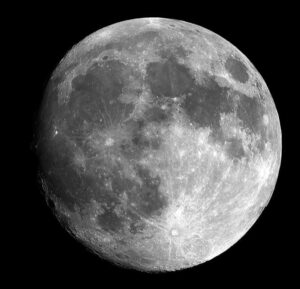
Which Apollo 11 problem almost prevented the first Moon landing?

Computer alarms during descent

Radio failure

Engine malfunction

Fuel leak

Points won
0
Correct score
0%

More questions

More Articles

Top 10 Most Influential Kings and Queens in History

Top 10 Most Influential Kings and Queens in History

⏱️ 6 min read

Throughout history, monarchs have shaped the course of civilizations, influenced cultural development, and altered the political landscape of entire continents. From ancient empires to modern constitutional monarchies, certain rulers have left indelible marks on human history through their military conquests, administrative reforms, cultural patronage, and visionary leadership. These exceptional sovereigns transcended their roles as mere hereditary figureheads to become transformative leaders whose legacies continue to resonate centuries after their reigns ended.

Royal Figures Who Changed the World

1. Hammurabi of Babylon: The First Lawgiver

Reigning from 1792 to 1750 BCE, Hammurabi transformed ancient Mesopotamia through his revolutionary legal code. The Code of Hammurabi, inscribed on a stone stele, contained 282 laws covering everything from property rights to family relations. This groundbreaking legal framework established the principle that rulers must govern according to established law rather than arbitrary decree. Hammurabi's code influenced legal systems throughout the ancient world and established precedents for justice that persist in modern jurisprudence, including the presumption of innocence and the right to present evidence.

2. Cleopatra VII: Egypt's Last Pharaoh and Political Mastermind

Cleopatra VII ruled Egypt from 51 to 30 BCE, demonstrating exceptional political acumen during one of history's most turbulent periods. Fluent in nine languages and highly educated in mathematics, philosophy, and astronomy, she was far more than the romantic figure often portrayed in popular culture. Cleopatra forged strategic alliances with Julius Caesar and Mark Antony, temporarily preserving Egyptian independence against Roman expansion. Her reign represented the culmination of Ptolemaic Egypt's Hellenistic culture, and she remains one of history's most recognizable female rulers, symbolizing women's potential for political power in male-dominated societies.

3. Ashoka the Great: From Conqueror to Champion of Peace

The Mauryan Emperor Ashoka ruled most of the Indian subcontinent from 268 to 232 BCE. After witnessing the devastating carnage of the Kalinga War, which claimed over 100,000 lives, Ashoka experienced a profound transformation. He converted to Buddhism and renounced military conquest, instead promoting dharma (righteous conduct), religious tolerance, and social welfare. Ashoka established hospitals, built roads, planted trees, and erected pillars inscribed with edicts promoting ethical governance. His transformation from ruthless conqueror to benevolent ruler influenced Buddhist philosophy and established early precedents for humanitarian governance.

4. Charlemagne: Architect of Medieval Europe

Crowned Holy Roman Emperor in 800 CE, Charlemagne united much of Western Europe for the first time since the Roman Empire's fall. His reign marked the Carolingian Renaissance, a period of cultural and intellectual revival that preserved classical learning through monastery scriptoria. Charlemagne standardized laws, promoted education, established a common currency, and created administrative structures that influenced European governance for centuries. His coronation by Pope Leo III established the precedent of papal authority to crown emperors, fundamentally shaping the relationship between church and state in medieval Europe.

5. Queen Elizabeth I: England's Golden Age

Elizabeth I's reign from 1558 to 1603 transformed England into a major European power and cultural center. Navigating the religious conflicts between Catholics and Protestants with pragmatic tolerance, she established the Elizabethan Religious Settlement that reduced sectarian violence. Her defeat of the Spanish Armada in 1588 secured England's independence and established its naval supremacy. Elizabeth's court fostered the English Renaissance, nurturing talents like William Shakespeare and Christopher Marlowe. As an unmarried female ruler who wielded power effectively for 45 years, she challenged contemporary gender expectations and demonstrated women's capacity for effective governance.

6. Suleiman the Magnificent: Architect of Ottoman Glory

Ruling the Ottoman Empire from 1520 to 1566, Suleiman presided over its golden age. He expanded Ottoman territory across three continents, reformed legal codes to harmonize secular and religious law, and patronized magnificent architectural projects, including the Süleymaniye Mosque. Known as "the Lawgiver" in Ottoman territories, Suleiman created legal frameworks that balanced Islamic law with practical governance needs. His reign represented the pinnacle of Ottoman military, administrative, and cultural achievement, establishing systems that sustained the empire for centuries and influencing Islamic jurisprudence throughout Muslim lands.

7. Catherine the Great: Enlightenment on the Russian Throne

Catherine II ruled Russia from 1762 to 1796, transforming it into a recognized European power. Despite being a German princess with no legitimate claim to the Russian throne, she seized power through a coup and proved to be one of Russia's most capable rulers. Catherine corresponded with Enlightenment philosophers like Voltaire and Diderot, founded educational institutions, expanded Russian territory significantly, and attempted legal reforms based on Enlightenment principles. She promoted Russian culture and arts, established the Hermitage Museum, and championed vaccination programs, demonstrating how monarchs could implement progressive ideas while maintaining absolute power.

8. Akbar the Great: Religious Tolerance in Mughal India

Emperor Akbar ruled the Mughal Empire from 1556 to 1605, establishing unprecedented religious tolerance in a diverse subcontinent. Despite being Muslim, Akbar abolished the jizya tax on non-Muslims, married Hindu princesses, employed Hindus in high government positions, and engaged in philosophical discussions with religious scholars from multiple faiths. He created the Din-i Ilahi, a syncretic faith attempting to merge elements of various religions. Akbar's administrative reforms, including standardized weights and measures and efficient tax collection systems, created stability that enabled cultural flourishing and economic prosperity throughout his empire.

9. Queen Victoria: Symbol of an Empire

Victoria's 63-year reign from 1837 to 1901 defined an era. The Victorian Age witnessed unprecedented industrial, technological, scientific, and cultural change. Though her constitutional role limited direct political power, Victoria's moral authority and symbolic importance were immense. The British Empire reached its greatest extent during her reign, covering nearly a quarter of Earth's land surface. Victoria's embrace of new technologies like photography and her emphasis on family values shaped British society. Her numerous descendants on European thrones earned her the nickname "grandmother of Europe," creating dynastic connections that influenced European politics into the twentieth century.

10. Louis XIV: The Epitome of Absolute Monarchy

Louis XIV of France, the "Sun King," reigned for 72 years from 1643 to 1715, the longest reign of any European monarch. He perfected absolute monarchy, centralizing power and famously declaring "L'état, c'est moi" (I am the state). Louis transformed Versailles into an opulent palace that became the model for royal residences across Europe. His patronage of arts and sciences made France the cultural center of Europe. However, his expensive wars, religious persecution of Huguenots, and lavish spending also created problems that would eventually contribute to the French Revolution. Louis XIV established the template for absolute monarchy that other European rulers attempted to emulate.

Enduring Royal Legacies

These ten monarchs fundamentally shaped human civilization through their military conquests, legal innovations, cultural patronage, and administrative reforms. From Hammurabi's legal code to Victoria's imperial influence, each demonstrated how individual rulers could redirect historical currents. Their legacies persist in modern legal systems, national boundaries, religious practices, and cultural traditions. While monarchy has diminished as a governing system, these historical figures remind us how leadership, vision, and power—whether used wisely or poorly—can transform societies and echo through millennia. Understanding their achievements and failures provides valuable insights into governance, cultural development, and the complex relationship between authority and progress that continues to shape our contemporary world.

Did You Know? 10 Interesting Facts About Forests

Did You Know? 10 Interesting Facts About Forests

⏱️ 8 min read

Forests cover approximately 31% of the Earth's land surface and represent some of the most biodiverse and essential ecosystems on our planet. These magnificent natural wonders do far more than provide scenic beauty—they are intricate systems that sustain life, regulate climate, and harbor countless secrets that continue to fascinate scientists and nature enthusiasts alike. From their role in producing the air we breathe to their surprising ability to communicate underground, forests are far more complex and vital than most people realize.

Fascinating Insights Into Our Planet's Forests

1. Forests Are the Planet's Lungs and Air Purifiers

Forests play a crucial role in maintaining the Earth's atmospheric balance by absorbing carbon dioxide and releasing oxygen through photosynthesis. A single large tree can produce enough oxygen for two people for an entire year. Tropical rainforests alone are responsible for producing approximately 20% of the world's oxygen supply, earning them the nickname "the lungs of the Earth." Beyond oxygen production, forests also filter pollutants from the air, trapping dust, ash, pollen, and smoke on their leaves and bark. This natural air purification system is particularly vital in urban areas where tree cover can significantly reduce air pollution levels and improve public health outcomes.

2. The Underground Wood Wide Web Connects Trees

Beneath the forest floor exists an extraordinary network of fungal threads called mycorrhizae that connect trees and plants in what scientists call the "wood wide web." This underground internet allows trees to communicate, share nutrients, and even warn each other about threats like insect attacks or disease. Mother trees, typically the largest and oldest in the forest, use these fungal networks to nurture younger saplings by supplying them with nutrients and carbon. Research has shown that trees can recognize their own offspring and preferentially send them resources. This remarkable interconnected system demonstrates that forests function more like superorganisms than collections of individual plants.

3. Forests House Over 80% of Terrestrial Biodiversity

Despite covering less than one-third of the Earth's land area, forests are home to an astounding array of life forms. Scientists estimate that forests harbor more than 80% of all terrestrial species of animals, plants, and insects. A single rainforest tree in the Amazon can support over 1,000 different species of insects. This incredible biodiversity includes millions of species that have yet to be discovered or studied. The complex vertical structure of forests, from the forest floor to the canopy, creates numerous ecological niches that support specialized species found nowhere else on Earth. This biodiversity is not just impressive—it's essential for ecosystem resilience and provides invaluable genetic resources for medicine, agriculture, and biotechnology.

4. Ancient Forests Store More Carbon Than Any Other Land Ecosystem

Forests serve as the world's most effective carbon storage system, containing more carbon than the entire atmosphere. Old-growth forests are particularly important, storing vast amounts of carbon in their trees, soil, and undergrowth accumulated over centuries. A single hectare of mature forest can store the equivalent of 30 to 40 years' worth of carbon emissions from an average car. When forests are destroyed or degraded, this stored carbon is released back into the atmosphere, contributing significantly to climate change. Tropical forests alone store approximately 229 gigatonnes of carbon, making their preservation critical in the fight against global warming. Protecting existing forests is often more effective at combating climate change than planting new ones, as mature forests continue to sequester carbon while maintaining these massive existing stores.

5. Trees Can Live for Thousands of Years

While the average tree lives for several decades to a few hundred years, some species achieve remarkable longevity. The oldest known individual tree is a Great Basin bristlecone pine named Methuselah, located in California's White Mountains, which is over 4,800 years old. Even more impressive is a Norwegian spruce in Sweden with a root system that has been growing for approximately 9,550 years, making it one of the oldest living organisms on Earth. These ancient trees serve as living witnesses to human history, having survived countless environmental changes, climate shifts, and historical events. Their growth rings provide scientists with invaluable data about past climates, atmospheric conditions, and environmental changes spanning millennia.

6. Forests Regulate Water Cycles and Prevent Flooding

Forests play an indispensable role in managing the planet's water systems. Tree roots act like natural sponges, absorbing rainfall and preventing rapid runoff that causes flooding and erosion. A mature tree can absorb up to 100 gallons of water per day, slowly releasing it back into the atmosphere through transpiration. This process creates local rainfall patterns and maintains regional humidity levels. Forests also filter and purify water as it moves through soil and vegetation, naturally removing pollutants and sediments. In mountainous regions, forests help regulate snowmelt, ensuring steady water flow to rivers and streams throughout the year. Approximately 75% of the world's freshwater comes from forested watersheds, making forest conservation critical for water security.

7. Forest Sounds Actually Promote Human Health and Well-Being

Scientific research has confirmed what many people intuitively understand: spending time in forests has measurable health benefits. The Japanese practice of "forest bathing" or shinrin-yoku has been shown to reduce stress hormones, lower blood pressure, boost immune system function, and improve mood and concentration. The unique acoustic environment of forests, with natural sounds like rustling leaves, bird calls, and flowing water, reduces mental fatigue and promotes relaxation. Phytoncides, antimicrobial compounds released by trees, have been found to increase natural killer cell activity in humans, enhancing immune function. Studies indicate that people living near forested areas have lower rates of cardiovascular disease, respiratory problems, and mental health issues compared to those in areas with minimal tree cover.

8. Mangrove Forests Protect Coastlines From Catastrophic Damage

Mangrove forests, which grow in coastal intertidal zones in tropical and subtropical regions, provide exceptional protection against natural disasters. These unique forests can reduce wave heights by up to 66% over just 100 meters of mangrove width, protecting coastal communities from storm surges, tsunamis, and erosion. During the 2004 Indian Ocean tsunami, areas with intact mangrove forests experienced significantly less damage and fewer casualties than areas where mangroves had been removed. Beyond storm protection, mangroves support incredibly productive ecosystems, serving as nurseries for numerous fish species and supporting complex food webs. They also sequester carbon at rates up to four times higher than terrestrial forests, making them critical allies in climate change mitigation.

9. Forests Generate Their Own Rain Through Transpiration

Large forest systems, particularly tropical rainforests, create their own weather patterns through a phenomenon called evapotranspiration. Trees release water vapor through their leaves, which rises and forms clouds that produce rainfall. The Amazon rainforest generates approximately 50% of its own precipitation through this process. When large sections of forest are removed, regional rainfall patterns can be significantly disrupted, leading to drought conditions even in areas that previously received abundant rain. This self-sustaining water cycle demonstrates how forests maintain not just local climates but influence weather patterns across entire continents. Scientists have observed that air masses passing over dense forests gain more moisture than those passing over cleared land, affecting rainfall hundreds or even thousands of miles away.

10. The World Loses Forest Area Equivalent to 27 Soccer Fields Every Minute

Despite their immense value, forests continue to disappear at an alarming rate. Current estimates indicate that approximately 10 million hectares of forest are lost annually—an area roughly the size of Iceland. This deforestation occurs primarily due to agricultural expansion, logging, infrastructure development, and urbanization. The loss is particularly severe in tropical regions, where forests are cleared for cattle ranching and palm oil plantations. However, there is hope: global deforestation rates have slowed compared to previous decades, and numerous reforestation initiatives are underway worldwide. Some countries have successfully reversed deforestation trends through policy changes, protected area expansion, and sustainable forest management practices. Understanding the rate of forest loss helps emphasize the urgency of conservation efforts and sustainable land use practices.

Conclusion

Forests represent far more than collections of trees—they are complex, interconnected ecosystems that sustain life on Earth in countless ways. From purifying our air and water to regulating climate, supporting biodiversity, and protecting human health, forests provide services that are impossible to replicate artificially. The fascinating facts about forest communication networks, ancient trees, and self-generated weather patterns reveal just how sophisticated and vital these ecosystems truly are. As deforestation continues to threaten these irreplaceable natural treasures, understanding and appreciating the remarkable characteristics of forests becomes increasingly important. Protecting existing forests while restoring degraded areas is not just an environmental priority—it's essential for the continued health and prosperity of all life on our planet.