
⏱️ 6 min read
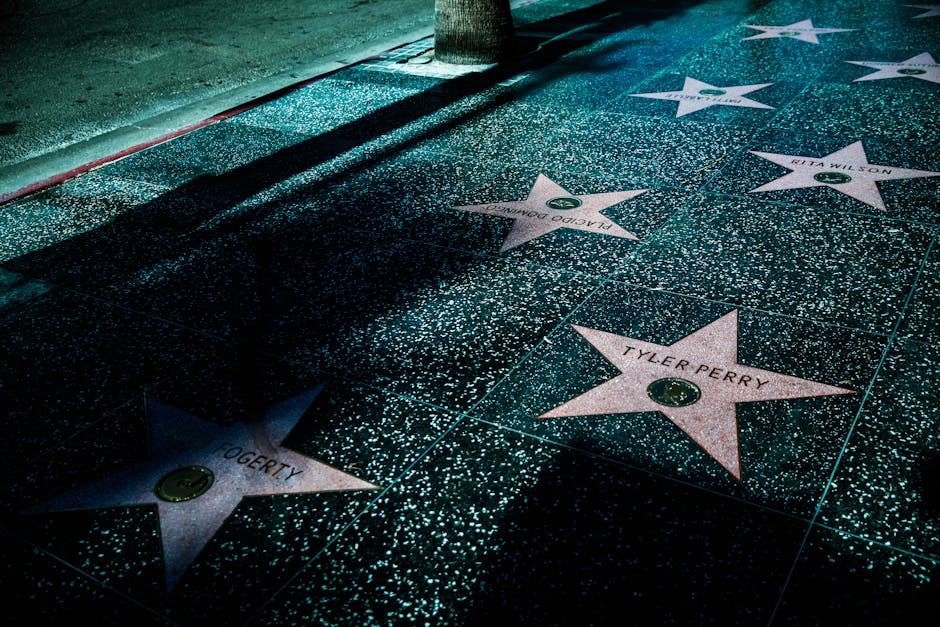
The Hollywood Walk of Fame stands as one of the world’s most recognizable tributes to entertainment excellence, stretching along Hollywood Boulevard and Vine Street in Los Angeles. While millions of tourists photograph their favorite stars embedded in the sidewalk each year, many fascinating details about this iconic landmark remain unknown to even frequent visitors. From its surprising origins to peculiar rules about who qualifies for recognition, the Walk of Fame harbors numerous secrets beneath its gleaming terrazzo and brass stars.
Uncovering the Hidden Stories Behind the Stars
1. The Walk of Fame Was Originally Created as an Economic Revival Strategy
The Hollywood Walk of Fame wasn’t born from pure celebration of entertainment excellence. In 1953, the Hollywood Chamber of Commerce conceived the idea as part of a strategic plan to revitalize a declining neighborhood. Hollywood had begun losing its glamorous reputation, and city planners hoped that creating a permanent monument to entertainment legends would attract tourists and restore the area’s prestige. The first stars weren’t actually installed until 1960, and the original plan called for only 1,500 stars—a number that has since been far exceeded.
2. Honorees Must Pay a Substantial Fee for Their Star
Receiving a star on the Hollywood Walk of Fame isn’t free, even for the most celebrated celebrities. Anyone honored must pay a sponsorship fee of $75,000 as of 2024, which covers the creation and installation of the star, as well as maintenance costs. Typically, this fee is paid by movie studios, production companies, fan clubs, or the celebrities themselves. This requirement ensures the Walk of Fame remains self-sustaining, though it has sparked debate about whether artistic merit alone should determine who receives recognition.
3. Receiving a Star Requires an Application and Approval Process
Contrary to popular belief, the Hollywood Chamber of Commerce doesn’t simply select celebrities for stars. Potential honorees must be nominated through a formal application process, and candidates must accept the nomination before consideration. A selection committee meets annually to review hundreds of applications, evaluating nominees based on professional achievement, longevity in entertainment (minimum five years), contributions to the community, and the likelihood they’ll attend the unveiling ceremony. Many beloved entertainers have never received stars simply because no one nominated them or they declined the honor.
4. Some Celebrities Have Rejected the Honor
Not every entertainment icon wants a star on the Walk of Fame. Notable rejections include Julia Roberts, who reportedly declined due to the sponsorship fee requirement. Clint Eastwood has also turned down the honor, as has Madonna. Some artists have refused on principle, viewing the Walk of Fame as too commercialized, while others simply prefer to avoid the publicity or find the application process beneath them. These rejections demonstrate that a star, despite its prestige, doesn’t hold universal appeal among celebrities.
5. The Stars Represent Five Different Entertainment Categories
Each star on the Walk of Fame features an emblem indicating which entertainment category the honoree represents. The five categories are motion pictures (a film camera), television (a TV set), recording (a phonograph record), radio (a microphone), and live theatre/performance (tragic and comic masks). Some versatile entertainers have received multiple stars for achievements in different fields. Gene Autry holds the record with five stars, one in each category, making him the most honored individual on the Walk of Fame.
6. Fictional Characters Have Their Own Stars
The Walk of Fame isn’t exclusively reserved for real people. Several fictional characters have been honored with stars, including Mickey Mouse, Bugs Bunny, Big Bird, The Simpsons, Shrek, and even Godzilla. These characters received their stars in recognition of their cultural impact and contributions to entertainment history. The inclusion of fictional honorees acknowledges that characters can achieve a level of fame and influence that transcends their animated or costumed origins, becoming genuine cultural icons in their own right.
7. Four Different Colored Stars Exist Beyond the Standard Pink
While the iconic pink terrazzo stars are most familiar, the Walk of Fame actually features four different colored stars that most visitors never notice. The original 1,558 stars installed between 1960 and 1968 included stars in charcoal, coral, and bronze terrazzo, in addition to pink. This variety was intended to add visual interest to the sidewalk. However, all stars installed after 1968 have been pink to maintain consistency. The older colored stars remain embedded in the sidewalk, creating subtle variations that observant visitors can spot.
8. A Dedicated Team Cleans Every Star Daily
Maintaining over 2,700 stars requires serious dedication. The Hollywood Historic Trust, which manages the Walk of Fame, employs a specialized cleaning crew that washes every single star on the sidewalk twice monthly. Additional cleaning occurs as needed, especially for stars belonging to recently deceased celebrities or those featured in current media, which attract increased foot traffic and tributes. Each star undergoes periodic restoration to repair chips, cracks, and wear from millions of footsteps. This maintenance ensures the Walk of Fame maintains its signature sparkle despite constant exposure to the elements and endless tourist traffic.
9. The Walk of Fame Extends Over 15 Blocks
The Hollywood Walk of Fame is considerably longer than most people realize. It stretches 1.3 miles along Hollywood Boulevard, from Gower Street to La Brea Avenue, and three blocks along Vine Street, from Yucca Street to Sunset Boulevard. Walking the entire length of the Walk of Fame takes approximately 90 minutes without stopping, and attempting to view every star would require several hours. The walk’s considerable length means many tourists only explore the most concentrated sections near popular landmarks like the TCL Chinese Theatre and the Dolby Theatre.
10. Several Stars Honor People Who Never Worked in Entertainment
Some Walk of Fame honorees achieved their fame outside traditional entertainment fields. Apollo 11 astronauts received a special star for their moonwalk, which was televised to millions. The Los Angeles Police Department has a star recognizing their contributions to community safety and their frequent portrayal in entertainment media. These exceptional cases acknowledge individuals whose achievements transcended their primary fields to become part of entertainment history, whether through documentary coverage, biographical films, or cultural impact that inspired countless entertainment projects.
A Living Monument to Entertainment History
The Hollywood Walk of Fame continues evolving as a dynamic tribute to entertainment excellence, adding approximately 20 to 24 new stars annually. Behind its glamorous surface lies a complex institution governed by specific rules, funded by sponsorships, and maintained by dedicated professionals. From its pragmatic origins as an economic development tool to its current status as an essential stop for Los Angeles tourists, the Walk of Fame represents both the achievement of individual entertainers and the collective cultural heritage of the entertainment industry. Understanding these lesser-known facts enriches appreciation for this sidewalk gallery, revealing that the real stories beneath our feet are often more fascinating than the famous names emblazoned in brass and terrazzo.
