










1 / 10 Questions
0 Points

Which State Is Known As The Lone Star State?

Texas

Arizona

New Mexico

Nevada

Points won
0
Correct score
0%

More questions

More Articles

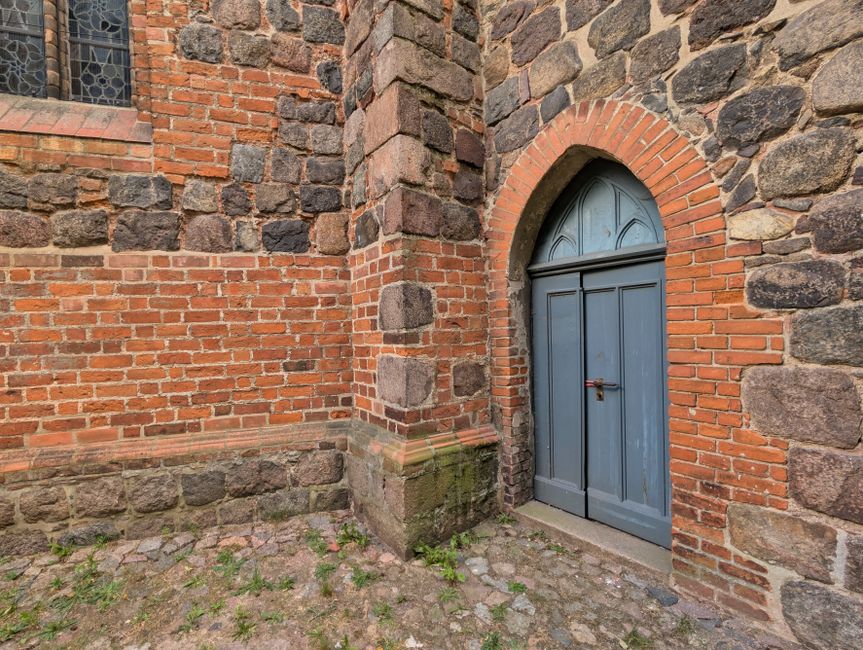
Did You Know? 10 Fascinating Details About Medieval Times

Did You Know? 10 Fascinating Details About Medieval Times

⏱️ 7 min read

The medieval period, spanning roughly from the 5th to the 15th century, remains one of history's most misunderstood eras. Far from being the "Dark Ages" of popular imagination, this was a time of remarkable innovation, cultural richness, and social complexity. The reality of medieval life differs dramatically from modern assumptions, filled with surprising practices, achievements, and customs that challenge our preconceptions. From groundbreaking medical procedures to unexpected hygiene habits, these fascinating aspects of medieval society reveal a world far more sophisticated and nuanced than many realize.

Unveiling the Medieval World

1. Medieval Surgeons Performed Cataract Operations

Contrary to the belief that medieval medicine was purely superstitious, medieval surgeons successfully performed cataract surgery using a technique called "couching." This procedure involved using a needle-like instrument to push the clouded lens to the bottom of the eye, restoring partial vision to patients. Islamic physicians particularly excelled at this procedure, with detailed descriptions found in medical texts from the 10th century. While primitive by modern standards, these operations demonstrate that medieval doctors possessed considerable anatomical knowledge and surgical skill, often learned through careful observation and documented case studies.

2. Knights Rarely Fought in Full Armor

The iconic image of knights perpetually encased in heavy plate armor is largely a Hollywood invention. Full plate armor didn't become common until the late medieval period, around the 15th century. Earlier medieval warriors typically wore chainmail, which was significantly lighter and more flexible. Even when plate armor became available, knights only wore it during actual combat or tournaments. The complete suit of armor weighed between 45-55 pounds, which, while heavy, was distributed across the body and allowed for surprising mobility. Knights could run, jump, and even mount horses without assistance while fully armored, contrary to popular myths about immobilized warriors.

3. Medieval People Were Surprisingly Clean

The stereotype of filthy medieval peasants rarely bathing is historically inaccurate. Public bathhouses were common in medieval towns and cities, with many people bathing regularly. Medieval people understood the connection between cleanliness and health, though their theories about disease differed from modern germ theory. Soap-making was a established craft, and people washed their hands before meals and upon waking. The decline in bathing practices actually occurred later, during the Renaissance, when medical authorities began claiming that water opened pores and allowed disease to enter the body. Medieval manuscripts contain numerous references to bathing, with some religious rules requiring monks to bathe several times per year at minimum.

4. The Medieval Warm Period Transformed Agriculture

Between approximately 950 and 1250 CE, Europe experienced unusually warm temperatures known as the Medieval Warm Period. This climatic phenomenon enabled Vikings to establish settlements in Greenland, where they raised cattle and grew crops. In Europe, farmers cultivated vineyards in England and extended agriculture into previously unfarmable northern regions. The increased agricultural productivity contributed to population growth and economic expansion, helping to fuel the construction of great cathedrals and the growth of cities. This period of warmth ended with the onset of the Little Ice Age, which brought significant hardship and contributed to events like the Great Famine of 1315-1317.

5. Universities Were Medieval Inventions

The modern university system originated in medieval Europe, with the University of Bologna (founded in 1088) and the University of Paris (circa 1150) among the earliest. These institutions developed the academic degree structure still used today, including bachelor's, master's, and doctoral degrees. Medieval universities taught the seven liberal arts: grammar, rhetoric, logic, arithmetic, geometry, music, and astronomy. Students lived in collegiate communities, attended lectures, participated in disputations (formal debates), and took comprehensive examinations. The cap and gown worn at modern graduations directly descends from medieval academic dress, when scholars wore robes to stay warm in unheated lecture halls.

6. Women Held Significant Economic Power

Medieval women, particularly in towns and cities, enjoyed more economic freedom than commonly assumed. Women worked as brewers, textile merchants, bookbinders, and in numerous other trades. Widows could inherit and run their husbands' businesses, and some guilds admitted female members. In medieval England, "femme sole" status allowed married women to conduct business independently of their husbands. Noble women managed vast estates, made political alliances, and sometimes led armies. While medieval society was undeniably patriarchal, the economic realities of pre-industrial life meant that women's labor was essential and often recognized, giving them leverage that would diminish in later centuries.

7. Trial by Ordeal Had Surprising Acquittal Rates

Trial by ordeal, where accused persons underwent painful tests to prove innocence, sounds like a guaranteed conviction method. However, historical records reveal that approximately two-thirds of those who underwent ordeals were actually acquitted. In trial by hot iron, the accused carried a burning iron and had their hand bandaged; if it healed "cleanly" after three days, they were innocent. Priests, who oversaw these trials, had significant discretion in judging whether wounds healed properly. Some historians suggest that ordeals functioned as a form of plea bargaining, with guilty parties confessing rather than face the ordeal, while those who maintained innocence often received favorable judgments from sympathetic clergy.

8. Medieval Peasants Had More Leisure Time Than Modern Workers

Medieval peasants worked hard during planting and harvest seasons, but they enjoyed considerably more time off than typical modern workers. The medieval calendar included numerous religious holidays, saints' feast days, and extended celebrations that could total 150 or more days annually. During winter months, agricultural work slowed dramatically. While peasants performed maintenance tasks and cottage industries, the intense labor of the growing season was balanced by extended periods of relative rest. The modern 40-hour work week and limited vacation time would likely seem oppressive to a medieval peasant accustomed to a more seasonal rhythm of intensive labor followed by communal celebration and rest.

9. Castles Were Painted in Bright Colors

The gray stone castles we imagine today would be unrecognizable to medieval inhabitants. Castle interiors featured vibrant wall paintings, colorful tapestries, and bright decorations. Exteriors were often whitewashed or painted, and crenellations sometimes featured colored patterns. The bare stone appearance of surviving castles results from centuries of weathering that stripped away plaster, paint, and decorative elements. Medieval people loved color and used it lavishly whenever possible. Even stone sculptures on cathedrals were painted in vivid hues, and illuminated manuscripts demonstrate the medieval appreciation for bold, brilliant colors. The notion of austere, gray medieval buildings is a romantic invention of later centuries.

10. The Trebuchet Could Launch Objects Over 300 Pounds

The trebuchet, perfected during the medieval period, represented the pinnacle of pre-gunpowder siege technology. These massive counterweight-powered catapults could hurl stones weighing 300 pounds or more over distances exceeding 300 yards. Engineers calculated trajectories, adjusted counterweights, and even launched diseased animal carcasses to spread disease among besieged defenders. The construction of a large trebuchet required sophisticated understanding of mechanics, leverage, and materials engineering. These weapons were so effective that they remained in use even after the introduction of early cannons, which initially lacked the range and reliability of well-built trebuchets.

A More Complex Picture of Medieval Life

These ten details merely scratch the surface of medieval civilization's complexity and sophistication. The period witnessed remarkable technological innovations, from the heavy plough to mechanical clocks, while establishing institutions like universities and parliaments that continue today. Medieval society was neither the romantic age of chivalry imagined by Victorian writers nor the brutal, ignorant era suggested by the term "Dark Ages." Instead, it was a dynamic period of human history marked by both achievements and limitations, innovations and traditions. Understanding these nuances allows for a more accurate appreciation of how medieval developments shaped the modern world and reveals the ingenuity of people navigating their historical circumstances with the knowledge and tools available to them.

Did You Know? 15 Epic Details About Ant Colonies

Did You Know? 15 Epic Details About Ant Colonies

⏱️ 7 min read

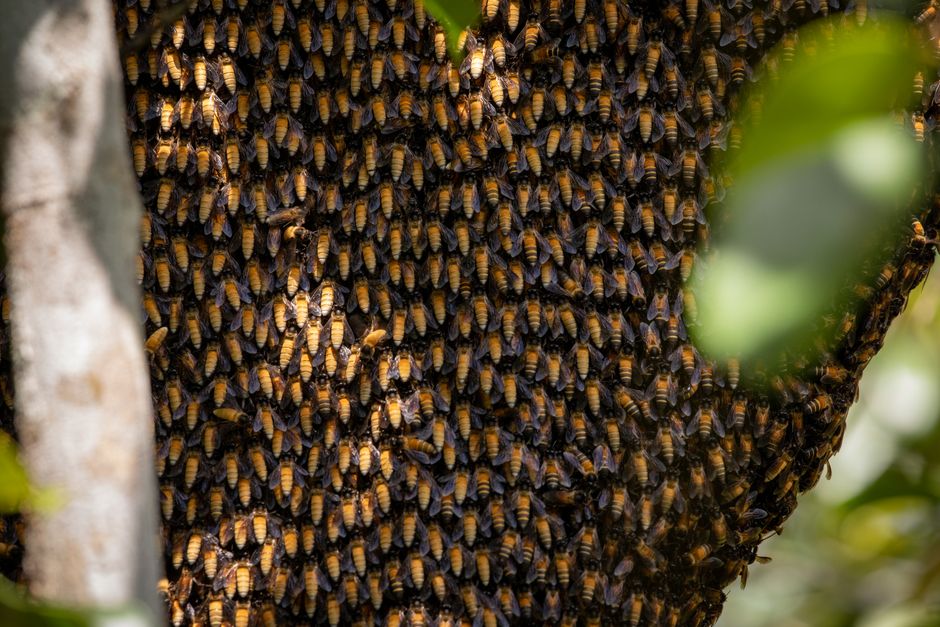
Ant colonies represent some of nature's most sophisticated and complex societies. These remarkable insects have evolved intricate social structures, communication systems, and survival strategies that rival even the most advanced human civilizations. From their architectural achievements to their agricultural innovations, ants demonstrate extraordinary abilities that continue to fascinate scientists and nature enthusiasts alike. The following exploration reveals fifteen astounding aspects of ant colony life that showcase the incredible world beneath our feet.

The Astonishing World of Ant Societies

1. Superorganism Structure and Colony Intelligence

Ant colonies function as a single superorganism, where individual ants act like cells in a body. No single ant possesses complete knowledge of colony operations, yet collectively they make complex decisions about resource allocation, defense, and expansion. This emergent intelligence arises from simple interactions between thousands or millions of individuals, creating a form of distributed cognition that scientists are still working to fully understand. The colony's collective IQ far exceeds any individual ant's capabilities.

2. Sophisticated Chemical Communication Networks

Ants communicate primarily through pheromones, chemical signals that can convey remarkably detailed information. They produce different pheromones for various purposes: trail markers for food sources, alarm signals for danger, recognition chemicals to identify nestmates, and even queen pheromones that regulate reproduction. This chemical language is so sophisticated that ants can communicate the quality and distance of food sources, coordinate complex military maneuvers, and maintain social order throughout colonies containing millions of individuals.

3. Underground Architectural Marvels

Ant colonies construct elaborate underground cities that would impress any human architect. These structures include specialized chambers for nurseries, food storage, fungus gardens, and waste disposal. Some colonies extend dozens of feet underground with thousands of chambers connected by an intricate network of tunnels. Leaf-cutter ant colonies can excavate over 40 tons of soil to create their nests, featuring sophisticated ventilation systems that maintain optimal temperature and humidity levels throughout the structure.

4. Agricultural Pioneers Predating Human Farming

Leaf-cutter ants developed agriculture approximately 50 million years before humans. These remarkable insects cultivate fungus gardens by harvesting fresh vegetation, processing it into mulch, and using it to grow specialized fungi that serve as their primary food source. They maintain strict quality control, removing contaminated material and applying antimicrobial secretions to protect their crops. This agricultural system is so efficient that a single mature colony can strip an entire tree of leaves in a single night.

5. Military Organization and Warfare Tactics

Army ants demonstrate military strategies that would rival human armies. They conduct raids using flanking maneuvers, encirclement tactics, and coordinated assaults involving millions of soldiers. Some species form temporary bivouacs using their own bodies, creating living structures that house the queen and brood during nomadic phases. These raids can overwhelm prey thousands of times larger than individual ants through sheer numbers and coordination, clearing entire areas of arthropods and small vertebrates.

6. Slavery and Parasitic Raiding Behavior

Certain ant species practice slavery by raiding neighboring colonies to steal pupae and larvae. When these captives mature, they work for their captors as if in their original colony, unable to distinguish their enslaved status. Slave-maker ants have become so dependent on this behavior that some species cannot survive without slave workers to feed them and maintain their nests. This dark aspect of ant society demonstrates the ruthless efficiency of evolutionary adaptation.

7. Livestock Management and Animal Husbandry

Many ant species maintain "herds" of aphids, scale insects, and other honeydew-producing bugs, protecting them from predators in exchange for their sweet secretions. Ants will move their livestock to better feeding locations, shelter them in specially constructed enclosures, and even carry aphid eggs into their nests during winter to preserve next year's herd. This mutualistic relationship represents true animal husbandry, complete with selective breeding as ants favor the most productive honeydew producers.

8. Extreme Lifespans and Colony Longevity

While worker ants typically live only weeks to months, queen ants can survive for decades. Some queen ants have been documented living over 30 years in laboratory settings, making them among the longest-lived insects on Earth. Colonies themselves can persist for even longer, with some established nests continuing for over 50 years. This longevity allows colonies to accumulate knowledge and resources across generations, creating increasingly sophisticated operations over time.

9. Traffic Management Without Central Control

Ant trails demonstrate remarkably efficient traffic flow despite lacking any central coordination. When trails become congested, ants automatically adjust their behavior to maintain smooth movement. They create multi-lane highways with distinct lanes for loaded and unloaded workers, implement right-of-way rules, and even establish temporary bypass routes around obstacles. Computer scientists study ant traffic patterns to develop algorithms for managing human transportation networks and data routing.

10. Specialized Castes and Division of Labor

Ant colonies employ extreme specialization with distinct physical castes optimized for specific roles. Soldiers possess oversized heads and powerful mandibles for defense. Some species have workers with different body sizes designated for different tasks: large workers carry heavy loads, medium workers forage, and small workers tend to brood. Certain species even have specialized "living storage" ants called repletes that store liquid food in their expandable abdomens, serving as living pantries during lean times.

11. Impressive Strength and Load-Bearing Capacity

Ants possess extraordinary strength relative to their size, with many species capable of carrying 10 to 50 times their own body weight. Leaf-cutter workers can lift objects over 50 times heavier than themselves while navigating complex terrain. This incredible strength comes from their small size and efficient muscle structure. If humans possessed proportional strength, we could lift automobiles overhead with ease. This power enables ants to transport massive amounts of resources back to their colonies efficiently.

12. Navigation Using Polarized Light and Magnetic Fields

Despite their tiny brains, ants employ sophisticated navigation techniques. Desert ants use polarized light patterns in the sky to maintain accurate directional information, allowing them to take direct routes home after meandering foraging trips. Some species detect magnetic fields to orient themselves underground where visual cues are absent. Ants also count steps and integrate this information with visual landmarks, demonstrating a form of dead reckoning that keeps them oriented across vast distances relative to their size.

13. Cooperative Rafting and Engineering Solutions

Fire ants demonstrate remarkable problem-solving abilities during floods by linking their bodies together to form waterproof rafts. These living rafts can float for weeks, protecting the queen and brood in an air pocket at the center. The ants continuously rotate positions, with those underwater eventually moving to the top for air. This cooperation allows entire colonies to survive floods and even colonize new territories by drifting to new locations. Scientists study this behavior to develop self-assembling materials and robotic swarms.

14. Thermal Regulation and Climate Control Systems

Ant colonies maintain precise environmental conditions through collective thermoregulation. They position brood in warmer or cooler areas depending on optimal development temperatures, open or seal entrance holes to regulate airflow, and even use their bodies to generate or dissipate heat. Some species create elaborate ventilation systems with multiple entrance and exit holes that create convection currents, effectively air-conditioning their underground cities. This climate control is essential for fungus cultivation and brood development.

15. Altruistic Behavior and Colony Defense Mechanisms

Individual ants readily sacrifice themselves for colony survival. Some species have workers that explode when threatened, rupturing their bodies to spray toxic chemicals on attackers. Others block nest entrances with their heads, serving as living doors that only open for nestmates. Elderly ants often take on the most dangerous foraging duties, preserving younger workers for safer tasks. This extreme altruism makes evolutionary sense because worker ants are sterile and can only pass on their genes by ensuring their mother queen's survival and reproduction.

The Legacy of Collective Excellence

These fifteen aspects of ant colony life reveal societies of breathtaking complexity and efficiency. From their ancient agricultural practices to their sophisticated communication networks, ants have perfected social living through millions of years of evolution. Their collective intelligence, specialized labor systems, and remarkable engineering achievements demonstrate that size is no barrier to accomplishment. As we continue studying these tiny architects, farmers, warriors, and engineers, we gain insights applicable to human challenges in organization, logistics, construction, and cooperation. The ant colony stands as nature's testament to the power of collaboration and the extraordinary results achievable when individuals work toward common goals.