










⏱️ 7 min read
The history of life on Earth is filled with remarkable creatures that once roamed our planet but have since vanished forever. From massive predators to bizarre-looking herbivores, extinct animals continue to fascinate scientists and nature enthusiasts alike. These vanished species often possessed characteristics and abilities that seem almost unbelievable by modern standards. The fossil record reveals astonishing details about these lost creatures, offering glimpses into worlds vastly different from our own. Here are ten extraordinary facts about extinct animals that showcase just how incredible and diverse life on Earth has been throughout millions of years of evolution.
Remarkable Discoveries from the Prehistoric World
1. The Megalodon's Bite Force Was Stronger Than a T-Rex
The Megalodon, an enormous prehistoric shark that lived approximately 23 to 3.6 million years ago, possessed the most powerful bite force of any animal known to have existed. Scientists estimate that this massive predator could exert a bite force of up to 40,000 pounds per square inch, which is roughly ten times stronger than a modern great white shark and even more powerful than the famous Tyrannosaurus rex. Growing up to 60 feet in length, the Megalodon hunted whales and other large marine mammals, using teeth that could reach over seven inches long. The extinction of this apex predator remains somewhat mysterious, though climate change and the decline of its prey species likely played significant roles.
2. Dodo Birds Were Actually Competent Survivors Until Humans Arrived
Contrary to popular belief that portrays the dodo as a clumsy, unintelligent bird, these creatures were actually well-adapted to their environment on Mauritius. The dodo evolved without natural predators, which meant it had no reason to develop flight or fear behaviors. These birds were successful for millions of years until Dutch sailors arrived in 1598, bringing with them invasive species like rats, pigs, and monkeys that destroyed dodo nests and competed for food. The dodo's extinction by 1681 had less to do with the bird's inadequacy and more to do with the rapid ecological disruption caused by human colonization.
3. The Irish Elk Had Antlers Spanning Twelve Feet
Despite its name, the Irish Elk was neither exclusively Irish nor technically an elk—it was the largest deer that ever lived. This magnificent creature stood seven feet tall at the shoulders and possessed antlers that could span up to twelve feet across and weigh approximately 90 pounds. These massive antlers, while impressive for attracting mates and displaying dominance, may have contributed to the species' extinction around 7,700 years ago. The energy required to grow and carry such enormous antlers, combined with climate change and human hunting pressure, likely proved too much for these giant deer to survive.
4. Woolly Mammoths Lived Alongside Ancient Egyptians
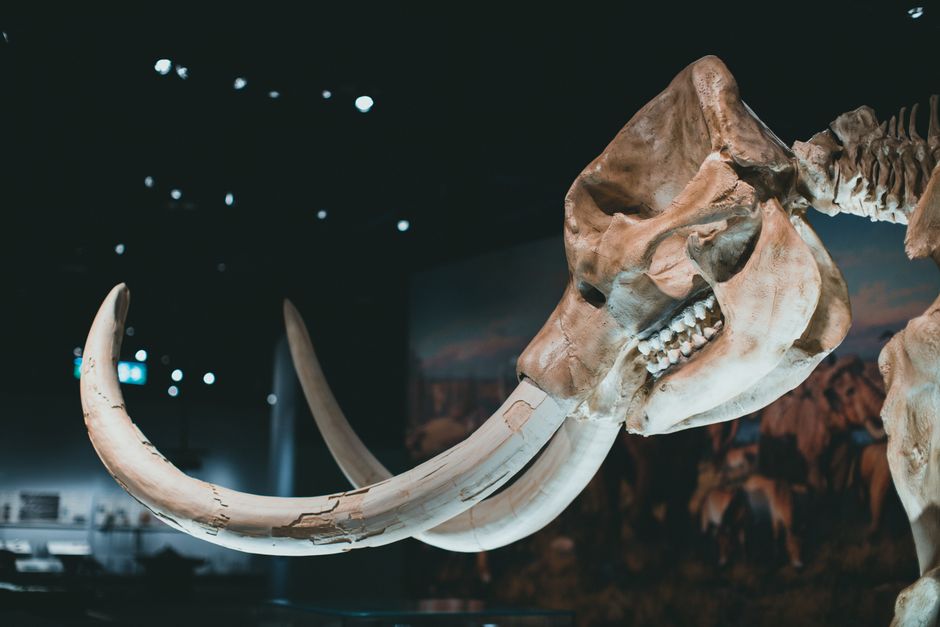
While most people associate woolly mammoths with the Ice Age, these iconic creatures actually survived much longer than commonly believed. A small population of woolly mammoths persisted on Wrangel Island in the Arctic Ocean until approximately 4,000 years ago—around the same time the ancient Egyptians were building the pyramids. These isolated mammoths survived thousands of years after their mainland relatives went extinct, though they suffered from genetic problems due to inbreeding. This incredible timeline overlap reminds us that extinction is often a gradual process rather than a sudden event.
Unusual Adaptations and Bizarre Features
5. The Helicopter Damselfly Had a Wingspan of Two Feet
During the Carboniferous period, approximately 300 million years ago, oxygen levels in Earth's atmosphere were significantly higher than today, allowing insects to grow to enormous sizes. The Meganeura, commonly known as the helicopter damselfly, was a dragonfly-like predator with a wingspan reaching up to 28 inches—roughly the size of a modern hawk. These massive insects ruled the skies before the evolution of birds and pterosaurs, hunting other insects and small vertebrates. The eventual decrease in atmospheric oxygen levels limited how large insects could grow, ensuring that modern dragonflies remain considerably smaller.
6. Gastornis Birds Were Carnivorous Giants Taller Than Humans
For years, scientists debated whether Gastornis, a massive flightless bird that lived during the Paleocene and Eocene epochs, was a fearsome predator or a gentle herbivore. Standing over six feet tall with a massive beak that resembled a hatchet, these birds certainly looked intimidating. Recent evidence, including isotope analysis of their bones and examination of their beaks and claws, suggests they were primarily herbivorous, likely crushing tough plant material and nuts. This revelation changed our understanding of these extinct giants and the ecosystems they inhabited across Europe and North America millions of years ago.
7. The Tasmanian Tiger Was a Marsupial That Looked Like a Dog
The Thylacine, commonly known as the Tasmanian tiger or Tasmanian wolf, represents one of the most remarkable examples of convergent evolution. Despite being a marsupial more closely related to kangaroos than canines, this creature evolved to look and behave remarkably similar to dogs and wolves. Complete with stripes across its back, the Thylacine could open its jaws to an incredible 120-degree angle. The last known Thylacine died in captivity in 1936, making it one of the most recent extinctions of a large predator. Its disappearance serves as a sobering reminder of how quickly human activity can eliminate species.
Ancient Giants and Record Holders
8. Argentavis Was a Bird Large Enough to Swallow a Human Whole
The Argentavis magnificens, which lived in Argentina approximately six million years ago, was the largest flying bird ever discovered. With a wingspan estimated at up to 23 feet and weighing around 160 pounds, this enormous bird of prey dwarfed modern condors and eagles. Scientists believe Argentavis was likely a glider that used thermal currents to stay aloft, as flapping wings of such size would have required tremendous energy. Its skull alone measured over 18 inches long, and its beak was powerful enough to consume prey whole, making it one of the most formidable aerial predators in Earth's history.
9. Short-Faced Bears Were the Largest Mammalian Predators in North America
The giant short-faced bear, which roamed North America during the Pleistocene epoch, was the most powerful predator on the continent. Standing 12 feet tall on its hind legs and weighing up to 2,000 pounds, this bear could run at speeds exceeding 40 miles per hour despite its massive size. With its long legs and short face optimized for delivering powerful bites, this bear likely scavenged from other predators and hunted large prey. The short-faced bear went extinct approximately 11,000 years ago, possibly due to climate change and competition with the smaller but more adaptable brown bears and humans.
10. Glyptodonts Were Armadillo Ancestors the Size of Volkswagen Beetles
The Glyptodon was essentially a massive armadillo that lived in South America until about 10,000 years ago. These incredible creatures grew to approximately 11 feet long and weighed up to 4,400 pounds, with a thick, domed shell composed of bony plates that protected them from predators. Some species possessed spiked tails that functioned as defensive clubs, similar to the ankylosaur dinosaurs that preceded them by millions of years. Evidence suggests that early humans hunted Glyptodonts and may have even used their massive shells as shelters, contributing to their eventual extinction alongside many other megafauna species.
Lessons from Lost Species
These ten remarkable facts about extinct animals illustrate the incredible diversity of life that has existed on Earth throughout its long history. From giant sharks with crushing bite forces to massive flying birds and armored mammals, extinct species possessed adaptations and characteristics that often exceeded anything seen in modern animals. Understanding these vanished creatures helps scientists piece together how ecosystems evolved and responded to changing environmental conditions. Moreover, studying extinct animals provides crucial insights into current conservation challenges, reminding us that extinction is permanent and that protecting today's endangered species requires urgent action before they too become mere fossils in the record of life on Earth.

