









1 / 10 Questions
0 Points

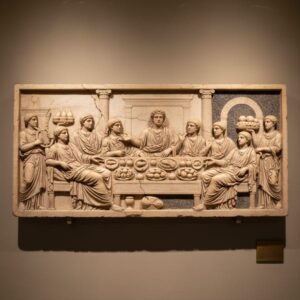
Which painting technique requires artists to work on wet plaster?

Oil painting

Watercolor

Fresco

Acrylic

Points won
0
Correct score
0%

More questions

More Articles

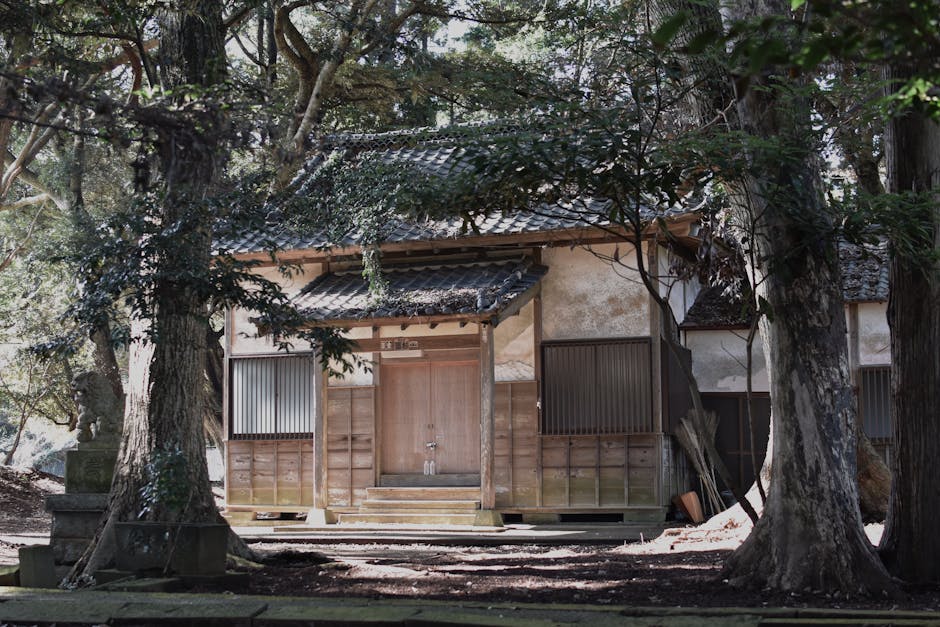
Did You Know? 15 Hidden Secrets of Ancient Structures

Did You Know? 15 Hidden Secrets of Ancient Structures

⏱️ 6 min read

Ancient structures stand as testaments to human ingenuity, engineering prowess, and artistic vision. While millions visit these monuments each year, many remain unaware of the fascinating secrets hidden within their walls, beneath their foundations, and encoded in their very design. From acoustic anomalies to astronomical alignments, these architectural marvels contain mysteries that continue to captivate researchers and visitors alike. The following secrets reveal just how sophisticated ancient civilizations truly were.

Architectural Mysteries Revealed

1. The Great Pyramid's Perfect Alignment

The Great Pyramid of Giza demonstrates astronomical precision that seems impossible for its era. Its sides are aligned to true north with an accuracy of 3/60th of a degree. Even more remarkably, the structure sits at the exact center of the Earth's landmass, with equal amounts of land in each quadrant around it. Ancient Egyptian engineers achieved this without modern instruments, suggesting sophisticated surveying techniques that have been lost to history.

2. Acoustic Anomalies in Mayan Temples

At the base of the stairs of El Castillo pyramid in Chichen Itza, clapping produces an echo that sounds remarkably like the chirp of the sacred Quetzal bird. Acoustic engineers have confirmed this was intentional, not accidental. The ancient Maya designed their temples to produce specific sounds, possibly for ceremonial purposes or to demonstrate divine power to worshippers gathered below.

3. Roman Concrete's Self-Healing Properties

Roman concrete structures have survived for over 2,000 years, often in better condition than modern concrete that crumbles after decades. Scientists discovered that Romans used volcanic ash and seawater, creating a chemical reaction that produces crystalline structures which actually grow stronger over time and can even heal cracks. This ancient formula remains superior to many modern concrete mixtures.

4. Angkor Wat's Hydraulic City System

Beneath the visible grandeur of Angkor Wat lies an incredibly sophisticated hydraulic city spanning over 1,000 square kilometers. The ancient Khmer civilization engineered an elaborate network of canals, reservoirs, and water management systems that supported up to one million people. This complex infrastructure, only fully mapped using aerial laser scanning, represents one of the most advanced pre-industrial urban systems ever created.

5. The Parthenon's Optical Illusions

Nothing about the Parthenon is actually straight, despite appearing perfectly geometric. Ancient Greek architects incorporated subtle curves throughout the structure to counteract optical illusions. The columns bulge slightly in the middle and tilt inward, while the floor curves upward at its center. Without these corrections, the building would appear to sag and lean due to the way human eyes perceive parallel lines over distance.

6. Newgrange's Winter Solstice Illumination

Ireland's Newgrange passage tomb, older than both Stonehenge and the Egyptian pyramids, contains a roof box specifically designed to allow sunlight to penetrate its 19-meter passage and illuminate the inner chamber only during the winter solstice sunrise. This 5,200-year-old structure demonstrates that Neolithic peoples possessed advanced astronomical knowledge and could execute complex engineering over generations.

7. Sacsayhuamán's Earthquake-Resistant Construction

The Inca fortress of Sacsayhuamán features massive stones weighing up to 200 tons fitted together so precisely that not even a knife blade can slide between them, all without mortar. This "ashlar" technique creates structures that flex during earthquakes rather than crumble. Despite Peru's frequent seismic activity, these walls have survived centuries while later Spanish colonial buildings built on top have repeatedly collapsed.

8. Göbekli Tepe's Civilization-Rewriting Timeline

Göbekli Tepe in Turkey forced historians to reconsider the origins of civilization. Dating to approximately 9600 BCE, this massive temple complex was built by hunter-gatherers before the advent of agriculture, pottery, or metal tools. Its existence suggests that organized religion and monumental architecture preceded settled farming communities, completely reversing the previously accepted timeline of human cultural development.

9. The Pantheon's Unreinforced Concrete Dome

Rome's Pantheon, completed in 128 CE, still holds the record for the world's largest unreinforced concrete dome. Its 43-meter span exceeds that of St. Peter's Basilica and demonstrates engineering genius through its gradually thinning structure and use of progressively lighter materials toward the top. The central oculus, left open to the sky, actually reduces the dome's weight while creating dramatic lighting effects.

10. Teotihuacan's Mica Mystery

Beneath the Temple of the Sun in Teotihuacan, archaeologists discovered a thick layer of mica sheets covering large areas. This mineral, found 3,000 kilometers away in Brazil, serves no decorative purpose in its hidden location. Mica possesses excellent thermal and electrical insulation properties, leading to speculation about purposes ranging from ceremonial significance to unknown technological applications by this mysterious civilization.

11. Borobudur's Hidden Buddhist Philosophy

Indonesia's Borobudur temple represents the Buddhist path to enlightenment through its architectural design. Pilgrims walk a five-kilometer path that spirals upward through three levels representing the Buddhist cosmology: the world of desires, the world of forms, and the world of formlessness. The temple contains 504 Buddha statues and 2,672 relief panels, together forming a massive three-dimensional mandala visible only from above.

12. Stonehenge's Welsh Bluestones Journey

The smaller bluestones at Stonehenge originated from the Preseli Hills in Wales, located over 250 kilometers away. Each stone weighing up to four tons was transported across land and water approximately 5,000 years ago. Recent evidence suggests these particular stones were chosen for their acoustic properties, ringing when struck, possibly giving Stonehenge significance as a prehistoric healing temple.

13. The Colosseum's Retractable Roof System

The Roman Colosseum featured a sophisticated retractable awning system called the velarium, operated by a team of sailors skilled in rope work. This massive canvas structure, supported by 240 wooden poles, could be deployed to shade 50,000 spectators from the sun. The engineering required to create a removable roof over such a vast space without internal supports demonstrates Roman innovation in crowd management and comfort.

14. Derinkuyu's Underground City Depths

Turkey's Derinkuyu represents an entire underground city carved from soft volcanic rock, extending 85 meters deep with 18 levels. This subterranean complex could shelter up to 20,000 people along with their livestock and food stores. It included wells, ventilation shafts, wine presses, chapels, and even schools. Massive circular stone doors could seal different levels, creating a defensive network that protected inhabitants from invasions for centuries.

15. Karnak Temple's Astronomical Calendar

The Temple of Karnak in Egypt functioned as an enormous astronomical observatory. Its main axis aligns with the winter solstice sunset, while other structures track solar and stellar movements. Priests used these alignments to maintain an accurate calendar essential for predicting the Nile's flooding, timing agricultural activities, and scheduling religious festivals. The temple's orientation demonstrates that ancient Egyptian astronomy was far more advanced than previously recognized.

The Lasting Legacy of Ancient Wisdom

These fifteen hidden secrets reveal that ancient civilizations possessed knowledge and capabilities that modern society is only beginning to fully appreciate. From acoustic engineering to earthquake resistance, from astronomical precision to sustainable construction materials, our ancestors developed solutions that remain relevant today. Many modern architects and engineers now study these ancient techniques, seeking to recapture lost wisdom and apply it to contemporary challenges. These structures remind us that human ingenuity transcends time periods and that innovation is not exclusive to the modern age. As technology advances, continuing research will undoubtedly uncover even more secrets hidden within these remarkable monuments to human achievement.

Top 10 Most Mysterious Archaeological Discoveries

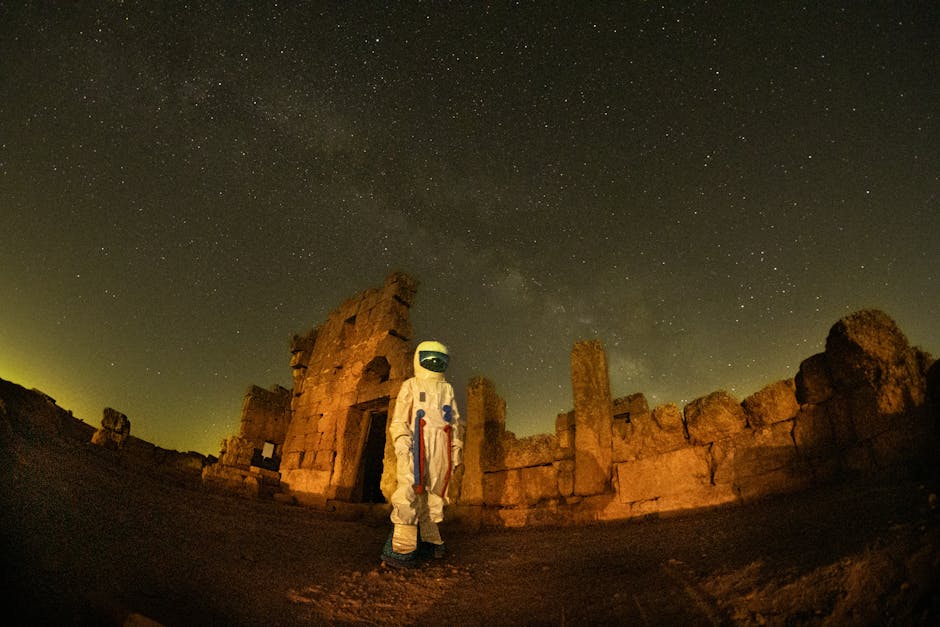
Top 10 Most Mysterious Archaeological Discoveries

⏱️ 6 min read

Throughout history, archaeologists have unearthed countless artifacts and sites that challenge our understanding of ancient civilizations. Some discoveries continue to baffle researchers, sparking debates that have lasted decades or even centuries. These enigmatic finds offer tantalizing glimpses into the past while raising more questions than they answer, reminding us how much we still have to learn about our ancestors and their remarkable achievements.

Enigmatic Relics That Continue to Puzzle Experts

1. The Antikythera Mechanism: Ancient Greek Computer

Recovered from a shipwreck off the Greek island of Antikythera in 1901, this corroded bronze device dates back to approximately 100 BCE and represents one of archaeology's most confounding discoveries. The mechanism contains a complex system of at least 30 meshing bronze gears housed in a wooden frame. Modern research has revealed it functioned as an astronomical calculator, capable of predicting solar eclipses, tracking the Olympic Games cycle, and displaying the positions of celestial bodies. The sophistication of this ancient computer suggests a level of technological advancement that wouldn't be seen again for over a millennium, fundamentally challenging assumptions about ancient Greek engineering capabilities.

2. The Nazca Lines of Peru

Etched into the arid Peruvian coastal plain, these enormous geoglyphs created by the Nazca culture between 500 BCE and 500 CE cover nearly 450 square kilometers. The designs include geometric patterns, straight lines extending for kilometers, and over 70 depictions of animals, plants, and imaginary beings. Some figures measure up to 370 meters across. The mystery deepens when considering that these massive designs can only be fully appreciated from the air, yet the Nazca people had no known flight capabilities. Theories about their purpose range from astronomical calendars to religious pathways, though no definitive explanation has gained universal acceptance among researchers.

3. Göbekli Tepe: The World's Oldest Temple Complex

Discovered in southeastern Turkey in 1963 but not excavated until 1995, Göbekli Tepe has revolutionized understanding of prehistoric societies. Dating to approximately 9600 BCE, this site predates Stonehenge by 6,000 years and the Egyptian pyramids by 7,000 years. The complex features massive T-shaped limestone pillars arranged in circles, some weighing up to 20 tons and decorated with intricate carvings of animals. The profound mystery lies in how hunter-gatherer societies, previously thought incapable of such organization, could construct this architectural marvel before the development of agriculture, pottery, or metal tools. This discovery has forced archaeologists to reconsider the timeline of human social and technological development.

4. The Voynich Manuscript's Undeciphered Code

This 15th-century illustrated codex, carbon-dated to approximately 1404-1438, contains approximately 240 vellum pages filled with text in an unknown writing system accompanied by bizarre illustrations of unidentifiable plants, astronomical diagrams, and mysterious nude figures. Despite efforts by professional cryptographers, linguists, and even World War II codebreakers, no one has successfully deciphered the manuscript's contents. Statistical analysis suggests the text follows natural language patterns, ruling out simple hoax theories, yet the writing system matches no known language. The manuscript's origin, author, purpose, and meaning remain completely unknown, making it perhaps the world's most mysterious book.

5. The Submerged City of Yonaguni

Off the coast of Japan's Yonaguni Island lies a massive underwater rock formation discovered in 1986. The structure features what appear to be carved steps, terraces, pillars, and right-angled corners submerged beneath 25 meters of water. While some geologists argue these formations resulted from natural geological processes, others believe they represent the remains of an ancient civilization dating back 10,000 years or more. The debate continues regarding whether Yonaguni represents a natural wonder or evidence of a prehistoric culture that existed before the end of the last Ice Age when sea levels were significantly lower.

6. The Baghdad Battery's Electric Mystery

Discovered in 1936 near Baghdad, Iraq, this 2,000-year-old artifact consists of a clay jar containing a copper cylinder surrounding an iron rod. When filled with acidic liquid like vinegar or wine, the device can generate approximately 1.5 volts of electricity. This has led to speculation that ancient Mesopotamians possessed knowledge of electrochemistry, possibly using these devices for electroplating gold onto silver objects. However, critics argue the jars may have served as scroll containers, and their electrical properties are merely coincidental. The true purpose of these mysterious vessels remains hotly debated.

7. The Giant Stone Spheres of Costa Rica

Scattered throughout the Diquís Delta of southern Costa Rica, hundreds of nearly perfect stone spheres ranging from a few centimeters to over two meters in diameter have mystified researchers since their discovery in the 1930s. Created by the Diquís culture between 600 and 1000 CE, some spheres weigh up to 15 tons. The precision of their spherical shape is remarkable, with some varying less than a few millimeters from geometric perfection. How pre-Columbian peoples achieved this accuracy without metal tools remains unknown, as does the spheres' purpose, though theories include astronomical markers, status symbols, or territorial boundaries.

8. The Piri Reis Map's Impossible Knowledge

This 1513 world map, created by Ottoman admiral and cartographer Piri Reis, depicts the coastlines of Europe, North Africa, and South America with remarkable accuracy. Most mysteriously, it appears to show the coast of Antarctica without ice coverage—yet Antarctica wasn't officially discovered until 1820 and wasn't fully mapped until the 1950s. The continent has been covered by ice for millions of years. Piri Reis claimed to have compiled the map from approximately 20 source maps, some allegedly dating to the time of Alexander the Great. How these source maps could contain such detailed knowledge remains unexplained.

9. The Sacsayhuamán Fortress Walls

Located on the outskirts of Cusco, Peru, this Incan complex features massive stone walls constructed from enormous limestone blocks weighing up to 200 tons, fitted together with such precision that not even a piece of paper can slide between them. No mortar was used in construction. The mystery lies in how the Inca, who had no wheeled vehicles, iron tools, or written language, could quarry, transport, shape, and position these megalithic stones with such incredible accuracy. Some blocks feature dozens of angles and faces that interlock perfectly with surrounding stones, suggesting engineering knowledge that seems anachronistic for their era.

10. The Mohenjo-Daro Ancient Nuclear Devastation Theory

This ancient city of the Indus Valley Civilization, dating to 2500 BCE in present-day Pakistan, was mysteriously abandoned around 1900 BCE. Among the ruins, archaeologists discovered skeletons scattered in streets and buildings, some showing radiation levels 50 times higher than normal. Certain stones appeared vitrified or fused together at extremely high temperatures. While mainstream archaeology attributes the city's demise to climate change, flooding, or invasion, alternative researchers point to ancient Sanskrit texts describing weapons resembling nuclear devices. Though controversial and largely dismissed by academics, the unusual evidence at Mohenjo-Daro continues to generate speculation about advanced ancient technologies or catastrophic events.

The Enduring Appeal of Archaeological Mysteries

These ten remarkable discoveries demonstrate that despite centuries of archaeological research and technological advancement, our understanding of ancient civilizations remains incomplete. Each mystery serves as a humbling reminder that past societies possessed knowledge, capabilities, and motivations that continue to elude modern interpretation. Whether these enigmas will eventually yield to scientific investigation or remain forever shrouded in mystery, they continue to inspire wonder, fuel debate, and drive archaeological exploration forward, ensuring that the quest to understand our ancestors' achievements remains one of humanity's most compelling endeavors.