








1 / 10 Questions
0 Points

What ocean do flying fish commonly glide above?

Pacific Ocean

Arctic Ocean

Indian Ocean

Southern Ocean

Points won
0
Correct score
0%

More questions

More Articles

Top 10 Fascinating Facts About Concert Tours

Top 10 Fascinating Facts About Concert Tours

⏱️ 6 min read

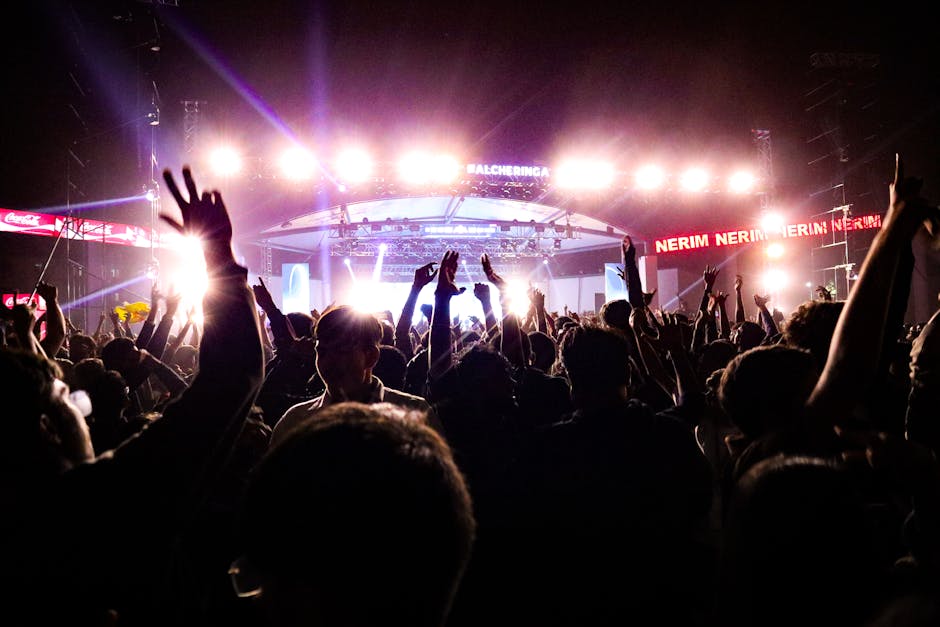
Concert tours represent one of the most spectacular and complex undertakings in the entertainment industry. Behind the dazzling lights, thunderous applause, and unforgettable performances lies a world of remarkable logistics, historical milestones, and surprising facts that most fans never see. From groundbreaking technological innovations to jaw-dropping financial figures, the concert touring industry continues to evolve and astound audiences worldwide.

The Scale and Spectacle of Modern Touring

The Logistics of Moving Entire Productions

A major concert tour operates like a traveling city, requiring an astonishing amount of coordination and resources. Top-tier artists often travel with 30 to 50 semi-trucks carrying equipment, stage components, lighting rigs, and sound systems. The crew for a stadium tour can easily exceed 200 people, including sound engineers, lighting technicians, stage managers, security personnel, caterers, and production assistants. Each venue requires a complete setup and teardown, with some productions taking up to 12 hours to assemble before a single note is played. This massive operation must coordinate transportation across countries and continents, navigate customs regulations, and ensure every piece of equipment arrives intact and on schedule.

Record-Breaking Tour Revenues

The financial scale of concert tours has reached unprecedented heights in recent years. Ed Sheeran's "Divide Tour" holds the record as the highest-grossing concert tour of all time, earning over $776 million between 2017 and 2019. U2's "360° Tour" previously held this record with $736 million in revenue. These figures dwarf the earnings from recorded music sales, which is why many artists now view touring as their primary income source. The top-grossing tours sell millions of tickets across hundreds of shows, with some artists performing for over two years straight to satisfy global demand.

The Environmental Impact and Sustainability Efforts

Concert tours generate a significant carbon footprint, with a major tour potentially producing hundreds of tons of CO2 emissions from transportation, power generation, and venue operations. Recognizing this impact, many artists have pioneered sustainability initiatives. Coldplay's "Music of the Sphere" tour features kinetic dance floors and energy-storing bicycles that allow fans to help power the show. Some artists now use biodiesel for tour buses, implement comprehensive recycling programs, and work with venues to offset their carbon emissions. These efforts represent a growing awareness of environmental responsibility in the entertainment industry.

Historical Milestones and Industry Evolution

The Birth of Modern Concert Touring

While traveling performers have existed for centuries, the modern concert tour as we know it emerged in the 1960s and 1970s. The Beatles' 1964 North American tour is often credited as the prototype for the modern rock tour, featuring unprecedented security measures, screaming fans, and stadium-sized venues. The Rolling Stones' tours in the 1970s established the template for the theatrical, production-heavy shows that dominate today. These pioneering tours created the infrastructure and business models that would transform live music from simple performances into multimedia spectacles worth billions of dollars annually.

Technology That Changed Live Performances

Concert tours have driven technological innovation in remarkable ways. Line array speakers, developed in the 1990s, revolutionized how sound travels in large venues, ensuring clear audio for audiences of 100,000 or more. LED screens and digital projection mapping have transformed stage design, creating immersive visual experiences that were impossible just decades ago. In-ear monitors replaced traditional stage monitors, allowing performers to hear themselves clearly while protecting their hearing. More recently, hologram technology has even enabled "performances" by deceased artists, pushing the boundaries of what concerts can be.

The Economics of Ticket Pricing

Ticket pricing has become increasingly sophisticated and controversial. Dynamic pricing algorithms adjust ticket costs based on demand, location, and purchasing patterns, similar to airline pricing models. VIP packages can cost thousands of dollars, offering meet-and-greets, exclusive merchandise, and premium seating. Meanwhile, secondary ticket markets and scalping can inflate prices far beyond face value. Some artists, like Bruce Springsteen and Taylor Swift, have faced backlash when dynamic pricing resulted in tickets costing several thousand dollars. This complex economic landscape reflects both the high demand for live music and the challenges of making concerts accessible to all fans.

Surprising Behind-the-Scenes Realities

The Physical Demands on Performers

Concert tours place extraordinary physical demands on artists. Performing multiple shows per week requires the stamina of an athlete. Singers must maintain vocal health despite punishing schedules, often working with vocal coaches and following strict regimens to protect their voices. Dancers and energetic performers can burn thousands of calories per show, essentially running a marathon while singing and entertaining. Many artists work with personal trainers, physical therapists, and nutritionists to maintain the strength and endurance needed to perform night after night. Tour-related injuries and vocal strain have ended or interrupted numerous tours throughout history.

The Role of Tour Riders and Contracts

Artist tour riders—the contractual requirements for dressing rooms and backstage amenities—have become legendary in the industry. While some requests seem outrageous, many serve practical purposes. Van Halen's famous demand for M&Ms with all brown ones removed was actually a clever test to ensure venues had thoroughly read their technical requirements. These documents can span hundreds of pages, detailing everything from lighting specifications to catering requirements. Beyond quirky food requests, riders ensure artists have the environment and resources needed to perform at their best, from proper vocal warm-up spaces to specific temperature and humidity controls.

The Security and Safety Challenges

Concert security has evolved into a specialized field requiring extensive planning and coordination. Security teams must protect artists from overzealous fans, manage crowd control for thousands or tens of thousands of attendees, and prepare for medical emergencies. Major tours employ advance security teams who scout venues weeks before performances, identifying potential risks and coordinating with local law enforcement. Recent years have seen increased focus on venue safety following tragic incidents, leading to more stringent security measures including bag checks, metal detectors, and comprehensive emergency evacuation plans.

The Global Reach and Cultural Exchange

Concert tours have become truly global phenomena, with artists routinely performing on multiple continents. K-pop groups have sold out stadiums worldwide, demonstrating music's power to transcend language barriers. Latin artists tour extensively across North America and Europe, while Western artists regularly perform in Asia, Africa, and South America. These international tours require navigating different cultural expectations, regulations, and technical standards. They also facilitate cultural exchange, exposing audiences to diverse musical styles and creating connections between artists and fans separated by thousands of miles. The globalization of concert touring reflects music's universal appeal and the entertainment industry's massive worldwide reach.

Conclusion

The world of concert tours extends far beyond the performances audiences see on stage. These massive undertakings combine artistic vision, technological innovation, logistical mastery, and tremendous physical effort. From the hundreds of crew members who make each show possible to the environmental considerations of moving productions across continents, concert tours represent some of the most complex events in entertainment. As technology advances and the industry continues evolving, tours will undoubtedly become even more spectacular, though the core appeal remains unchanged: the irreplaceable experience of witnessing live musical performance. Understanding these fascinating facts deepens appreciation for the artistry, effort, and innovation that bring these unforgettable experiences to life.

Top 10 Most Influential Podcasts

Top 10 Most Influential Podcasts

⏱️ 7 min read

The podcasting landscape has transformed entertainment media over the past two decades, creating new voices, launching careers, and changing how millions consume content. From comedy to true crime, from celebrity interviews to investigative journalism, certain podcasts have risen above the noise to become cultural phenomena that shaped the medium itself. These groundbreaking shows didn't just attract listeners—they influenced how stories are told, how conversations are conducted, and how entertainment is produced and distributed in the digital age.

The Pioneers Who Shaped the Medium

1. Serial: Revolutionizing True Crime Storytelling

When Sarah Koenig launched Serial in 2014, podcasting would never be the same. This investigative journalism podcast, which examined the 1999 murder of Hae Min Lee and the conviction of Adnan Syed, became the first podcast to win a Peabody Award. Serial's first season was downloaded more than 340 million times, introducing millions of people to podcasts for the first time. The show's narrative structure, cinematic sound design, and week-by-week release format created a cultural moment where watercooler conversations shifted from television to audio content. Serial's influence extends beyond its massive audience—it sparked an entire genre of true crime podcasts and proved that audio storytelling could compete with prestige television for audience attention and critical acclaim.

2. The Joe Rogan Experience: Redefining Long-Form Conversation

Joe Rogan's podcast, launched in 2009, transformed from a casual conversation with friends into one of the most influential media platforms in the world. With episodes frequently exceeding three hours, The Joe Rogan Experience challenged conventional wisdom about audience attention spans and demonstrated that listeners craved in-depth, unfiltered conversations. The show's influence became undeniable when Spotify secured exclusive rights in a deal reportedly worth over $200 million. Rogan's format—minimal editing, long-form discussions, and diverse guests ranging from scientists to comedians to controversial figures—has been replicated thousands of times across the podcasting ecosystem, fundamentally changing what entertainment podcasts could be.

3. This American Life: Bringing Public Radio to Podcasting

Though This American Life began as a radio program in 1995, its transition to podcasting in the early 2000s established templates that countless shows would follow. Hosted by Ira Glass, the program's anthology format, distinctive storytelling style, and commitment to narrative journalism influenced virtually every narrative podcast that followed. This American Life proved that thoughtful, well-produced audio content could find massive audiences in the digital age, regularly ranking among the most downloaded podcasts. The show's production company, This American Life Productions, also created Serial, further cementing its legacy as a foundational force in podcast entertainment.

4. WTF with Marc Maron: Pioneering the Intimate Interview Format

Marc Maron's WTF, launched in 2009 from his garage, established the blueprint for celebrity interview podcasts. Maron's vulnerable, conversational style and willingness to discuss personal struggles created an intimacy rarely found in traditional media interviews. The show reached peak cultural influence when President Barack Obama appeared as a guest in 2015, becoming the first sitting president to be interviewed on a podcast. WTF demonstrated that podcasts could secure guests and create moments impossible to achieve in conventional entertainment media. Maron's influence is visible in countless interview podcasts that prioritize authenticity and depth over promotional soundbites.

Cultural Phenomena and Genre Definers

5. My Favorite Murder: Building Communities Around Content

Karen Kilgariff and Georgia Hardstark's My Favorite Murder, launched in 2016, transcended being merely a popular podcast to become a cultural movement. The show's blend of true crime stories, comedy, and candid discussions about mental health created a devoted community of "Murderinos" who attend live shows, create fan content, and organize local groups. My Favorite Murder demonstrated how podcasts could foster genuine communities and proved that audiences, particularly women, had an enormous appetite for content that traditional entertainment media wasn't providing. The show's success spawned an entire network (Exactly Right Media) and influenced countless creators to embrace authenticity and community-building.

6. Radiolab: Elevating Audio Production as Art

Radiolab, created by Jad Abumrad and Robert Krulwich, brought cinematic sound design and experimental storytelling techniques to podcast form. The show's innovative use of music, sound effects, and editing transformed how producers thought about audio as a medium. Radiolab's influence on podcast production standards cannot be overstated—it elevated expectations for what podcasts could sound like and demonstrated that significant investment in audio production could pay dividends in audience engagement and critical recognition. The show's approach to explaining complex scientific and philosophical concepts through sound has inspired a generation of educational entertainment podcasts.

7. The Daily: Making News Podcasting Essential

The New York Times' The Daily, launched in 2017 and hosted by Michael Barbaro, revolutionized how people consume news by creating a daily narrative podcast that feels both timely and timeless. Released every weekday morning, The Daily quickly became a habit for millions of listeners, proving that audiences would integrate podcasts into their daily routines. The show's success prompted virtually every major news organization to invest heavily in podcast programming, fundamentally changing the media landscape. The Daily's influence extends beyond journalism—it demonstrated that consistent, high-quality daily content could build loyal audiences and meaningful revenue streams.

Comedy and Cultural Commentary Leaders

8. Comedy Bang! Bang!: Transforming Comedy Podcasting

Scott Aukerman's Comedy Bang! Bang!, which evolved from the Comedy Death-Ray radio show in 2009, established podcasting as a legitimate platform for comedy performance and experimentation. The show's improvisational format, character work, and willingness to embrace absurdity influenced countless comedy podcasts. Comedy Bang! Bang! proved that podcasts could serve as creative laboratories where comedians could develop material and personas without network restrictions. The show's success helped launch or boost numerous comedy careers and demonstrated that podcast audiences appreciated comedy that pushed boundaries and rewarded dedicated listeners.

9. Pod Save America: Pioneering Political Entertainment

Created by former Obama administration staffers in 2017, Pod Save America brought insider perspective and millennial sensibility to political commentary. The show became essential listening during election cycles and proved that political content could be both informative and entertaining without sacrificing substance. Pod Save America's success led to the creation of Crooked Media, a podcast network that demonstrated how podcast brands could expand into multiple shows, live events, and merchandise. The show influenced how political content is produced and consumed, particularly among younger audiences who increasingly get news and analysis from podcasts rather than traditional sources.

10. Stuff You Should Know: Educating Through Entertainment

Josh Clark and Chuck Bryant's Stuff You Should Know, launched in 2008, pioneered the educational entertainment podcast format that has since become ubiquitous. The show's accessible approach to explaining complex topics, combined with the hosts' chemistry and humor, proved that learning could be genuinely entertaining. With over 1,500 episodes covering everything from how batteries work to the history of tattoos, Stuff You Should Know demonstrated the podcast medium's unique ability to dive deep into niche topics. The show's longevity and consistent quality influenced countless creators to launch educational podcasts across every conceivable subject area.

The Lasting Impact on Entertainment

These ten podcasts represent more than just popular entertainment—they fundamentally shaped how content is created, distributed, and consumed in the digital age. Together, they demonstrated that podcasting could support long-form conversations, investigative journalism, experimental comedy, community building, and educational content in ways traditional media could not. They proved that audiences existed for authentic, unfiltered content and were willing to spend hours engaging with audio programming. Their influence extends beyond their own success to the thousands of podcasts they inspired and the industry they helped build. From Spotify's multi-million dollar investments to major celebrities launching shows to advertisers recognizing podcasts as essential media platforms, these influential podcasts transformed audio entertainment from a niche hobby into a mainstream cultural force that continues to evolve and expand.