











1 / 10 Questions
0 Points

What Do Indy 500 Winners Chug Instead Of Champagne?

Beer

Milk

Orange juice

Champagne

Points won
0
Correct score
0%

More questions

More Articles

10 Fun Facts About the Middle Ages

10 Fun Facts About the Middle Ages

⏱️ 4 min read

The medieval period, spanning roughly from the 5th to the 15th century, was filled with fascinating customs, beliefs, and practices that might surprise modern readers. From unusual dining habits to peculiar medical treatments, this era offers a treasure trove of intriguing historical facts that shed light on how our ancestors lived.

Medieval Facts That May Surprise You

1. Beds Were Luxury Items

In medieval times, beds were considered such valuable possessions that they were often listed in wills and passed down through generations. Most people slept on straw-filled mattresses on the floor, while elaborate four-poster beds were symbols of wealth and status. The phrase "sleep tight" originated from this period, referring to the ropes that needed regular tightening to support the mattress.

2. Bread Was Used as Plates

Known as "trenchers," stale bread slices served as plates during medieval feasts. These edible dishes would soak up sauces and juices throughout the meal. Afterward, these sauce-soaked trenchers were either eaten by the diners or given to the poor as alms.

3. Blue Teeth Were Fashion Statements

Medieval nobility often deliberately stained their teeth blue using dyes made from woad plants. This practice was particularly popular among women and was considered a sign of aristocratic refinement. The bluer the teeth, the more prestigious the person was perceived to be.

4. Animals Could Be Put on Trial

Medieval courts regularly conducted trials against animals accused of crimes. From pigs charged with murder to rats prosecuted for destroying crops, these animals were assigned lawyers and underwent formal legal proceedings. Some were even sentenced to death if found guilty.

5. Knights Weren't Always Noble

Contrary to popular belief, not all knights came from noble families. During the later Middle Ages, successful merchants and wealthy peasants could purchase knighthoods. This practice, known as "social mobility through service," helped create a new class of military elite.

6. Medical Treatment Involved Astrology

Medieval doctors consulted astronomical charts before treating patients. They believed different body parts were governed by specific zodiac signs and planets. Blood-letting, a common treatment, was only performed when the stars were deemed to be in favorable positions.

7. Football Was Considered Dangerous

Medieval football was so violent that several English kings banned it. Unlike modern football, these games involved entire villages, had few rules, and could last for days. Players could be seriously injured or killed during these matches, which often resulted in property damage.

8. Cats Were Associated with Evil

During the Middle Ages, cats, particularly black ones, were often associated with witchcraft and the devil. This superstition led to widespread persecution of cats, which ironically contributed to the spread of the Black Death, as fewer cats meant more disease-carrying rats.

9. Universities Began as Religious Institutions

The first medieval universities were established by the Catholic Church primarily to train clergy. However, they eventually expanded to include subjects like law, medicine, and mathematics. Students often started their education as young as 14 and could study for over a decade.

10. Married Couples Shared Their Bath Water

Despite popular belief that medieval people never bathed, many did practice regular bathing. However, due to the effort required to heat water, family members would share the same bathwater. The tradition of men bathing first, followed by women and then children, gave rise to the phrase "don't throw the baby out with the bathwater."

Historical Significance

These fascinating aspects of medieval life provide valuable insights into how society functioned during this pivotal period. While some practices may seem strange or primitive by modern standards, they reflect the ingenuity and adaptability of people living in challenging times. Understanding these historical facts helps us appreciate how far human civilization has progressed while recognizing the foundations laid by our medieval ancestors.

Many of these medieval customs and beliefs continued to influence European society well into the Renaissance period and beyond. Some echoes of these practices can even be found in modern idioms and social customs, demonstrating the lasting impact of medieval culture on contemporary life.
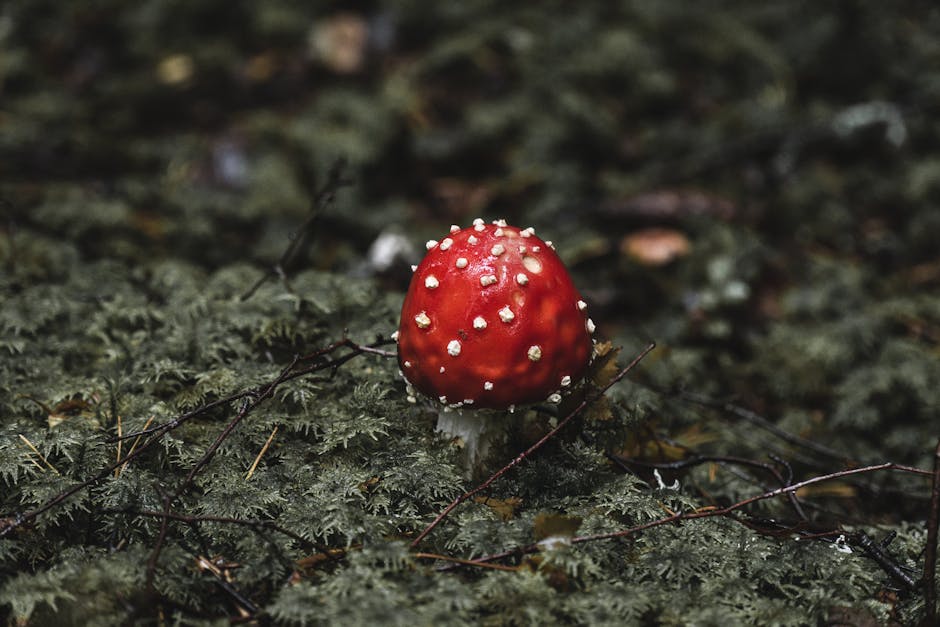

Top 10 Most Dangerous Plants in the World

Top 10 Most Dangerous Plants in the World

⏱️ 7 min read

The plant kingdom harbors some of nature's most lethal organisms, equipped with toxins powerful enough to kill humans and animals within hours or even minutes. While many people associate danger with predatory animals, certain plants have evolved sophisticated chemical defenses that make them among the deadliest life forms on Earth. From ancient poisons used in warfare to modern-day hazards lurking in gardens and wild landscapes, these botanical threats deserve both respect and awareness.

The World's Most Lethal Flora

1. Aconitum: The Queen of Poisons

Commonly known as wolfsbane or monkshood, Aconitum represents one of the most poisonous plants in the Northern Hemisphere. Every part of this flowering plant contains highly toxic alkaloids, particularly aconitine, which affects the heart and central nervous system. Historical accounts document its use in ancient Greece for executing criminals and poisoning arrows for hunting wolves. Symptoms of poisoning include severe burning sensations, numbness, nausea, and cardiac arrest. Even brief skin contact with the plant can cause absorption of toxins, and ingesting even small amounts can be fatal within hours. The plant's attractive purple or blue hood-shaped flowers belie its deadly nature, making it particularly dangerous in ornamental gardens.

2. Castor Bean Plant: Source of the Deadliest Natural Toxin

The castor bean plant produces ricin, one of the most potent naturally occurring toxins known to science. A single seed contains enough ricin to kill an adult human if properly extracted and administered. The toxin works by inhibiting protein synthesis at the cellular level, causing multi-organ failure. Despite its deadly reputation, the plant is widely cultivated for castor oil production, as the oil extraction process typically denatures the toxic proteins. However, accidental poisoning occurs regularly, particularly among children attracted to the plant's colorful, speckled seeds. Symptoms include severe abdominal pain, vomiting, bloody diarrhea, and eventual collapse of the circulatory system.

3. Deadly Nightshade: Nature's Assassin

Atropa belladonna, aptly named deadly nightshade, has claimed countless lives throughout history and remains a significant threat today. The plant contains tropane alkaloids including atropine, scopolamine, and hyoscyamine, which disrupt the nervous system's ability to regulate involuntary activities. Consumption of as few as ten berries can kill an adult, while even smaller amounts prove fatal to children. The shiny black berries are particularly deceptive, as they appear edible and have a slightly sweet taste. Historical uses range from cosmetic applications in Renaissance Italy to assassination plots and witchcraft folklore. Modern poisonings typically result from misidentification by foragers or deliberate misuse.

4. Manchineel Tree: The Beach Killer

Holding the Guinness World Record as the world's most dangerous tree, the manchineel tree is native to Caribbean beaches and coastal areas. Every component of this tree contains powerful toxins, with the milky sap being particularly hazardous. Standing under the tree during rain can cause severe skin blistering as rainwater carries the toxins downward. Smoke from burning manchineel wood causes temporary blindness and serious respiratory problems. The fruit, resembling small green apples, has caused numerous deaths among unsuspecting beachgoers and early explorers. Indigenous peoples historically used the sap for poison arrows, and Spanish conquistadors reportedly died after consuming the deceptive fruit.

5. White Snakeroot: The Silent Cattle Killer

This unassuming North American wildflower caused thousands of deaths during early American settlement, including reportedly contributing to the death of Abraham Lincoln's mother. White snakeroot contains tremetol, a toxic alcohol that accumulates in the milk and meat of cattle and other livestock that graze on the plant. Humans consuming contaminated dairy products develop "milk sickness," characterized by tremors, vomiting, severe abdominal pain, and often death. The connection between the plant and the illness wasn't established until the 19th century, making it a mysterious killer for generations. While modern livestock management has largely eliminated this threat, the plant remains dangerous to animals in areas where it grows abundantly.

6. Rosary Pea: Beautiful but Deadly Seeds

The rosary pea produces strikingly beautiful red and black seeds that contain abrin, a toxin similar to ricin but even more potent. A single seed, if properly chewed and ingested, contains enough abrin to kill an adult human. The seeds are often used in jewelry making and rosaries, leading to occasional poisonings when beads are accidentally swallowed or when jewelry makers prick themselves while drilling the seeds. Abrin prevents cells from synthesizing proteins, leading to organ failure. The plant's seeds can remain toxic for years, and there is no known antidote. Despite their danger, the seeds continue to be traded internationally for decorative purposes.

7. Hemlock: Socrates' Fatal Cup

Poison hemlock gained historical infamy as the method of execution for the Greek philosopher Socrates and remains one of North America's most dangerous invasive plants. The plant contains coniine and related alkaloids that cause progressive paralysis of the respiratory muscles while the victim remains conscious. Death typically occurs within three hours of ingesting a lethal dose through respiratory failure. The plant is frequently mistaken for edible wild carrots or parsnips, leading to regular poisoning incidents. All parts of the plant are toxic, and toxins can even be absorbed through the skin. The plant's rapid spread along waterways and disturbed areas increases the risk of accidental exposure.

8. Strychnine Tree: The Convulsion Maker

The Strychnos nux-vomica tree produces seeds containing strychnine, one of the most notorious poisons in history. This alkaloid causes violent, painful convulsions by interfering with neural pathways that regulate muscle contractions. Victims remain fully conscious during the agonizing spasms, which can be triggered by even minor sensory stimuli like light, sound, or touch. Death results from exhaustion, asphyxia, or cardiac arrest during convulsions. Historically used as a rodent poison and in small medicinal doses, strychnine poisoning became a common method of murder in the 19th and early 20th centuries. The tree grows throughout India and Southeast Asia, where accidental poisonings still occur.

9. Gympie-Gympie: The Suicide Plant

This Australian stinging tree delivers what many describe as the most painful plant sting in the world, with effects lasting for months or even years. The plant is covered with hollow silica-tipped hairs that inject neurotoxins upon contact, causing immediate and excruciating pain described as being simultaneously burned with acid and electrocuted. The pain is so intense that documented cases exist of both humans and animals driven to suicide after exposure. Stories circulate of horses jumping off cliffs after brushing against the plant and of a military officer who shot himself after using the leaves for personal hygiene. The embedded hairs can continue causing painful flare-ups for decades, triggered by cold water or physical pressure.

10. Tobacco Plant: The Slow-Acting Killer

While often overlooked in discussions of dangerous plants, tobacco has killed more people than any other plant species through its cultivated use. The plant contains nicotine, a powerful alkaloid that is highly toxic in concentrated forms. Pure nicotine can be absorbed through the skin and is lethal in doses as small as 30-60 milligrams for adults. Beyond acute nicotine poisoning, which affects agricultural workers handling green tobacco, the plant's long-term health impacts through smoking and chewing have caused hundreds of millions of premature deaths globally. The plant's addictive properties ensure continued exposure despite well-documented health consequences, making it arguably the most successful killer in the plant kingdom.

Understanding Botanical Threats

These ten plants demonstrate that danger in nature comes in many forms, from immediate lethal toxicity to long-term health consequences. While some serve as reminders to respect wild plants and avoid consuming unknown species, others like tobacco highlight how cultural practices can transform even deadly plants into widespread threats. Awareness and education remain the best defenses against these botanical hazards, whether encountered in wilderness areas, gardens, or daily life. The remarkable chemical diversity of plant defenses continues to fascinate scientists while reminding us that beauty in nature often conceals deadly purpose.