











1 / 10 Questions
0 Points

What Song Launched Elvis Presley's Recording Career?

Hound Dog

Blue Suede Shoes

Heartbreak Hotel

That's All Right

Points won
0
Correct score
0%

More questions

More Articles

Did You Know? 12 Psychological Tricks That Work

Did You Know? 12 Psychological Tricks That Work

⏱️ 6 min read

Human behavior follows patterns that can be understood, predicted, and even influenced through various psychological principles. Understanding these mental shortcuts and social dynamics can help improve communication, build better relationships, and navigate social situations more effectively. The following psychological techniques are grounded in research and have been demonstrated to work consistently across different contexts and cultures.

The Science Behind Psychological Influence

Psychology reveals fascinating insights into how people think, decide, and respond to various stimuli. These aren't manipulative tactics but rather an understanding of natural human tendencies that can be applied ethically in everyday life. From professional settings to personal relationships, these principles can enhance interactions and outcomes when used appropriately.

1. The Power of Mirroring Body Language

Subtly matching someone's posture, gestures, and speaking pace creates an unconscious sense of rapport and trust. This technique, known as the chameleon effect, works because humans are naturally inclined to like those who are similar to them. When engaging in conversation, casually adopting similar body positioning or matching the other person's energy level can make them feel more comfortable and connected. The key is to keep it natural and not overly obvious, as forced mirroring can have the opposite effect.

2. Asking for More to Get What You Want

The door-in-the-face technique involves making a large request that you expect to be refused, followed by a smaller, more reasonable request. The contrast makes the second request appear more acceptable, and people feel compelled to reciprocate after refusing the first request. For example, if you want someone to volunteer for one hour, first ask if they can commit to five hours. When they decline, your one-hour request will seem much more reasonable by comparison.

3. Strategic Use of Silence in Conversations

Most people feel uncomfortable with silence and will naturally fill conversational gaps with information. By remaining silent after someone finishes speaking, especially during negotiations or when seeking more details, you create space for them to elaborate and often reveal more than they initially intended. This technique is particularly effective in professional settings, interviews, and when trying to understand someone's true feelings about a situation.

4. The Foot-in-the-Door Approach

Starting with a small request increases the likelihood that someone will agree to a larger request later. This works because people want to maintain consistency in their self-perception and behaviors. Once someone has agreed to help you with something minor, they're more likely to view themselves as helpful and continue that pattern. Begin by asking for small favors before progressing to larger ones, allowing the relationship and commitment to build naturally over time.

5. Framing Choices to Encourage Agreement

The way options are presented significantly impacts decision-making. When offering choices, frame them in a way that makes your preferred option more appealing. For instance, instead of asking "Do you want to meet?" try "Would you prefer to meet Tuesday or Thursday?" This assumes agreement to the meeting and simply lets them choose the timing, making it harder to refuse outright while giving them a sense of control.

6. Calling People by Their Name

Using someone's name during conversation activates specific neural patterns associated with attention and personal significance. People naturally pay more attention when they hear their own name and feel more positively toward those who use it appropriately. Incorporate their name naturally into conversations, particularly when greeting them, making requests, or emphasizing important points, but avoid overusing it, which can seem insincere.

7. The Benjamin Franklin Effect

Asking someone for a small favor actually makes them like you more, not less. This counterintuitive principle works because people rationalize their helpful behavior by deciding they must like the person they helped. When someone does something for you, their brain justifies this action by increasing positive feelings toward you. This creates a cycle where asking for appropriate favors can strengthen relationships rather than burden them.

8. Strategic Nodding During Conversations

Nodding while listening encourages the speaker to continue and builds agreement through unconscious mirroring. When you nod during conversation, the other person is more likely to agree with your points when you speak. This works because nodding is associated with affirmation, and people tend to mirror behaviors they observe. Use this technique during important discussions to build momentum toward consensus.

9. The Power of Genuine Compliments

Specific, authentic compliments activate the reward centers in people's brains and create positive associations with your presence. However, the compliment must be genuine and specific rather than generic flattery. Instead of "You're smart," try "The way you analyzed that problem showed really creative thinking." This specificity demonstrates that you're paying attention and that your praise is earned, making it far more impactful.

10. Matching Energy Levels for Better Connection

People respond more positively to those who match their emotional energy rather than contrasting with it. If someone is excited, responding with enthusiasm creates connection, while responding with calmness can feel dismissive. Conversely, when someone is upset, matching their intensity briefly before gradually reducing your energy level can help de-escalate the situation more effectively than immediately trying to calm them down.

11. The Zeigarnik Effect for Maintaining Interest

People remember uncompleted or interrupted tasks better than completed ones. This principle explains why cliffhangers work in entertainment and why leaving conversations slightly unfinished can keep you in someone's mind. In professional settings, ending meetings with clear but incomplete action items keeps projects mentally active for participants. In social contexts, ending interactions on a high note while conversation is still flowing leaves people wanting more.

12. Creating Scarcity and Urgency

People place higher value on opportunities that appear limited or time-sensitive. This isn't about manipulation but about highlighting genuine constraints. When something is scarce or has a deadline, people's fear of missing out motivates action. Whether discussing availability for a meeting, limited spots in a program, or a time-sensitive opportunity, honest communication about constraints naturally increases perceived value and encourages timely decisions.

Applying These Principles Ethically

These psychological techniques work because they align with natural human tendencies and social patterns. The key to using them effectively is authenticity and ethical application. These principles should enhance genuine communication and relationships, not manipulate people into acting against their interests. When applied with good intentions, these insights can improve interactions, build stronger connections, and create more positive outcomes for everyone involved. Understanding human psychology ultimately helps us become more empathetic and effective communicators in all areas of life.
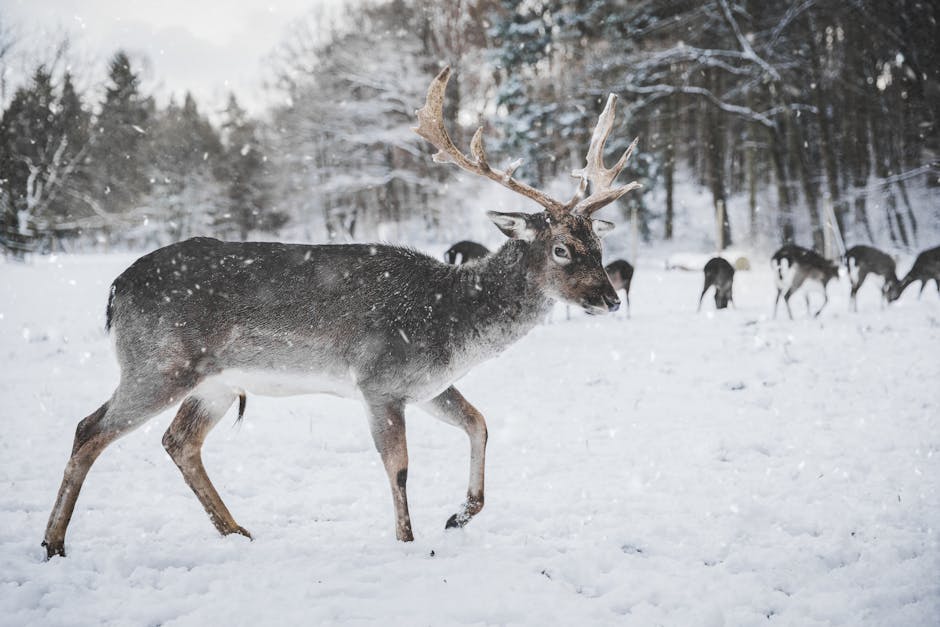

Top 10 Fun Facts About the Animal Kingdom

Top 10 Fun Facts About the Animal Kingdom

⏱️ 6 min read

The animal kingdom is filled with extraordinary creatures that continue to surprise scientists and nature enthusiasts alike. From the deepest oceans to the highest mountains, animals have evolved remarkable abilities and characteristics that often seem stranger than fiction. These fascinating facts reveal just how diverse, adaptable, and surprising life on Earth can be.

Remarkable Discoveries from the Wild

1. Octopuses Have Three Hearts and Blue Blood

One of the ocean's most intelligent invertebrates, the octopus possesses a circulatory system unlike any other. Two of its hearts pump blood to the gills, while the third circulates blood to the rest of the body. Even more intriguing is the color of octopus blood, which is blue rather than red. This unusual coloration comes from hemocyanin, a copper-based molecule that transports oxygen throughout their bodies. This adaptation is particularly effective in cold, low-oxygen environments where octopuses often live, making them perfectly suited to their marine habitats.

2. Hummingbirds Are the Only Birds That Can Fly Backward

Hummingbirds possess flight capabilities that set them apart from every other bird species on the planet. Their unique shoulder joint structure allows them to rotate their wings in a full circle, enabling them to fly backward, forward, upside down, and even hover in place. Their wings beat approximately 80 times per second during regular flight and up to 200 times per second during courtship dives. This extraordinary flight mechanism requires tremendous energy, which is why hummingbirds must consume approximately half their body weight in nectar daily and visit hundreds of flowers to meet their energy demands.

3. Elephants Can Communicate Through Seismic Signals

While elephants are known for their trumpet calls, they also communicate through infrasonic sounds too low for human ears to detect. These low-frequency rumbles can travel through the ground for several miles, and other elephants can detect them through their feet and trunks. This seismic communication allows herds to maintain contact across vast distances in the African savanna. Elephants have specialized cells in their feet that are sensitive to these vibrations, creating an underground communication network that helps coordinate herd movements, warn of dangers, and even locate water sources during droughts.

4. Sea Otters Hold Hands While Sleeping

Sea otters exhibit one of the most endearing behaviors in the animal kingdom by holding hands or paws while they sleep. This behavior, called "rafting," prevents them from drifting apart while floating on their backs in the ocean. Groups of resting otters, sometimes numbering in the dozens or even hundreds, will link together to form floating rafts. They may also wrap themselves in kelp to anchor themselves in place. This behavior serves the practical purpose of keeping the group together for safety and warmth, but it also strengthens social bonds within the community.

5. Mantis Shrimp Possess the Most Complex Eyes in Nature

The mantis shrimp has the most sophisticated visual system of any animal on Earth. While humans have three types of color receptors, mantis shrimp have sixteen, allowing them to see a spectrum of colors far beyond human comprehension, including ultraviolet and polarized light. Their eyes move independently and contain specialized structures that can detect multiple types of light simultaneously. This extraordinary vision helps them hunt, communicate with other mantis shrimp, and navigate their coral reef environments. Additionally, they can strike with their club-like appendages at speeds comparable to a bullet, generating enough force to break aquarium glass.

6. Sloths Only Defecate Once Per Week

Sloths have one of the slowest metabolic rates of any mammal, and their bathroom habits reflect this extreme efficiency. They descend from their tree canopy homes approximately once per week to defecate, losing up to 30% of their body weight in the process. This weekly journey to the forest floor is dangerous, as sloths are vulnerable to predators when not in trees. Scientists believe this behavior may serve multiple purposes, including fertilizing the trees they depend on and facilitating a symbiotic relationship with moths that live in their fur. The moths lay eggs in the sloth's dung, and when the moths emerge, they bring nutrients that support algae growth in the sloth's fur, providing both camouflage and supplemental nutrition.

7. Crows Can Remember Human Faces for Years

Crows demonstrate remarkable intelligence and memory capabilities, particularly when it comes to recognizing individual human faces. Research has shown that crows can remember people who have threatened them or their nests for at least five years, and they can even teach other crows to recognize these individuals. They'll scold and mob people they perceive as threats while remaining calm around those who have treated them kindly. This ability extends beyond simple recognition; crows can hold grudges, pass information to their offspring, and modify their behavior based on past experiences with specific humans.

8. Axolotls Can Regenerate Their Brains

The axolotl, a salamander native to Mexican lakes, possesses regenerative abilities that seem almost supernatural. Unlike most animals, axolotls can regenerate not just limbs and tails, but also portions of their heart, eyes, and even parts of their brain without scarring. They can repeat this regeneration process multiple times throughout their lives. Scientists study these remarkable creatures extensively, hoping to unlock the secrets of regeneration that might one day benefit human medicine. Axolotls remain in their larval form throughout their lives, a phenomenon called neoteny, which may contribute to their extraordinary regenerative capabilities.

9. Arctic Terns Complete the Longest Migration on Earth

The Arctic tern holds the record for the longest migration of any animal, traveling approximately 44,000 miles annually. These seabirds fly from their Arctic breeding grounds to the Antarctic and back again each year, experiencing two summers and more daylight than any other creature on Earth. Over their 30-year lifespan, an Arctic tern may travel more than 1.5 million miles, equivalent to three trips to the moon and back. Their journey takes them across oceans and continents, and they navigate using a combination of the sun's position, Earth's magnetic field, and visual landmarks.

10. Naked Mole Rats Are Immune to Cancer

Naked mole rats are extraordinary rodents that can live up to 30 years, rarely develop cancer, don't feel certain types of pain, and can survive without oxygen for up to 18 minutes. Their cancer resistance is particularly remarkable; scientists have discovered that their cells produce a special type of sugar called high-molecular-mass hyaluronan, which prevents cells from overcrowding and becoming tumorous. These wrinkly, hairless creatures also live in eusocial colonies similar to bees and ants, with a queen who is the only breeding female. Their unique biology has made them invaluable to medical research, particularly in the fields of aging and cancer prevention.

The Endless Wonders of Wildlife

These ten remarkable facts only scratch the surface of the animal kingdom's incredible diversity and adaptability. From the depths of the ocean to the skies above, animals continue to evolve surprising characteristics and behaviors that challenge our understanding of biology and survival. Each species has developed unique solutions to the challenges of their environment, resulting in the rich tapestry of life that makes our planet so extraordinary. As scientists continue to study wildlife, they regularly discover new facts that inspire wonder and remind us of how much there is still to learn about the creatures we share this world with.