
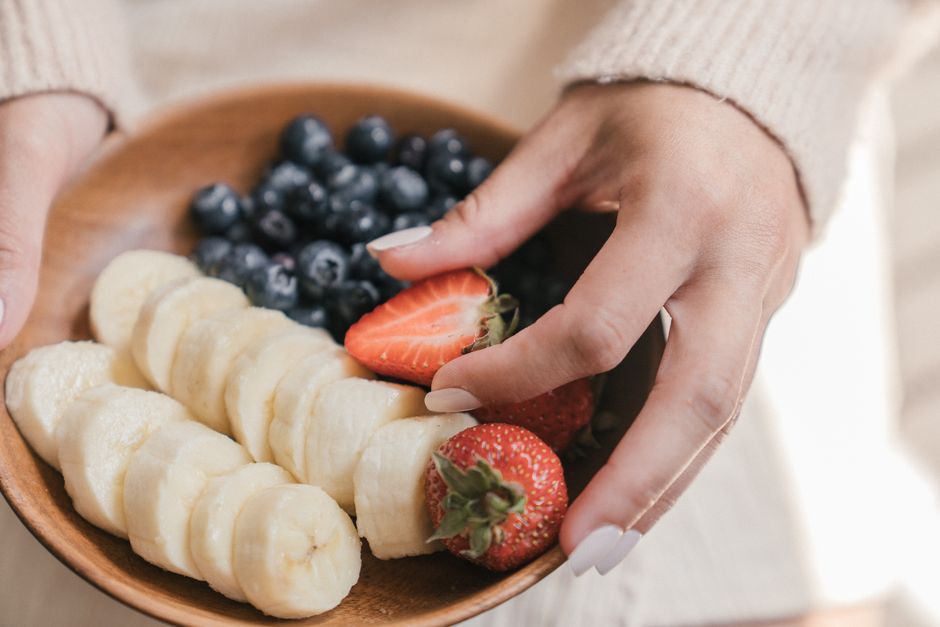
Bananas Are Berries But Strawberries Aren’t: Here’s Why
By Trivia Daily, Staff Writer — Published July 20, 2026
Table of Contents
- Key Takeaways
- What Makes a Botanical Berry: The Science Behind Bananas Berries Strawberries Classification
- Why Strawberries Fail the Berry Test
- Surprising Fruits That Are Actually Berries
- Common Berry Imposters vs. True Berries
- Why the Confusion Between Common and Scientific Names
- Frequently Asked Questions
Pop quiz: which of these is a true berry—a banana, a strawberry, or a blueberry? If you picked the banana and blueberry, congratulations. You’ve just stumbled onto one of botany’s most surprising truths. The humble banana qualifies as a berry under the scientific definition, while the strawberry—despite its name—does not. This fascinating bit of trivia reveals how much the everyday language we use differs from botanical classification, and it’s a perfect example of why science can be so delightfully counterintuitive.
The confusion between bananas berries strawberries and their true classifications isn’t just a quirky fact to share at parties. It opens the door to understanding how botanists categorize fruits, why common names mislead us, and what makes a berry a berry in the first place. The answer involves ovaries, seeds, and a definition that would make your high school biology teacher proud.
Key Takeaways
- Botanically, a berry must develop from a single ovary of a single flower and contain seeds embedded in the flesh—bananas, blueberries, and grapes all qualify.
- Strawberries are “aggregate accessory fruits” because they form from a flower with multiple ovaries, and the seeds are on the outside.
- Raspberries and blackberries are also not true berries; they’re aggregate fruits made up of many tiny drupelets clustered together.
- Surprising true berries include tomatoes, eggplants, kiwis, and even watermelons, all meeting the botanical criteria.
- The term “berry” in everyday language reflects culinary tradition and marketing rather than scientific accuracy.
- Wild banana ancestors contained large, hard seeds; modern cultivated bananas have tiny, undeveloped seeds that appear as black specks.
What Makes a Botanical Berry: The Science Behind Bananas Berries Strawberries Classification
Botanists define a berry with precision that has nothing to do with size, sweetness, or whether you’d toss it into a smoothie. A true berry must meet three specific criteria: it develops from the ovary of a single flower, that ovary contains only one pistil, and the entire fruit wall ripens into an edible pericarp with seeds embedded inside. Think of it as a botanical checklist that many fruits we call “berries” spectacularly fail.
Bananas pass this test with flying colors. Each banana develops from a single flower with one ovary. The entire thick peel and creamy flesh constitute the ripened ovary wall. Those tiny black specks running through the center? Those are the remnants of seeds, though modern cultivated bananas have been bred to be nearly seedless through parthenocarpy—fruit development without fertilization. Wild bananas, by contrast, contain large, rock-hard seeds that make them nearly inedible.
Grapes, blueberries, and even tomatoes share this botanical heritage. Each fruit forms from a single flower’s ovary and houses seeds within the fleshy interior. The humble tomato’s status as a berry often surprises people, but it checks every box. So does the eggplant, the kiwi, and the persimmon.
Why Strawberries Fail the Berry Test
Strawberries betray their non-berry status in plain sight. Those tiny yellow specks dotting the red surface? Each one is actually a separate fruit called an achene, and each contains a single seed. The red, juicy part we eat isn’t the fruit at all—it’s the swollen receptacle, the thickened part of the stem that held the flower.
When a strawberry flower blooms, it has multiple ovaries. Each ovary, once pollinated, becomes one of those tiny seed-like fruits on the surface. Because the strawberry develops from a flower with many ovaries rather than one, botanists classify it as an aggregate accessory fruit. The “accessory” part refers to the receptacle tissue that we actually consume.
Raspberries and blackberries fall into a similar category. Each visible bump on a raspberry represents an individual drupelet—a tiny fruit with its own seed inside. These drupelets cluster together around a central core, making raspberries and blackberries aggregate fruits rather than berries. When you pick a raspberry, the cluster of drupelets separates from the receptacle, leaving a hollow core. Pick a blackberry, and the receptacle comes along for the ride.
Surprising Fruits That Are Actually Berries
Once you understand the botanical definition, the plant kingdom reveals a parade of unexpected berries. Watermelons and pumpkins both qualify as a special type of berry called a pepo—a berry with a hard, thick rind derived from the ovary wall. Cucumbers and squash join this category too.
Citrus fruits represent another berry subcategory: the hesperidium. Oranges, lemons, limes, and grapefruits all develop from a single ovary with multiple carpels, and their segmented interior still counts as a single ripened ovary. The juice vesicles inside each segment are specialized hair cells filled with liquid.
Even the kiwi, with its fuzzy exterior and bright green flesh dotted with tiny black seeds, meets every criterion for berry status. Native to China and originally called the Chinese gooseberry, this fruit was rebranded as “kiwi” by New Zealand exporters in the mid-20th century for marketing appeal.
Common Berry Imposters vs. True Berries
| Fruit Name | Botanical Classification | Why It Fits or Fails |
|---|---|---|
| Banana | True berry | Single ovary, seeds embedded in flesh (though vestigial) |
| Strawberry | Aggregate accessory fruit | Multiple ovaries; seeds on outside; receptacle is the edible part |
| Blueberry | True berry | Single ovary, multiple seeds inside |
| Raspberry | Aggregate fruit | Cluster of drupelets, each from separate ovary |
| Grape | True berry | Single ovary, seeds embedded in pulp |
| Tomato | True berry | Single ovary, seeds throughout the flesh |
| Watermelon | True berry (pepo) | Hard rind from ovary wall, seeds in flesh |
Why the Confusion Between Common and Scientific Names
The disconnect between botanical terminology and everyday language stems from centuries of culinary and agricultural tradition. People named fruits based on taste, size, texture, and use—not on flower anatomy. The word “berry” in common usage simply means a small, pulpy, edible fruit, which explains why we’ve been calling strawberries, raspberries, and blackberries “berries” for hundreds of years.
Commercial agriculture reinforces these traditional names. Grocery stores organize produce by culinary use and consumer expectation, not botanical classification. No supermarket will ever stock bananas in the berry section, even though that’s technically where they belong. Marketing departments understand that common names sell products, while scientific accuracy might just confuse shoppers.
Language evolves through use, and the culinary meaning of “berry” has been established far longer than the botanical definition. Botanists formalized their classification system in the 18th and 19th centuries, but people had been eating and naming fruits for millennia before that. The scientific community essentially adopted a common word and gave it a precise technical meaning that diverged from popular usage.
Frequently Asked Questions
Are avocados berries?
Yes, avocados are botanically classified as berries—specifically, single-seeded berries. They develop from a single ovary and contain one large seed surrounded by the creamy flesh we eat, which is the ripened ovary wall.
Why do bananas have no seeds if they’re berries?
Modern cultivated bananas are bred through parthenocarpy, which allows fruit to develop without fertilization. The tiny black specks inside are ovules that never developed into functional seeds, making bananas easier and more pleasant to eat.
What’s the difference between a berry and a drupe?
A drupe has a hard stone or pit surrounding the seed (like peaches, cherries, and plums), while a berry has seeds embedded directly in the flesh. Both develop from a single ovary, but their internal structure differs significantly.
Can you eat wild bananas with seeds?
Wild bananas contain large, hard seeds that occupy most of the fruit’s interior, leaving very little edible flesh. While technically edible, they’re far less palatable than seedless cultivated varieties and require significant effort to consume.
The next time you peel a banana or bite into a strawberry, you’ll know the surprising botanical truth hiding beneath the surface. These everyday fruits carry secrets that remind us how science often contradicts our assumptions, and how the natural world rarely fits into the neat categories we create for it. That’s what makes trivia like this so satisfying—it turns the familiar strange and makes us look twice at things we thought we knew.
