





1 / 10 Questions
0 Points

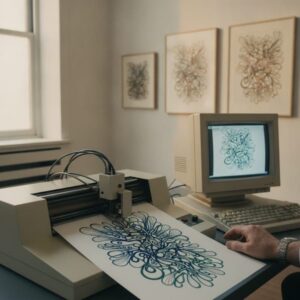
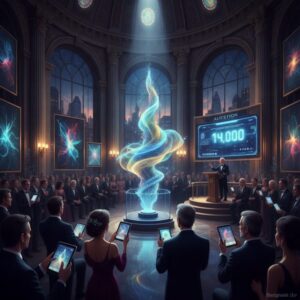
What AI artwork sold for $432,500 at Christie's in 2018?

Edmond de Belamy

The Next Rembrandt

AARON's Garden

Deep Dream Portrait

Points won
0
Correct score
0%

More questions

More Articles

Top 10 Fun Facts About Classic Hollywood Films

Top 10 Fun Facts About Classic Hollywood Films

⏱️ 7 min read

The Golden Age of Hollywood produced some of cinema's most enduring masterpieces, but behind the glamorous facade of these classic films lies a treasure trove of fascinating stories, surprising accidents, and remarkable innovations. From improvised lines that became iconic to unexpected casting decisions that changed film history, these behind-the-scenes tales reveal just how much creativity, chaos, and sheer luck went into creating the movies we still cherish today.

Remarkable Stories Behind Hollywood's Greatest Films

1. The Wizard of Oz's Original Tin Man Nearly Died From His Costume

Buddy Ebsen was initially cast as the Tin Man in "The Wizard of Oz" (1939), but the aluminum powder used in his makeup caused a severe allergic reaction that hospitalized him for weeks. His lungs became coated with the metallic dust, causing breathing problems that plagued him for the rest of his life. Jack Haley replaced him in the role, and the studio switched to an aluminum paste instead of powder. This near-tragedy led to improved safety standards for costume and makeup departments across Hollywood studios.

2. Casablanca's Script Was Written During Filming

"Casablanca" (1942) is now considered one of the greatest films ever made, yet the script was being rewritten daily during production. The writers didn't know how the film would end until the final week of shooting. Ingrid Bergman repeatedly asked director Michael Curtiz which man her character would choose so she could properly play her romantic scenes, but he couldn't tell her because he didn't know either. This uncertainty actually worked in the film's favor, as Bergman's ambiguous performance made her character more compelling and realistic.

3. Gone With the Wind's Burning of Atlanta Used Old Sets

The spectacular burning of Atlanta sequence in "Gone with the Wind" (1939) was achieved by setting fire to old movie sets from previous productions, including the massive gate from "King Kong" (1933). This scene was actually filmed before principal photography began and before Vivien Leigh was cast as Scarlett O'Hara. Director David O. Selznick had three different actresses in costume and makeup that night, filming them from behind until he could make his final casting decision. The controlled burn was so massive that it could be seen from miles away, and the Los Angeles Fire Department was on high alert.

4. Singin' in the Rain's Title Scene Featured a Feverish Gene Kelly

Gene Kelly performed the iconic "Singin' in the Rain" number while suffering from a 103-degree fever. The water used in the scene was mixed with milk to make the raindrops more visible on camera, and Kelly spent hours perfecting the choreography in wet clothes. The scene took an entire day to film, requiring the creation of a special rain system on the studio backlot. Despite being ill and soaked, Kelly insisted on doing multiple takes until he was satisfied with the performance, cementing this sequence as one of the most memorable musical numbers in film history.

5. Psycho's Chocolate Syrup Blood Revolutionized Horror

Alfred Hitchcock's "Psycho" (1960) used chocolate syrup as blood in the famous shower scene because it showed up better than stage blood in black and white cinematography. The scene took seven days to shoot and used 77 different camera angles, with only 45 seconds of footage making it into the final cut. Janet Leigh was so affected by filming this scene that she stopped taking showers and only took baths for the rest of her life. The sequence became one of the most influential moments in cinema history, changing how violence and horror were portrayed on screen.

6. Citizen Kane's Innovative Deep Focus Changed Cinematography

"Citizen Kane" (1941) revolutionized cinematography with its use of deep focus, allowing everything from foreground to background to remain in sharp focus simultaneously. Cinematographer Gregg Toland achieved this by using specially coated lenses, powerful arc lights, and high-speed film stock. This technique gave director Orson Welles unprecedented control over staging and allowed him to create complex compositions with multiple planes of action. The innovation influenced generations of filmmakers and remains a standard technique in cinema today, though it was considered radical and unusual at the time.

7. The Sound of Music's Mountain Scenes Nearly Injured Julie Andrews

The iconic opening sequence of "The Sound of Music" (1965) required multiple takes because the helicopter filming the scene created such powerful downdrafts that Julie Andrews was repeatedly knocked to the ground. The helicopter had to make several passes to get the perfect shot, and each time it got close enough for the dramatic reveal, the wind would blow Andrews over. She gamely got back up after each take, but the final shot in the film was achieved by having the helicopter approach from farther away than originally planned to reduce the wind impact.

8. Some Like It Hot's Unscripted Sugar Kane Character

Marilyn Monroe's performance in "Some Like It Hot" (1959) was fraught with difficulty as she struggled with her lines and required dozens of takes for simple scenes. However, director Billy Wilder later admitted that her instinctive acting choices were often better than what was written. For the famous line "It's me, Sugar," Monroe repeatedly said "Sugar, it's me" instead, requiring 59 takes. Wilder eventually realized her version was better and changed the script. Monroe's vulnerability and natural charm made the character of Sugar Kane one of her most beloved performances, despite the production challenges.

9. Ben-Hur's Chariot Race Used Real Accidents

The legendary chariot race in "Ben-Hur" (1959) took five weeks to film and required extensive training for the actors. Charlton Heston and Stephen Boyd spent months learning to drive the four-horse chariots before filming began. During the sequence, a stuntman was thrown from his chariot in an unplanned accident, but the cameras kept rolling, and the footage was used in the final film. The race incorporated 78 horses and cost over $1 million to produce, making it one of the most expensive sequences ever filmed at that time. The combination of practical effects, skilled stunt work, and minimal editing created a visceral viewing experience that remains thrilling decades later.

10. The Maltese Falcon's Heavy Prop Was Actually Made of Lead

The prop statue in "The Maltese Falcon" (1941) was made of solid lead and weighed over 50 pounds, making it genuinely difficult for actors to handle naturally. This wasn't a production oversight—director John Huston wanted the falcon to look and feel substantial, believing that if the actors struggled with its actual weight, their performances would be more authentic. The heaviness of the prop is visible in the actors' body language throughout the film, adding an unintentional layer of realism to their covetousness. The original lead prop sold at auction in 2013 for over $4 million, making it one of the most valuable movie props ever sold.

The Lasting Legacy of Classic Hollywood

These fascinating behind-the-scenes stories demonstrate that classic Hollywood films were created through a combination of innovation, perseverance, and sometimes happy accidents. From dangerous makeup formulas and improvised scripts to revolutionary camera techniques and genuine physical challenges, these productions pushed the boundaries of what was possible in filmmaking. The dedication of directors, actors, and crew members to their craft—often at personal cost—resulted in timeless masterpieces that continue to influence and inspire filmmakers today. These classic films remind us that great art often emerges from adversity, creativity, and the willingness to take risks in pursuit of cinematic excellence.

Did You Know? 10 Surprising Facts About Hollywood Walk of Fame

Did You Know? 10 Surprising Facts About Hollywood Walk of Fame

⏱️ 6 min read

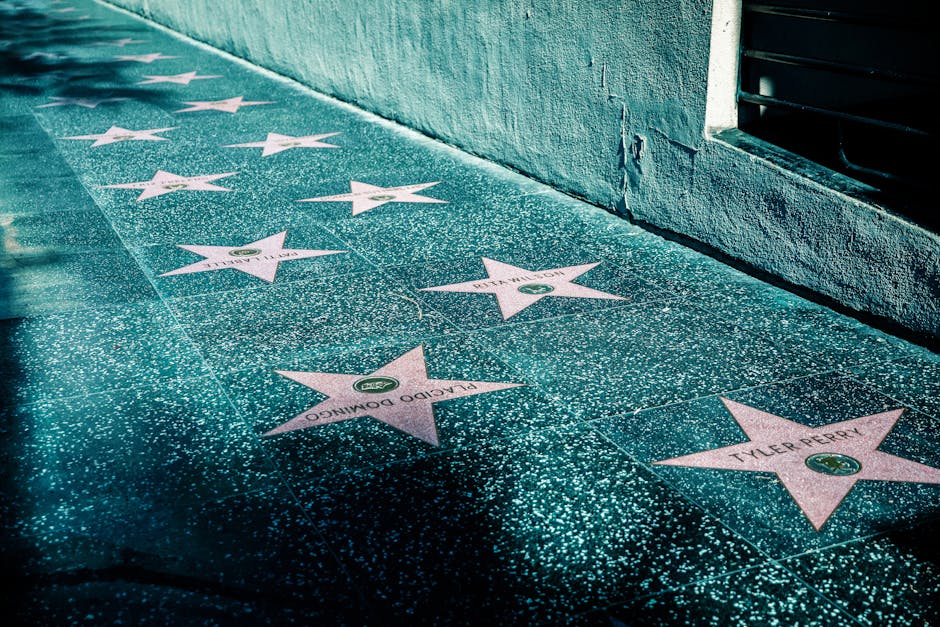
The Hollywood Walk of Fame stands as one of the most iconic landmarks in Los Angeles, attracting millions of visitors each year who come to see the stars embedded in the sidewalk. While most people recognize this famous stretch of Hollywood Boulevard, there are countless fascinating details about this historic monument that remain unknown to even the most dedicated entertainment enthusiasts. From its surprising origins to peculiar rules and unexpected honorees, the Walk of Fame holds secrets that illuminate both Hollywood history and American popular culture.

Behind the Stars: Unveiling the Walk of Fame's Hidden Stories

1. The Walk of Fame Started as a Marketing Scheme

The Hollywood Walk of Fame wasn't created to honor celebrities—it was designed to save a struggling business district. In 1958, Hollywood Boulevard was declining as businesses moved elsewhere, and the Hollywood Chamber of Commerce developed the Walk of Fame as a promotional tool to attract tourists and revitalize the area. The original plan called for 1,500 stars to be installed, and volunteers initially selected honorees from a list compiled by newspapers and entertainment industry publications. This commercial origin explains why the Walk operates differently from traditional halls of fame, focusing as much on publicity as prestige.

2. Getting a Star Costs $75,000

One of the most surprising facts about the Walk of Fame is that honorees—or more accurately, their sponsors—must pay for the privilege. The current fee stands at $75,000, which covers the creation and installation of the star, as well as maintenance costs. Typically, movie studios, record labels, or fan organizations sponsor the stars for their favorite celebrities. This financial requirement means that many deserving artists never receive stars simply because no one is willing or able to pay the fee, while others with questionable credentials but deep-pocketed sponsors secure their place on Hollywood Boulevard.

3. Celebrities Can Decline the Honor

Not every celebrity wants a star on the Walk of Fame, and some notable names have turned down the opportunity. Before anyone receives a star, they must agree to attend the dedication ceremony, which some celebrities consider too commercial or self-promotional. Stars like Julia Roberts, Clint Eastwood, and Bruce Springsteen have either declined or never pursued the honor. Others, like Prince, refused multiple times before eventually accepting. The requirement to appear at the ceremony ensures that each unveiling generates media coverage, fulfilling the Walk's original promotional purpose.

4. Five Different Categories Exist

The stars on the Walk of Fame feature five distinct emblems representing different entertainment categories: a movie camera for motion pictures, a television set for TV, a phonograph record for music recording, a radio microphone for radio, and twin theatrical masks for live theater and performance. Honorees receive stars in specific categories based on their primary contributions to entertainment. Some versatile performers have multiple stars in different categories—Gene Autry holds the distinction of having stars in all five categories, while 33 individuals have been honored with two stars.

5. Fictional Characters Have Stars Too

Among the 2,700-plus stars on the Walk of Fame, not all belong to real people. Fictional characters including Mickey Mouse, Donald Duck, Big Bird, Bugs Bunny, The Simpsons, Shrek, and even Godzilla have received stars. These character stars recognize their cultural impact and the artists who created them. Kermit the Frog received a star in 2002, and Snoopy was honored in 2015. This practice acknowledges that some fictional personalities have become as influential as human entertainers in shaping popular culture and the entertainment industry.

6. The Stars Require Constant Maintenance

Embedded in public sidewalks, the stars endure constant foot traffic, weather exposure, and occasional vandalism. The Hollywood Historic Trust oversees maintenance, and damaged stars are regularly repaired or replaced. Each star consists of terrazzo and brass, with the name and category emblem precisely crafted. Approximately 24 new stars are added annually during public ceremonies that serve as promotional events for upcoming projects. The maintenance budget comes from the sponsorship fees, creating a self-sustaining system that ensures the Walk's preservation without taxpayer funding.

7. Location on the Walk Can Be Strategically Chosen

While sponsors cannot guarantee exact placement, they can request general locations for their honorees' stars. Many stars are strategically positioned near relevant landmarks—for instance, stars for filmmakers often appear near theaters, while musicians' stars might be placed near music venues. Some stars are deliberately positioned together, such as romantic partners or frequent collaborators. The Hollywood Chamber of Commerce considers these requests when available spaces allow, though they maintain final authority over placement to prevent conflicts and ensure equitable distribution along the Walk's 15-block stretch.

8. Muhammad Ali's Star Hangs on a Wall

Boxing legend Muhammad Ali received his star in 2002, but with a unique stipulation—he requested that it not be placed on the ground where people would walk on it. Ali didn't want the name "Muhammad," which he shared with the Prophet Muhammad, to be stepped upon. The Chamber of Commerce honored this request by mounting his star on the wall of the Dolby Theatre, making it the only star not embedded in the sidewalk. This exception demonstrates how the Walk of Fame can adapt its traditions to respect cultural and religious sensitivities.

9. The First Stars Were Installed in 1960

Although the Walk of Fame was conceived in 1958, the first stars weren't permanently installed until March 28, 1960. The initial phase included 1,558 stars, with honorees ranging from classic Hollywood legends to contemporary performers. The first star officially dedicated with a ceremony went to actress Joanne Woodward, though this occurred months after the initial installations. For nearly two decades afterward, no new stars were added until 1978, when the program resumed with monthly dedication ceremonies that continue today, creating an evolving timeline of entertainment history.

10. Tourists Often Search for Stars That Don't Exist

Despite popular belief, many mega-celebrities don't have stars on the Walk of Fame. Some of Hollywood's biggest names, including Tom Cruise, Denzel Washington, and Leonardo DiCaprio, have never been honored, either because they declined, no one sponsored them, or they haven't formally applied through the required nomination process. This surprises tourists who arrive expecting to find their favorite stars' names. The selection process involves nomination, committee approval, sponsor payment, and celebrity agreement—a complex system that excludes many worthy candidates while sometimes including lesser-known figures with proper backing.

Conclusion

The Hollywood Walk of Fame represents far more than a simple tourist attraction—it embodies the complex intersection of art, commerce, and celebrity culture that defines the entertainment industry. From its origins as a promotional strategy to its current status as a cultural landmark, the Walk reveals how Hollywood markets itself while honoring those who built its legacy. These surprising facts demonstrate that behind each star lies a story more intricate than the bronze and terrazzo suggest, reminding visitors that Hollywood itself is built on layers of glamour, business acumen, and carefully constructed mythology. Whether visitors come to photograph their favorite celebrities' stars or simply experience a piece of entertainment history, the Walk of Fame continues fulfilling its original purpose: drawing crowds to Hollywood Boulevard while celebrating the enduring power of stardom.