










1 / 10 Questions
0 Points

Which format war ended with HD DVD's defeat?

Cloud storage war

Browser war

High-definition video disc war

Smartphone OS war

Points won
0
Correct score
0%

More questions

More Articles

Did You Know? 15 Little-Known Facts About World War I

Did You Know? 15 Little-Known Facts About World War I

⏱️ 8 min read

World War I, often called "The Great War," reshaped the modern world in ways that still resonate today. While most people know about the trenches, the assassination of Archduke Franz Ferdinand, and the Treaty of Versailles, there are countless fascinating details that rarely make it into history textbooks. These lesser-known facts reveal the human stories, technological innovations, and unexpected consequences of a conflict that claimed millions of lives and changed the course of history forever.

Surprising Revelations from the Great War

1. The Christmas Truce Was Real and Widespread

On Christmas Eve 1914, something extraordinary happened along the Western Front. German and British soldiers spontaneously emerged from their trenches, exchanged gifts, sang carols together, and even played informal football matches in No Man's Land. This unofficial ceasefire occurred at multiple points along the front lines, involving tens of thousands of troops. However, military commanders on both sides were horrified by this display of humanity and took strict measures to ensure it never happened again. By 1915, soldiers who attempted similar truces faced severe disciplinary action, including court-martial.

2. Animals Received Military Medals for Bravery

Approximately 16 million animals served in World War I, including horses, dogs, pigeons, and even cats. Some of these creatures performed so heroically that they received official recognition. Cher Ami, a carrier pigeon, saved nearly 200 American soldiers by delivering a crucial message despite being shot through the chest and losing an eye and a leg. The pigeon received the French Croix de Guerre medal for its service. Dogs also served as messengers, sentries, and even pulled machine guns and supply carts through treacherous terrain.

3. Plastic Surgery Advanced Dramatically Due to Facial Injuries

The unprecedented nature of trench warfare resulted in horrific facial injuries from shrapnel, bullets, and explosions. New Zealand surgeon Harold Gillies pioneered modern reconstructive surgery techniques at specialized hospitals in England. He performed over 11,000 operations on more than 5,000 servicemen, developing revolutionary methods including skin grafts and the creation of new facial features. His work laid the foundation for modern plastic surgery and helped thousands of severely disfigured veterans return to society.

4. One Million Indian Soldiers Fought for Britain

The British Indian Army contributed more than one million soldiers to the war effort, making it one of the largest volunteer forces in history. These troops fought on multiple fronts, including Europe, Africa, and the Middle East. Indian soldiers served with distinction at major battles like Ypres, Gallipoli, and the Somme. Despite their significant contributions, their role has been largely overlooked in Western historical narratives. Over 74,000 Indian soldiers died during the conflict, and approximately 67,000 were wounded.

5. Tanks Were Initially Called "Water Carriers" as a Cover Story

When Britain developed the first tanks, the project was shrouded in secrecy. To disguise their true purpose, workers were told they were building mobile water carriers for desert warfare. The term "tank" stuck as a shortened version of this cover story. The first tanks were deployed at the Battle of the Somme in September 1916, though mechanical problems limited their effectiveness. Despite their crude design, tanks represented a revolutionary approach to breaking the stalemate of trench warfare.

6. Gas Attacks Killed Fewer Soldiers Than Expected

While chemical weapons like chlorine and mustard gas became synonymous with World War I's horrors, they actually caused only about 3% of combat deaths. However, gas attacks had a profound psychological impact and caused long-term health problems for survivors. An estimated 1.3 million soldiers were affected by chemical weapons during the war, with approximately 90,000 fatalities. The lasting injuries and trauma led to international efforts to ban chemical warfare, culminating in the Geneva Protocol of 1925.

7. Female Spies Played Crucial Espionage Roles

Women served as intelligence agents throughout the war, often taking advantage of contemporary sexism that dismissed them as threats. Mata Hari became the most famous, though her actual espionage work remains disputed. However, agents like Louise de Bettignies gathered vital intelligence for the Allies, running spy networks behind German lines. Belgian woman Gabrielle Petit gathered information on German troop movements and helped Allied soldiers escape. Both women were eventually caught and executed by the Germans, becoming national heroes in their respective countries.

8. The War's Youngest Known Soldier Was Only Twelve

Sidney Lewis lied about his age and enlisted in the British Army at just twelve years old in 1915. He fought at the Battle of the Somme before his mother discovered his service and had him discharged in 1916. Lewis wasn't alone—thousands of underage boys enlisted by lying about their ages, desperate for adventure or economic necessity. The British Army officially required soldiers to be nineteen for overseas service, but recruitment officers often turned a blind eye to obviously false claims.

9. Tsar Nicholas II and King George V Were Cousins Who Looked Alike

The Russian Tsar and British King were first cousins through their mothers and bore a striking physical resemblance to each other. This familial connection made the war particularly tragic from a dynastic perspective, as relatives found themselves on opposing sides. Kaiser Wilhelm II of Germany was also related to both men, making World War I partly a family affair among European royalty. When Nicholas II was overthrown in 1917, George V declined to offer his cousin asylum in Britain, a decision that haunted him after the Tsar's execution.

10. Shell Shock Was First Recognized as a Medical Condition

Before World War I, what we now call post-traumatic stress disorder (PTSD) was poorly understood and often dismissed as cowardice. The psychological trauma of industrial warfare produced symptoms that doctors initially attributed to concussive brain damage from artillery explosions, hence "shell shock." By war's end, approximately 80,000 British soldiers were treated for the condition. Many others suffered silently, and some were executed for desertion or cowardice when they were actually experiencing severe psychological trauma. The recognition of shell shock represented an important step toward understanding mental health in combat.

11. Submarine Warfare Nearly Starved Britain Into Surrender

German U-boats came dangerously close to cutting off Britain's food supply through unrestricted submarine warfare. At the campaign's peak in April 1917, U-boats sank 860,000 tons of Allied shipping in a single month, destroying one in four ships leaving British ports. Britain had only six weeks of wheat reserves remaining before the convoy system and other defensive measures turned the tide. This submarine campaign also brought America into the war after U-boats sank ships carrying American passengers and goods.

12. Soldiers Created Elaborate Underground Cities in Trenches

Trench systems were far more complex than simple ditches. Soldiers excavated elaborate underground networks including living quarters, command posts, hospitals, and supply depots. Some featured electricity, running water, and ventilation systems. The Vimy Ridge tunnels included enough space for thousands of soldiers, with underground tramways for moving supplies. These subterranean cities protected troops from artillery bombardment and harsh weather. Archaeological excavations continue to discover these forgotten underground worlds, complete with personal artifacts left behind by soldiers.

13. The War Created Nearly Ten Million Refugees

World War I displaced unprecedented numbers of civilians. An estimated 10 million people became refugees as armies advanced and retreated across Europe, the Middle East, and Africa. Belgium alone saw 1.5 million people flee German occupation. The Armenian Genocide forced hundreds of thousands to flee, while the Russian Revolution and subsequent civil war created millions more refugees. This mass displacement established patterns of civilian suffering that would become even more pronounced in World War II and later conflicts.

14. Daylight Saving Time Was Introduced to Save Energy

Germany became the first country to implement daylight saving time in April 1916 as a fuel-saving measure during the war. Britain and many other European nations quickly followed. The logic was that extending evening daylight would reduce the need for artificial lighting and conserve coal for the war effort. The United States adopted the practice in 1918. While the actual energy savings were debatable, the practice persisted after the war ended, though its implementation has remained controversial and inconsistent across different regions.

15. The War's Final Casualty Died One Minute Before Armistice

American soldier Henry Gunther was killed at 10:59 a.m. on November 11, 1918—just one minute before the armistice took effect at 11:00 a.m. He was leading a charge against German machine gun positions near Meuse in France. Tragically, both sides knew the war would end that morning, yet fighting continued right up to the final moment. Approximately 11,000 casualties occurred on the war's last day alone, as some commanders insisted on pressing attacks despite the imminent ceasefire. Gunther is officially recognized as the war's last casualty.

The Hidden Legacy of the Great War

These fifteen lesser-known facts illuminate the human dimensions, technological transformations, and far-reaching consequences of World War I. From spontaneous Christmas truces to the development of modern medicine, from the contributions of colonial troops to the suffering of millions of refugees, the Great War touched every aspect of society. Understanding these overlooked details helps us comprehend not just what happened during those four devastating years, but how that conflict fundamentally shaped the world we inhabit today. The echoes of decisions made, technologies developed, and trauma experienced between 1914 and 1918 continue to influence international relations, medical practice, and collective memory more than a century later.

Did You Know? 10 Fascinating Facts About Castles

Did You Know? 10 Fascinating Facts About Castles

⏱️ 8 min read

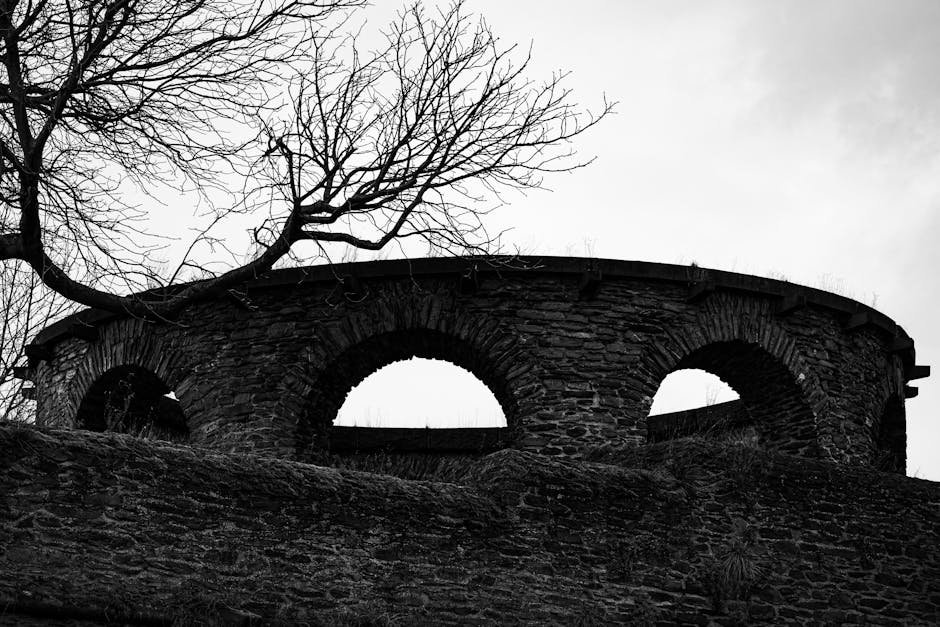
Castles have captured human imagination for centuries, standing as magnificent testaments to medieval ingenuity, power, and architectural brilliance. These fortified structures served as military strongholds, royal residences, and symbols of authority throughout the Middle Ages and beyond. While most people recognize castles from fairy tales and historical dramas, the real stories behind these imposing structures are often more fascinating than fiction. From ingenious defense mechanisms to surprising everyday realities, castles hold secrets that reveal much about medieval life, warfare, and society.

Remarkable Castle Facts That Challenge Common Perceptions

1. Castle Toilets Drained Directly Down Exterior Walls

Medieval castles featured surprisingly sophisticated sanitation systems called garderobes—essentially toilets built into the castle walls. These small rooms contained stone or wooden seats with holes that dropped waste through vertical shafts directly down the exterior walls or into moats below. While this might seem primitive, it was actually quite advanced for the era. The waste would either fall into a cesspit that servants periodically cleaned, or directly into the moat or river. Some clever attackers occasionally attempted to infiltrate castles by climbing up these waste chutes, though such attempts were rare and extremely unpleasant. The garderobe's name actually comes from the French words for "guard robe," as people discovered that hanging clothes in these chambers helped repel moths due to the ammonia fumes.

2. Arrow Slits Were Scientifically Designed for Maximum Protection

The narrow vertical openings in castle walls, known as arrow slits or loopholes, were far more sophisticated than they appear. These defensive features were carefully engineered to provide archers with a wide field of fire while exposing minimal surface area to enemy projectiles. The slits were typically narrow on the outside—sometimes just a few inches wide—but splayed widely on the interior, allowing defenders to shoot arrows at various angles. Different designs served different purposes: cross-shaped slits accommodated crossbows, while circular openings at the bottom were added later for early firearms. The positioning of these slits was mathematically calculated to eliminate blind spots and ensure overlapping fields of fire, creating deadly kill zones for any attacker attempting to scale the walls.

3. Murder Holes Rained Death on Invaders

Among the most fearsome defensive features of medieval castles were murder holes—openings in the ceilings of gatehouses and passageways. When enemies breached the outer gates, defenders could pour or drop various deadly substances through these holes onto the invaders trapped below. Contrary to popular belief, boiling oil was rarely used due to its expense and scarcity; instead, defenders typically used boiling water, quicklime, heated sand, or heavy stones. Quicklime was particularly effective as it would burn skin and, when mixed with water, would create an exothermic reaction causing severe burns. Murder holes also allowed defenders to extinguish fires if attackers attempted to burn down the gates, making them serve both offensive and defensive purposes.

4. Castle Walls Were Deliberately Built at Angles

Medieval architects discovered that sloped or angled walls, called taluses or batters, provided superior defense against siege weapons and mining operations. These thickened, sloping bases served multiple purposes: they made walls more difficult to undermine through tunneling, caused dropped objects to bounce outward into attacking forces, and helped prevent siege towers from reaching the upper walls. The angle also made it harder for battering rams to strike the wall perpendicularly with full force. Additionally, this design provided better structural stability, distributing the wall's weight more effectively and making the fortress more resistant to both siege weapons and earthquakes. This architectural innovation represented a significant evolution in defensive military engineering.

5. The Most Expensive Castle Cost More Than the King's Annual Income

Castle construction required astronomical sums of money, with some projects bankrupting entire regions. Edward I of England spent approximately £27,000 building Conwy Castle in Wales between 1283 and 1289—equivalent to roughly $150 million in today's currency. Even more staggering, this represented more than his entire annual royal income at the time. Building a major castle required hundreds or even thousands of workers, including master masons, carpenters, blacksmiths, and laborers. Materials had to be quarried and transported, sometimes over great distances. The construction of Dover Castle consumed an estimated 4,000 to 6,000 workers over multiple decades. These costs explain why castle building was exclusively the domain of monarchs and the wealthiest nobles, serving as both military necessities and powerful symbols of financial might.

6. Spiral Staircases Were Built Clockwise for Strategic Reasons

The spiral staircases in castle towers almost always turned clockwise when ascending, and this design was no accident. This configuration gave a significant advantage to defenders fighting from above, as most people are right-handed. A defender retreating up the stairs would have the central column on their left, giving their sword arm full range of motion. Meanwhile, attackers climbing the stairs would have the central pillar on their right side, restricting their ability to swing weapons effectively. This subtle architectural choice could mean the difference between life and death during a castle breach. Some castles built by left-handed lords featured counter-clockwise staircases, though these were rare exceptions that proved the rule.

7. Castles Were Originally Painted in Bright Colors

The gray stone castles we see today bear little resemblance to their original appearance. Medieval castles were typically covered in white lime-based plaster and often painted in bright colors both inside and out. Exteriors were frequently whitewashed to protect the stone from weathering, making castles gleaming white landmarks visible for miles. Interiors featured vibrant murals, painted patterns, and colorful decorations on walls and ceilings. This whitewashing and painting served practical purposes: it sealed the stone against moisture, made interiors brighter by reflecting light, and demonstrated wealth and status. The bare stone ruins we associate with castles today only emerged after centuries of abandonment when the plaster eroded away, revealing the gray stone beneath.

8. Concentric Castle Design Revolutionized Medieval Defense

The development of concentric castles—fortifications featuring multiple rings of defensive walls—represented a quantum leap in military architecture. These castles had an inner wall higher than the outer wall, allowing defenders on both levels to fire at attackers simultaneously without obstructing each other. If enemies breached the outer wall, they would find themselves trapped in the killing ground between walls, exposed to fire from multiple directions with nowhere to hide. This design, perfected by Edward I after observing Byzantine and Middle Eastern fortifications during the Crusades, made castles nearly impregnable to medieval siege tactics. Caerphilly Castle in Wales exemplifies this design, with its elaborate system of concentric walls and extensive water defenses creating one of the most formidable fortresses ever built.

9. Some Castles Were Built in Less Than Two Years

While many castles took decades to complete, some were constructed with remarkable speed when urgency demanded it. Richard I of England built Château Gaillard in Normandy in just two years (1196-1198), employing thousands of workers in shifts that continued day and night. The king personally supervised construction and spared no expense, calling it his "fair daughter." This rapid construction was possible through massive resource allocation, simplified designs that prioritized defense over comfort, and the use of prefabricated elements. Motte-and-bailey castles—early timber fortifications built on earthen mounds—could be erected in as little as eight days by a skilled workforce, providing immediate defensive positions during military campaigns. These timber castles served as temporary fortifications until permanent stone structures could be built.

10. Castle Keeps Served as Last-Resort Panic Rooms

The keep, or donjon, was the strongest and most secure structure within a castle, functioning as the medieval equivalent of a fortified panic room. If attackers breached the outer defenses, the lord, his family, and garrison would retreat to this heavily fortified tower, which could withstand siege independently. Keeps contained wells for water, storage for food, and were designed to be defensible by a small force. The walls were typically 10 to 15 feet thick, with the entrance often located on the second floor, accessible only by removable wooden stairs or ladders. Some keeps, like the Tower of London's White Tower, were luxurious residences during peacetime, but their primary purpose was always survival. This final defensive position meant that even if the castle fell, the keep might hold out long enough for reinforcements to arrive or for favorable surrender terms to be negotiated.

The Enduring Legacy of Castle Engineering

These ten fascinating facts reveal that castles were far more than simple stone fortresses. They were sophisticated expressions of medieval engineering, strategic military thinking, and social organization. From their ingenious defensive features like murder holes and spiral staircases to surprising details about their construction costs and colorful appearances, castles embodied the pinnacle of medieval technology and architectural achievement. Understanding these structures provides invaluable insights into how medieval societies approached problems of defense, daily living, and the projection of power. Today's castle ruins, stripped of their plaster and paint, offer only a shadow of their original magnificence, yet they continue to inspire wonder and remind us of an era when these fortifications dominated the landscape and shaped the course of history.