
⏱️ 6 min read
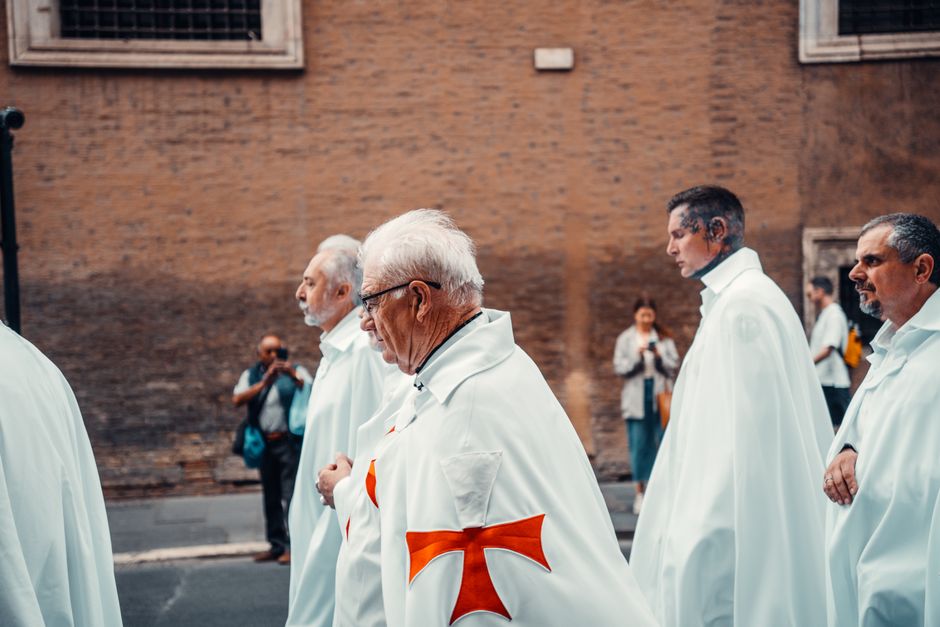
The Knights Templar remain one of history’s most enigmatic and debated military orders, sparking countless theories, legends, and controversies since their dramatic fall in the early 14th century. While much is known about their official role as protectors of Christian pilgrims during the Crusades, numerous references and claims about this secretive order continue to fuel historical debate and skepticism. From alleged treasure hoards to supposed connections with esoteric knowledge, these controversial references have shaped popular perception of the Templars for centuries.
Examining the Most Disputed Claims About the Order
1. The Alleged Discovery of the Ark of the Covenant
One of the most persistent and controversial claims surrounding the Knights Templar involves their supposed discovery of the Ark of the Covenant beneath Solomon’s Temple in Jerusalem. According to this theory, the knights excavated the temple mount during their early years and uncovered not only the Ark but also sacred texts and treasures. Historical records confirm the Templars were headquartered at the Al-Aqsa Mosque, built on the Temple Mount, but no credible archaeological or documentary evidence supports the Ark discovery claim. Critics argue this legend emerged much later, conflating the Templars’ documented excavation activities with biblical mythology.
2. Accusations of Worshiping the Mysterious Baphomet
During the Templar trials of 1307, one of the most damning charges brought against the order was the alleged worship of an idol called Baphomet. Confessions extracted under torture described this entity variously as a head, a cat, or a demonic figure. Modern historians debate whether Baphomet ever existed or was entirely fabricated by King Philip IV of France and Pope Clement V to justify the suppression of the order. Some scholars suggest the term may have been a corruption of “Muhammad,” reflecting contemporary Christian misunderstandings of Islam, while others propose it was pure invention designed to brand the Templars as heretics.
3. The Shroud of Turin Connection
Several researchers have controversially linked the Knights Templar to the Shroud of Turin, claiming the order secretly possessed this relic before its documented appearance in the historical record. Proponents point to the gap in the Shroud’s provenance between the 13th and 14th centuries, coinciding with the Templar period. Some theories suggest the cloth bearing an image allegedly of Christ was the mysterious “head” the Templars were accused of worshiping. However, mainstream historians find this connection speculative at best, noting the absence of contemporary documentation linking the Templars to the Shroud.
4. Templars as the First International Bankers and Economic Manipulators
While the Templars undeniably pioneered sophisticated financial systems, including letters of credit and international money transfers, controversial claims suggest they manipulated European economies and accumulated wealth that threatened monarchies. Some historians argue their banking success was precisely why Philip IV targeted them—he owed substantial debts to the order. Others contend this oversimplifies the political and religious motivations behind their suppression. The controversy centers on whether the Templars were primarily religious warriors who happened to manage finances, or financial institutions disguised as a religious order.
5. The Friday the 13th Curse Origin
A popular but disputed claim attributes the superstition surrounding Friday the 13th to the mass arrest of Templars on Friday, October 13, 1307. According to this theory, this traumatic event for the order became embedded in Western consciousness as an unlucky date. However, folklorists and historians have found no evidence linking Friday the 13th superstitions to the Templar arrests. Documentation of this particular superstition appears only in the 19th century, and earlier medieval sources show no special significance attached to the date combination before the Templar connection was retroactively proposed.
6. Secret Survival and Transformation into Freemasonry
Perhaps no Templar-related controversy generates more debate than claims of a direct lineage between the suppressed medieval order and modern Freemasonry. Various Masonic rites, particularly Scottish Rite degrees, incorporate Templar imagery and narratives. Some historians and Masonic scholars argue that surviving Templars went underground and eventually emerged within Masonic lodges, preserving ancient secrets. Mainstream historical consensus, however, finds no documentary evidence of institutional continuity between the two organizations, suggesting Freemasons adopted Templar symbolism centuries later for romantic and philosophical reasons rather than genuine succession.
7. The Oak Island Money Pit Treasure Legend
The mysterious Oak Island Money Pit in Nova Scotia has been controversially linked to Templar treasure, with theories proposing that fleeing knights transported their wealth across the Atlantic before Columbus. Proponents cite alleged medieval artifacts found on the island and claim the elaborate shaft system resembles European engineering. However, archaeologists and historians note the lack of verifiable medieval European artifacts and point out that most “evidence” consists of ambiguous findings from poorly documented 19th-century excavations. The Templar connection to Oak Island remains highly speculative and unsupported by rigorous archaeological standards.
8. Gnostic Heresy and Alternative Christianity
Some controversial interpretations suggest the Templars secretly practiced Gnostic Christianity or held heretical beliefs about Jesus Christ, perhaps influenced by contact with Eastern religions during the Crusades. These theories often cite the charges brought during their trial, including denying Christ and spitting on the cross. Scholars debate whether such confessions reflected genuine heterodox beliefs or were simply false admissions made under torture. The controversy hinges on whether the Templars were orthodox Christians who fell victim to political machinations or if they genuinely harbored unorthodox theological views that challenged Church authority.
9. Pre-Columbian Voyages to America
Highly controversial theories propose that Templar ships reached North America before Christopher Columbus, establishing settlements or hiding treasures in locations ranging from Nova Scotia to New England. Advocates point to alleged runic inscriptions, unexplained stone structures, and symbols they interpret as Templar markers. The Newport Tower in Rhode Island is frequently cited as evidence of medieval European presence. However, mainstream archaeologists and historians find these claims unsubstantiated, noting that proposed “evidence” typically has more mundane explanations or has been conclusively dated to later periods.
10. Possession of Sacred Geometry and Esoteric Architectural Knowledge
The final major controversy concerns claims that Templars possessed advanced knowledge of sacred geometry, ley lines, and architectural principles derived from Solomon’s Temple or ancient Egyptian sources. Proponents argue that Gothic cathedrals built during the Templar era incorporated this secret knowledge, pointing to mathematical precision and symbolic proportions. Some theories even suggest Templar structures encode hidden messages or align with astronomical phenomena. While the Templars did employ skilled architects and masons, most historians view attributions of secret esoteric knowledge as romantic embellishment rather than historical fact, noting that medieval cathedral building involved well-documented craft guild traditions.
Understanding Historical Fact Versus Legend
The ten controversial references examined here illustrate how the Knights Templar have been transformed from a medieval military-religious order into vessels for modern mythmaking. While the historical Templars were undoubtedly fascinating—warrior monks who achieved remarkable military, financial, and political success—the controversial claims surrounding them often reveal more about later periods’ anxieties and fascinations than about medieval reality. Distinguishing between documented history and speculative theory remains essential for understanding this influential order’s true legacy and why they continue to captivate imagination centuries after their suppression.
