
⏱️ 6 min read
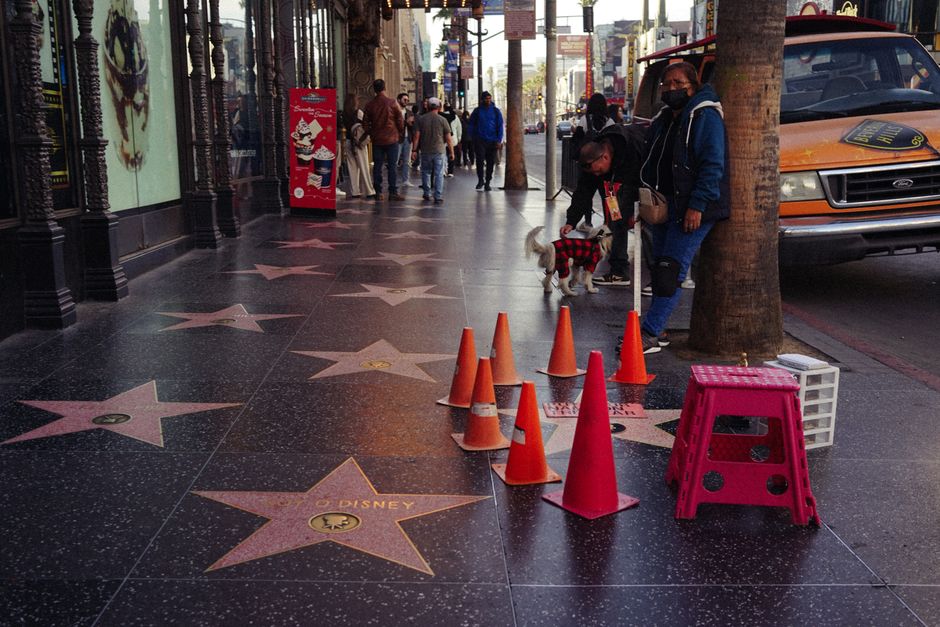
The Hollywood Walk of Fame stands as one of the most recognizable landmarks in entertainment history, stretching along Hollywood Boulevard and Vine Street in Los Angeles. While millions of tourists visit each year to snap photos of their favorite celebrities’ stars, there’s a treasure trove of surprising facts and unusual stories hidden beneath the surface of this iconic monument. From the bizarre selection process to the unexpected names immortalized in terrazzo and brass, the Walk of Fame holds secrets that even dedicated film buffs might find astonishing.
Fascinating Facts Behind the Famous Stars
1. Stars Don’t Come Free – They Come with a Hefty Price Tag
Contrary to popular belief, celebrities don’t receive their Walk of Fame stars as simple honors. The nomination process requires a $75,000 sponsorship fee that covers the creation and installation of the star, as well as maintenance costs. This fee is typically paid by movie studios, record labels, fan clubs, or the celebrities themselves. This financial barrier explains why some beloved entertainers who certainly deserve recognition don’t have stars – nobody has ponied up the cash on their behalf. The Hollywood Chamber of Commerce uses these funds to maintain the entire Walk of Fame, ensuring that all 2,700+ stars remain in pristine condition for generations of admirers.
2. Muhammad Ali’s Star Isn’t on the Ground
Boxing legend Muhammad Ali holds a unique distinction on the Walk of Fame. His star is the only one not embedded in the sidewalk but instead mounted on the wall of the Dolby Theatre. Ali specifically requested this unusual placement because he didn’t want his name to be walked upon, as his name “Muhammad” holds profound religious significance in Islam. This respectful accommodation demonstrates how the Walk of Fame can adapt its traditions to honor individual beliefs while still celebrating extraordinary achievement.
3. The Walk of Fame Rejects More Than It Accepts
The selection process is surprisingly rigorous and exclusive. A special committee meets annually to review hundreds of nominations, but only about 20-30 new stars are added each year. The committee considers factors including professional achievement, longevity in the industry (minimum five years), contributions to the community, and the likelihood that the honoree will attend the ceremony. Shockingly, major stars like Clint Eastwood, Denzel Washington, and Julia Roberts don’t have stars, while lesser-known personalities do. Some celebrities have even declined the honor, including George Clooney, who has publicly stated he doesn’t want one.
4. Fictional Characters Have Been Immortalized in Brass
Not all stars belong to real people. Several beloved fictional characters have received their own stars, including Mickey Mouse, Bugs Bunny, Donald Duck, Kermit the Frog, Big Bird, Woody Woodpecker, Tinker Bell, Snow White, Winnie the Pooh, The Simpsons, and even Godzilla. These characters received stars in recognition of their cultural impact and the entertainment they’ve provided across generations. The characters must meet the same criteria as human nominees, demonstrating professional longevity and significant contributions to entertainment.
5. Five Different Categories Determine Star Symbols
Each star features not just a name but also a symbol representing one of five entertainment categories: motion pictures (film camera), television (TV set), recording (phonograph record), radio (microphone), and live theatre/performance (tragedy/comedy masks). Some versatile entertainers have multiple stars in different categories. Gene Autry holds the record with five stars – one in each category – thanks to his work as a singing cowboy in films, television, music, radio, and live performances. Other multi-star recipients include Bob Hope, Mickey Rooney, Roy Rogers, and Tony Martin.
6. The Original 1978 Stars Were Installed Upside Down
When the Walk of Fame was first created in 1960, the initial installation included 1,558 stars honoring performers from various entertainment fields. However, during a later expansion in 1978, workers accidentally installed several stars upside down, with the emblems pointing in the wrong direction. Rather than removing and reinstalling them, which would have been costly and time-consuming, the Chamber of Commerce decided to leave them as they were. These upside-down stars have become quirky Easter eggs for observant tourists to discover.
7. There’s a Separate Star for Each Twin in Some Cases
The Walk of Fame has an interesting policy regarding twins and groups. Mary-Kate and Ashley Olsen, who built their empire sharing roles and appearing together, received a single star they share. However, other entertainment groups sometimes receive individual recognition. The distinction seems arbitrary at times, with the committee making case-by-case decisions about whether performers should be honored individually or collectively based on how they’re perceived in their professional careers.
8. One Star Honors a Completely Made-Up Person
Perhaps the strangest star belongs to someone who never existed: “Pete Menefee, inventor of the hole-in-one.” This star was supposedly installed as a joke or error in the early days of the Walk of Fame, though the exact origins remain murky. Some historians suggest it was a prank by construction workers, while others believe it resulted from administrative confusion. The Hollywood Chamber of Commerce has neither confirmed nor denied the story, allowing the mystery to persist as one of Hollywood’s enduring urban legends.
9. Stars Can Be Removed for Criminal Activity
While the Hollywood Chamber of Commerce has traditionally maintained that stars are permanent historical monuments that cannot be removed regardless of a recipient’s later actions, this policy has been tested repeatedly. Bill Cosby’s star has been repeatedly vandalized following his conviction, and there have been calls to remove stars from other controversial figures. The Chamber has consistently stated that the Walk of Fame is a historical record of entertainment achievement, not a reflection of moral character, and removing stars would be equivalent to “changing history.”
10. The Most Visited Star Doesn’t Belong to the Biggest Celebrity
While one might expect stars belonging to icons like Marilyn Monroe or Michael Jackson to receive the most attention, the actual most-photographed star belongs to Donald Trump, located directly in front of the busy Hollywood & Highland Center. However, this distinction comes with a caveat – the star is also the most vandalized on the Walk of Fame, having been defaced, destroyed with a pickaxe, and spray-painted numerous times. It requires more frequent maintenance and monitoring than any other star, making it both the most popular and most controversial.
The Enduring Legacy of Hollywood’s Sidewalk
The Hollywood Walk of Fame continues to evolve as new stars are added each year, cementing its place as a living monument to entertainment history. These ten surprising facts reveal that behind the glamorous veneer lies a complex system of politics, finance, controversy, and quirky human decision-making. Whether it’s the pay-to-play nature of the stars, the fictional characters standing alongside real legends, or the mysterious cases of rejected applications and vandalized monuments, the Walk of Fame reflects both the best and most complicated aspects of the entertainment industry it celebrates. For tourists and entertainment enthusiasts alike, knowing these hidden details transforms a simple sidewalk stroll into a journey through the fascinating, often bizarre world of Hollywood history.
