
⏱️ 6 min read
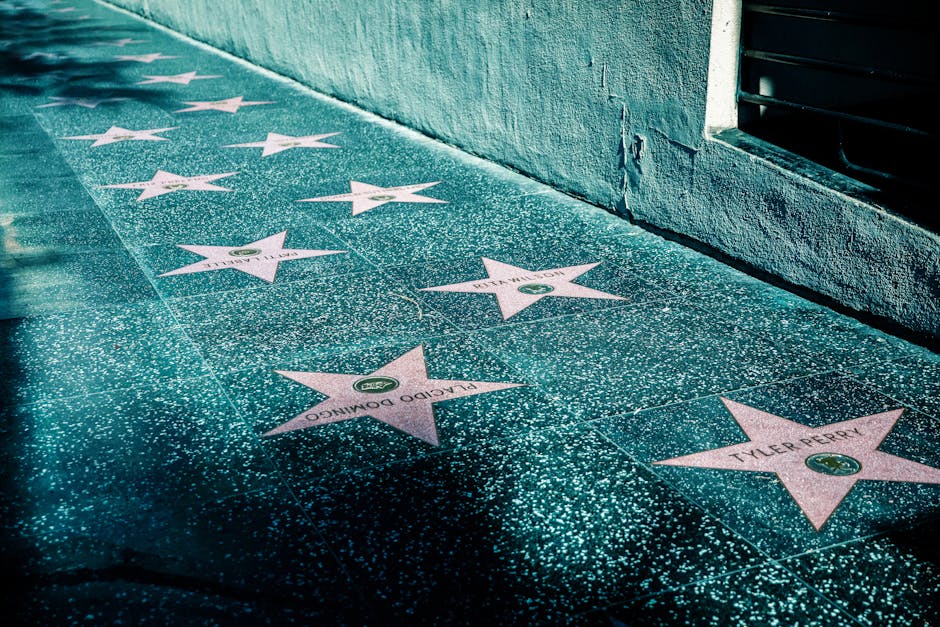
The Hollywood Walk of Fame stands as one of the most iconic landmarks in Los Angeles, attracting millions of visitors each year who come to see the stars embedded in the sidewalk. While most people recognize this famous stretch of Hollywood Boulevard, there are countless fascinating details about this historic monument that remain unknown to even the most dedicated entertainment enthusiasts. From its surprising origins to peculiar rules and unexpected honorees, the Walk of Fame holds secrets that illuminate both Hollywood history and American popular culture.
Behind the Stars: Unveiling the Walk of Fame’s Hidden Stories
1. The Walk of Fame Started as a Marketing Scheme
The Hollywood Walk of Fame wasn’t created to honor celebrities—it was designed to save a struggling business district. In 1958, Hollywood Boulevard was declining as businesses moved elsewhere, and the Hollywood Chamber of Commerce developed the Walk of Fame as a promotional tool to attract tourists and revitalize the area. The original plan called for 1,500 stars to be installed, and volunteers initially selected honorees from a list compiled by newspapers and entertainment industry publications. This commercial origin explains why the Walk operates differently from traditional halls of fame, focusing as much on publicity as prestige.
2. Getting a Star Costs $75,000
One of the most surprising facts about the Walk of Fame is that honorees—or more accurately, their sponsors—must pay for the privilege. The current fee stands at $75,000, which covers the creation and installation of the star, as well as maintenance costs. Typically, movie studios, record labels, or fan organizations sponsor the stars for their favorite celebrities. This financial requirement means that many deserving artists never receive stars simply because no one is willing or able to pay the fee, while others with questionable credentials but deep-pocketed sponsors secure their place on Hollywood Boulevard.
3. Celebrities Can Decline the Honor
Not every celebrity wants a star on the Walk of Fame, and some notable names have turned down the opportunity. Before anyone receives a star, they must agree to attend the dedication ceremony, which some celebrities consider too commercial or self-promotional. Stars like Julia Roberts, Clint Eastwood, and Bruce Springsteen have either declined or never pursued the honor. Others, like Prince, refused multiple times before eventually accepting. The requirement to appear at the ceremony ensures that each unveiling generates media coverage, fulfilling the Walk’s original promotional purpose.
4. Five Different Categories Exist
The stars on the Walk of Fame feature five distinct emblems representing different entertainment categories: a movie camera for motion pictures, a television set for TV, a phonograph record for music recording, a radio microphone for radio, and twin theatrical masks for live theater and performance. Honorees receive stars in specific categories based on their primary contributions to entertainment. Some versatile performers have multiple stars in different categories—Gene Autry holds the distinction of having stars in all five categories, while 33 individuals have been honored with two stars.
5. Fictional Characters Have Stars Too
Among the 2,700-plus stars on the Walk of Fame, not all belong to real people. Fictional characters including Mickey Mouse, Donald Duck, Big Bird, Bugs Bunny, The Simpsons, Shrek, and even Godzilla have received stars. These character stars recognize their cultural impact and the artists who created them. Kermit the Frog received a star in 2002, and Snoopy was honored in 2015. This practice acknowledges that some fictional personalities have become as influential as human entertainers in shaping popular culture and the entertainment industry.
6. The Stars Require Constant Maintenance
Embedded in public sidewalks, the stars endure constant foot traffic, weather exposure, and occasional vandalism. The Hollywood Historic Trust oversees maintenance, and damaged stars are regularly repaired or replaced. Each star consists of terrazzo and brass, with the name and category emblem precisely crafted. Approximately 24 new stars are added annually during public ceremonies that serve as promotional events for upcoming projects. The maintenance budget comes from the sponsorship fees, creating a self-sustaining system that ensures the Walk’s preservation without taxpayer funding.
7. Location on the Walk Can Be Strategically Chosen
While sponsors cannot guarantee exact placement, they can request general locations for their honorees’ stars. Many stars are strategically positioned near relevant landmarks—for instance, stars for filmmakers often appear near theaters, while musicians’ stars might be placed near music venues. Some stars are deliberately positioned together, such as romantic partners or frequent collaborators. The Hollywood Chamber of Commerce considers these requests when available spaces allow, though they maintain final authority over placement to prevent conflicts and ensure equitable distribution along the Walk’s 15-block stretch.
8. Muhammad Ali’s Star Hangs on a Wall
Boxing legend Muhammad Ali received his star in 2002, but with a unique stipulation—he requested that it not be placed on the ground where people would walk on it. Ali didn’t want the name “Muhammad,” which he shared with the Prophet Muhammad, to be stepped upon. The Chamber of Commerce honored this request by mounting his star on the wall of the Dolby Theatre, making it the only star not embedded in the sidewalk. This exception demonstrates how the Walk of Fame can adapt its traditions to respect cultural and religious sensitivities.
9. The First Stars Were Installed in 1960
Although the Walk of Fame was conceived in 1958, the first stars weren’t permanently installed until March 28, 1960. The initial phase included 1,558 stars, with honorees ranging from classic Hollywood legends to contemporary performers. The first star officially dedicated with a ceremony went to actress Joanne Woodward, though this occurred months after the initial installations. For nearly two decades afterward, no new stars were added until 1978, when the program resumed with monthly dedication ceremonies that continue today, creating an evolving timeline of entertainment history.
10. Tourists Often Search for Stars That Don’t Exist
Despite popular belief, many mega-celebrities don’t have stars on the Walk of Fame. Some of Hollywood’s biggest names, including Tom Cruise, Denzel Washington, and Leonardo DiCaprio, have never been honored, either because they declined, no one sponsored them, or they haven’t formally applied through the required nomination process. This surprises tourists who arrive expecting to find their favorite stars’ names. The selection process involves nomination, committee approval, sponsor payment, and celebrity agreement—a complex system that excludes many worthy candidates while sometimes including lesser-known figures with proper backing.
Conclusion
The Hollywood Walk of Fame represents far more than a simple tourist attraction—it embodies the complex intersection of art, commerce, and celebrity culture that defines the entertainment industry. From its origins as a promotional strategy to its current status as a cultural landmark, the Walk reveals how Hollywood markets itself while honoring those who built its legacy. These surprising facts demonstrate that behind each star lies a story more intricate than the bronze and terrazzo suggest, reminding visitors that Hollywood itself is built on layers of glamour, business acumen, and carefully constructed mythology. Whether visitors come to photograph their favorite celebrities’ stars or simply experience a piece of entertainment history, the Walk of Fame continues fulfilling its original purpose: drawing crowds to Hollywood Boulevard while celebrating the enduring power of stardom.
