
⏱️ 6 min read
The American Revolution stands as one of history’s most transformative conflicts, giving birth to a new nation and reshaping the global political landscape. While most people know the basic story of America’s fight for independence, countless fascinating details remain hidden beneath the surface of this monumental struggle. From unexpected alliances to surprising battlefield tactics, the Revolutionary War was filled with remarkable moments that challenge our conventional understanding of this pivotal period.
Extraordinary Revelations from America’s Fight for Independence
1. The Youngest Revolutionary War Combatant Was Only Six Years Old
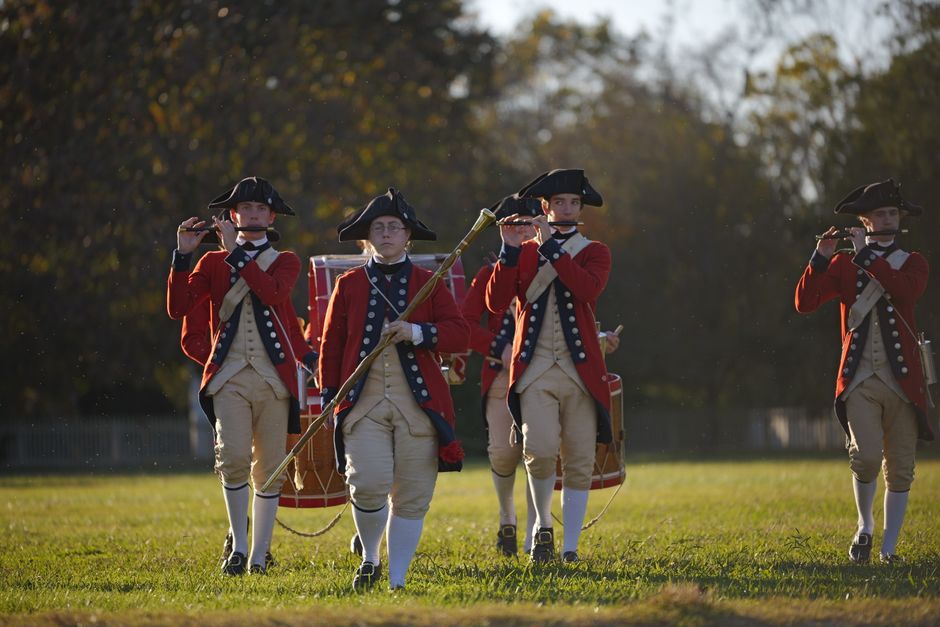
John Quincy Adams, who would later become the sixth President of the United States, witnessed the Battle of Bunker Hill at just eight years old. However, historians have documented cases of even younger participants. Six-year-old John Cook served as a drummer boy during the conflict, while other children as young as seven enlisted as musicians and messengers. These young soldiers weren’t merely symbolic; they performed crucial duties including relaying commands during battle when the noise of combat made verbal orders impossible to hear.
2. Britain Hired Thousands of German Soldiers to Fight Americans
King George III recruited approximately 30,000 German mercenaries, primarily from the state of Hesse-Cassel, to bolster British forces. These “Hessians” comprised nearly one-third of all troops the British deployed to America. Many of these soldiers remained in America after the war, with an estimated 5,000 deserting British service and another 12,000 staying as settlers once the conflict ended, contributing significantly to the German-American population.
3. France’s Crucial Support Nearly Bankrupted Their Kingdom
French assistance proved indispensable to American victory, but it came at an enormous cost. France provided the Continental Army with approximately 1.3 billion livres in loans, military supplies, and naval support. This expenditure represented a massive portion of France’s national budget and contributed significantly to the economic crisis that sparked the French Revolution just six years after the American conflict ended. Ironically, France’s support for American liberty helped precipitate its own revolutionary upheaval.
4. George Washington’s False Teeth Were Not Made of Wood
Contrary to popular myth, George Washington never wore wooden dentures. His multiple sets of false teeth were constructed from various materials including ivory, gold, lead, and actual human teeth, sometimes purchased from slaves. His dental problems began in his twenties, and by the time of his presidency, he had only one natural tooth remaining. These uncomfortable prosthetics affected his appearance and speech, contributing to his reputation for being taciturn.
5. The War Sparked America’s First Submarine Attack
In 1776, American inventor David Bushnell created the Turtle, a one-man submersible designed to attach explosives to British ships. On September 7, 1776, Sergeant Ezra Lee piloted the Turtle in an attempt to sink HMS Eagle in New York Harbor. Though the mission failed when Lee couldn’t penetrate the ship’s hull, this represented the first use of a submarine in combat, pioneering underwater warfare that would evolve dramatically in subsequent centuries.
6. More Revolutionary Soldiers Died from Disease Than Combat
While approximately 6,800 Americans died in battle during the Revolutionary War, an estimated 17,000 perished from disease. Poor sanitation, inadequate medical knowledge, overcrowded military camps, and insufficient nutrition created perfect conditions for typhoid, dysentery, smallpox, and pneumonia to spread rapidly through Continental Army ranks. George Washington’s controversial decision to inoculate his troops against smallpox in 1777 represented one of the first mass military immunization efforts in history.
7. Women Fought Disguised as Male Soldiers
Numerous women served in combat roles by disguising themselves as men. Deborah Sampson enlisted under the name Robert Shurtliff and fought in multiple engagements, even sustaining wounds that she treated herself to avoid medical examination that would reveal her identity. Margaret Corbin took over her husband’s cannon position after he was killed at Fort Washington, earning her a military pension and the distinction of being the first woman to receive such compensation from the U.S. government.
8. The Liberty Bell Never Rang on July 4th, 1776
Despite popular tradition, the Liberty Bell did not ring to announce the Declaration of Independence on July 4, 1776. The Declaration wasn’t actually signed on that date; most delegates signed it on August 2, 1776. The Liberty Bell likely rang on July 8, 1776, when the Declaration was first publicly read in Philadelphia. The famous crack in the bell appeared decades later, and its association with American independence emerged primarily through 19th-century abolitionist movements.
9. Native Americans Fought on Both Sides of the Conflict
The Revolutionary War divided Native American nations, with different tribes choosing different allegiances based on their strategic interests. The Oneida and Tuscarora nations primarily supported the American cause, while the Mohawk, Cayuga, Onondaga, and Seneca generally allied with the British, who had promised to restrict colonial expansion into indigenous territories. These divided loyalties devastated the Iroquois Confederacy, effectively ending centuries of political unity among these nations.
10. Benedict Arnold Was Initially an American Hero
Before becoming synonymous with treason, Benedict Arnold was one of America’s most talented military commanders. He played crucial roles in capturing Fort Ticonderoga, leading the failed invasion of Quebec, and achieving a decisive victory at Saratoga. However, perceived slights, financial difficulties, and disputes with other officers led to his disillusionment. His 1780 plot to surrender West Point to the British transformed his name into a permanent symbol of betrayal in American culture.
11. The War Technically Lasted Eight Years
Though the decisive Battle of Yorktown occurred in October 1781, fighting actually began in April 1775 at Lexington and Concord, and the Treaty of Paris wasn’t signed until September 3, 1783. This made the Revolutionary War one of the longest conflicts in American history. Even after Yorktown, skirmishes continued, British troops remained stationed in American cities, and naval battles persisted until news of the peace treaty reached distant theaters of war.
12. The Revolution Created the World’s First Written Constitution
The United States Constitution, ratified in 1788, became the world’s first written national constitution that remains in effect today. This revolutionary document established a system of checks and balances, federalism, and constitutional government that influenced democratic movements worldwide. The American experiment in creating a government through written law rather than tradition or divine right represented a radical departure from existing political models and inspired constitutional movements across Europe and Latin America.
The Revolutionary Legacy
These twelve remarkable facts illuminate the complexity, sacrifice, and innovation that characterized the American Revolution. From child soldiers to underwater warfare, from French financial ruin to pioneering constitutional government, the revolution encompassed far more than battlefield confrontations between redcoats and minutemen. Understanding these lesser-known aspects provides deeper appreciation for the extraordinary circumstances that birthed the United States and the diverse contributions of countless individuals who shaped this pivotal moment in world history. The revolution’s impact extended far beyond American shores, inspiring democratic movements and constitutional governments that continue to influence global politics more than two centuries later.
