
⏱️ 6 min read
The Middle Ages, spanning roughly from the 5th to the 15th century, remains one of history’s most misunderstood periods. Popular culture, Hollywood films, and outdated textbooks have perpetuated numerous misconceptions about medieval life that simply don’t align with historical evidence. From hygiene practices to scientific knowledge, many beliefs about this era are completely false. Let’s examine fifteen persistent myths that have distorted our understanding of medieval times and discover what life was really like during this fascinating period of history.
Common Misconceptions About Medieval Life
1. People Rarely Bathed and Hygiene Was Non-Existent
One of the most pervasive myths suggests medieval people never bathed and lived in filth. Historical records paint a very different picture. Public bathhouses were common throughout medieval Europe, and many towns had numerous bathing establishments. Medieval people valued cleanliness and bathed regularly, with some records indicating weekly bathing was standard. Soap was widely manufactured and used, and perfumes were popular. The decline in public bathing came later, particularly after the plague years when bathhouses were incorrectly associated with disease transmission.
2. Everyone Believed the Earth Was Flat
Contrary to popular belief, educated medieval Europeans knew the Earth was spherical. This knowledge dated back to ancient Greek scholars and was never lost during the Middle Ages. Medieval universities taught spherical Earth theory, and scholars calculated the planet’s circumference with reasonable accuracy. The flat Earth myth was largely invented in the 19th century to portray the medieval period as ignorant and superstitious.
3. The Dark Ages Were a Time of No Progress
The term “Dark Ages” itself is misleading and largely rejected by modern historians. The medieval period witnessed remarkable innovations including the heavy plough, the horse collar, windmills, watermills, mechanical clocks, eyeglasses, and significant advances in architecture and engineering. Gothic cathedrals remain engineering marvels today. Universities were founded, preserving and expanding knowledge in mathematics, astronomy, medicine, and philosophy.
4. Medieval Peasants Lived in Constant Misery
While life was certainly hard by modern standards, medieval peasants weren’t universally miserable. They actually enjoyed more holidays than most modern workers—sometimes over 150 days per year including religious festivals and saints’ days. Communities were tight-knit, and there was time for entertainment, games, and celebration. Working hours, while seasonal and demanding during harvest, were often shorter than in later industrial periods.
5. Knights Were Chivalrous Heroes
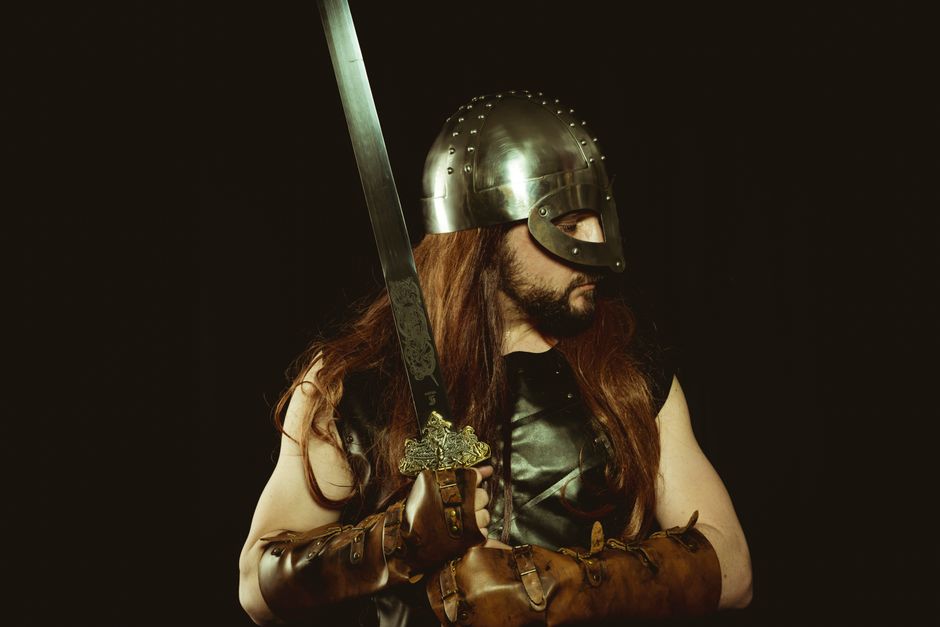
Popular culture depicts knights as noble, gallant warriors devoted to protecting the weak. Reality was more complex. Knights were essentially heavily-armed cavalry soldiers, often brutal in warfare. While codes of chivalry existed, they primarily governed behavior toward other nobles, not commoners. Knights could be mercenaries, bandits, or loyal vassals depending on circumstances, and their conduct in war was frequently ruthless.
6. Women Had No Rights or Power
Medieval women’s lives were constrained by modern standards, but they weren’t completely powerless. Women could own property, run businesses, and manage estates. Noblewomen often governed territories when their husbands were absent. Women worked as brewers, textile workers, merchants, and even doctors. Some wielded considerable political influence, and female monastics had significant autonomy within religious communities.
7. People Married Extremely Young
The notion that girls routinely married at twelve or thirteen is largely false. While nobility sometimes married young for political alliances, most medieval people married in their twenties. Church law set minimum ages at twelve for girls and fourteen for boys, but actual marriage ages were typically much higher. Average marriage age for women was around twenty to twenty-five, and men often married slightly later.
8. The Medieval Diet Was Bland and Monotonous
Medieval cuisine was far more varied and flavorful than commonly believed. Spices were highly valued and widely used among those who could afford them. Medieval cookbooks reveal complex recipes with sophisticated flavor combinations. People ate diverse foods including various meats, fish, vegetables, fruits, nuts, and dairy products. Herbs and spices like pepper, cinnamon, ginger, and saffron featured prominently in cooking.
9. The Catholic Church Banned Scientific Inquiry
The medieval Church actually supported much scientific and philosophical investigation. Monasteries preserved classical texts and were centers of learning. The Church founded universities across Europe where natural philosophy flourished. Many prominent medieval scientists were clergy members. While certain ideas were controversial, the blanket notion of Church opposition to science is anachronistic and oversimplified.
10. Medieval Medicine Was Pure Superstition
Medieval medicine combined traditional knowledge, observation, and theory. While understanding was limited by modern standards, medieval physicians studied anatomy, used herbal remedies with genuine medicinal properties, and performed surgeries including cataract operations and trepanation. Medical schools trained doctors systematically, and many treatments, though imperfect, were based on logical reasoning given available knowledge.
11. Torture and Execution Were Daily Entertainment
Public executions did occur, but they weren’t the constant entertainment depicted in popular culture. Torture was regulated by law and couldn’t be applied arbitrarily. Judicial torture required specific authorization and was governed by rules. Most medieval people never witnessed torture, and executions, while public, were relatively infrequent events meant to demonstrate justice rather than provide routine amusement.
12. People Lived in Constant Fear of the Church
While the medieval Church wielded significant power, most people’s relationship with it was more nuanced than pure fear. The Church provided community structure, education, charity, healthcare, and spiritual comfort. Local clergy were community members who shared their parishioners’ lives. While heresy was seriously treated, the vast majority of people lived without fearing ecclesiastical punishment.
13. Castles Were Cold, Dark, and Uncomfortable
Medieval castles were actually designed for relative comfort given the era’s technology. Tapestries insulated walls and added color. Fireplaces provided heat. Windows, though smaller than modern ones, let in light, and candles and torches illuminated interiors. Larger castles had sophisticated facilities including private chambers, chapels, and even early plumbing systems. Furnishings could be quite luxurious for the wealthy.
14. The Plague Killed Most of Europe’s Population
The Black Death was devastating, but claims it killed two-thirds or more of Europe’s population are exaggerated. Modern estimates suggest mortality rates of 30-50% in affected areas, which varied significantly by region. Some areas escaped relatively lightly while others suffered catastrophically. Europe’s population did recover, though it took generations.
15. Medieval Times Were Uniformly Barbaric and Violent
While violence existed, the Middle Ages weren’t uniquely barbaric. Legal systems existed with courts and established procedures. Most people lived peaceful daily lives farming, trading, and raising families. The period saw the development of common law, merchant codes, and guild regulations. Modern violence statistics suggest contemporary society isn’t necessarily less violent than medieval communities when controlling for population size.
Understanding the True Medieval World
These fifteen myths reveal how thoroughly popular culture has distorted the medieval period. The reality was far more complex, interesting, and nuanced than simple stereotypes suggest. Medieval people were as intelligent, creative, and capable as people of any era, working within their time’s constraints and knowledge. By examining historical evidence rather than relying on myths, we gain appreciation for medieval achievements, understand the period’s genuine challenges without exaggeration, and recognize the foundations laid for modern European civilization. The Middle Ages deserve study as a fascinating period of human history, not dismissal as a dark age of ignorance.
