
⏱️ 7 min read
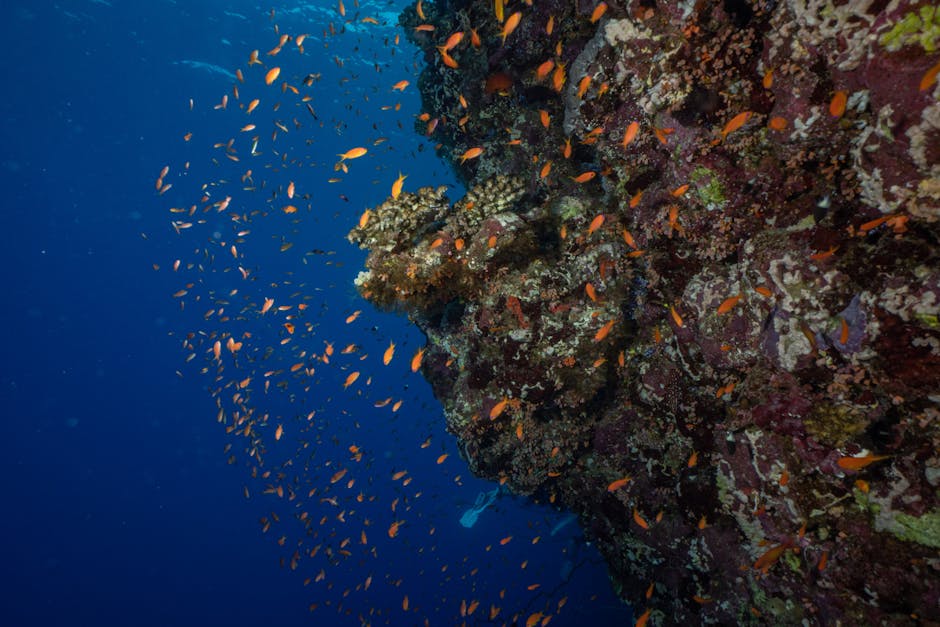
Beneath the ocean’s surface lies one of Earth’s most spectacular and vital ecosystems. Coral reefs, often called the “rainforests of the sea,” represent some of the planet’s most biodiverse habitats, supporting countless marine species while providing essential services to coastal communities worldwide. These underwater wonderlands harbor fascinating secrets and surprising characteristics that many people never learn about. From their ancient origins to their complex relationships with marine life, coral reefs continue to amaze scientists and ocean enthusiasts alike.
Remarkable Coral Reef Facts
1. Ancient Structures Dating Back Millennia
Coral reefs are among the oldest ecosystems on Earth, with some reef structures dating back approximately 50 million years. Individual coral colonies can live for hundreds or even thousands of years, with some massive coral formations being over 4,000 years old. These ancient structures have witnessed dramatic changes in ocean conditions, sea levels, and marine life throughout Earth’s history, making them valuable records of environmental change over vast timescales.
2. Not Plants, But Animal Colonies
Despite their plant-like appearance and stationary lifestyle, corals are actually animals belonging to the phylum Cnidaria, making them relatives of jellyfish and sea anemones. Each coral structure consists of thousands of tiny polyps—soft-bodied organisms measuring just a few millimeters in diameter. These polyps secrete calcium carbonate to form hard protective skeletons, which collectively build the massive reef structures we observe in tropical waters around the world.
3. Symbiotic Relationship with Zooxanthellae
Coral’s vibrant colors and primary food source come from microscopic algae called zooxanthellae that live within coral tissue. This symbiotic relationship is mutually beneficial: the algae receive protection and access to sunlight for photosynthesis, while corals receive up to 90% of their nutritional needs from the sugars produced by their algal partners. This intimate partnership explains why corals require clear, shallow waters where sunlight can penetrate effectively.
4. Supporting a Quarter of Marine Species
Though coral reefs cover less than 1% of the ocean floor, they support approximately 25% of all known marine species. Over 4,000 fish species, along with countless invertebrates, sea turtles, marine mammals, and other organisms depend on coral reefs for food, shelter, and breeding grounds. This incredible biodiversity density makes coral reefs among the most productive and life-sustaining ecosystems on the planet.
5. Natural Coastal Defense Systems
Coral reefs provide critical protection for coastal communities by absorbing wave energy and reducing coastal erosion. Studies indicate that healthy reefs can reduce wave energy by up to 97%, protecting shorelines from storm surges, hurricanes, and everyday wave action. This natural barrier service is valued at billions of dollars annually and becomes increasingly important as climate change intensifies storm patterns and raises sea levels.
6. Growing at Glacial Speeds
Despite their massive size, coral reefs grow extremely slowly. Most reef-building corals add only 0.3 to 2 centimeters to their structures per year, though growth rates vary significantly between species and environmental conditions. Branching corals may grow faster at 10-20 centimeters annually, while massive boulder corals might grow less than one centimeter per year. This slow growth rate makes damaged reefs particularly difficult to restore and emphasizes the importance of conservation.
7. Economic Powerhouses for Human Communities
Coral reefs generate substantial economic benefits, contributing an estimated $375 billion annually to the global economy through tourism, fisheries, and coastal protection. Over 500 million people worldwide depend directly on coral reefs for food, income, and livelihood. Reef-based tourism alone generates billions in revenue for tropical nations, while reef fisheries provide the primary protein source for many island and coastal communities.
8. Pharmaceutical Treasures Beneath the Waves
The unique biochemistry of coral reef organisms has yielded numerous medical discoveries. Compounds extracted from reef species have contributed to treatments for cancer, arthritis, bacterial infections, viruses, and other ailments. Researchers estimate that less than 10% of reef species have been examined for pharmaceutical potential, suggesting that undiscovered medical breakthroughs may still be hiding within these biodiverse ecosystems.
9. Different Types and Geographic Distribution
Coral reefs exist in three main formations: fringing reefs that grow close to shorelines, barrier reefs separated from land by lagoons, and atolls—ring-shaped reefs encircling lagoons without a central island. These reef types form in tropical and subtropical waters primarily between 30° north and 30° south latitude, where water temperatures remain above 18°C (64°F). The Great Barrier Reef, stretching over 2,300 kilometers along Australia’s coast, represents the world’s largest reef system.
10. Coral Bleaching and Environmental Stress
When corals experience environmental stress from elevated water temperatures, pollution, or other factors, they expel their zooxanthellae algae in a process called coral bleaching. Without their colorful algal partners, corals appear white and cannot obtain sufficient nutrition. While corals can recover from bleaching if conditions improve quickly, prolonged bleaching events lead to widespread coral death. Global bleaching events have become increasingly frequent and severe due to climate change.
11. Spawning Spectacles Under Moonlight
Many coral species reproduce through synchronized mass spawning events, releasing eggs and sperm simultaneously into the water column. These spectacular events typically occur on specific nights following full moons, creating underwater “snowstorms” of reproductive cells. Synchronization increases fertilization success and overwhelms predators with sheer abundance. Scientists still don’t fully understand how corals coordinate these events so precisely across vast reef areas.
12. Sound Signatures Attract Marine Larvae
Healthy coral reefs produce distinct soundscapes created by snapping shrimp, fish calls, and other biological activity. Research has demonstrated that these acoustic signatures help guide fish and invertebrate larvae back to reef habitats during their settlement phase. Degraded reefs produce less sound, potentially disrupting larval recruitment and hindering reef recovery. Some conservation projects now use underwater speakers broadcasting healthy reef sounds to attract marine life to restoration sites.
13. Cold-Water Coral Communities
While tropical coral reefs receive the most attention, cold-water corals thrive in deep, dark ocean environments worldwide, including polar regions. These corals don’t require zooxanthellae and survive by capturing food particles from ocean currents. Cold-water coral reefs grow even more slowly than tropical varieties and can be thousands of years old. They provide critical habitat for deep-sea species but remain vulnerable to deep-sea fishing practices and ocean acidification.
14. Declining at Alarming Rates
Coral reefs face unprecedented threats from climate change, ocean acidification, pollution, overfishing, and coastal development. Scientists estimate that the world has lost approximately 50% of its coral reefs over the past 30 years. Without significant intervention, models predict that 90% of reefs could face severe degradation by 2050. Rising ocean temperatures and increasing acidity from absorbed atmospheric carbon dioxide pose the greatest long-term threats to reef survival.
15. Hope Through Conservation and Restoration
Despite dire predictions, conservation efforts offer hope for coral reef futures. Marine protected areas, coral gardening projects, assisted evolution programs, and pollution reduction initiatives show promising results. Scientists are identifying heat-resistant coral strains and developing techniques to help reefs adapt to changing conditions. Successful restoration projects demonstrate that with adequate protection and resources, degraded reefs can recover, though the process requires decades and sustained commitment from local and global communities.
Protecting Ocean Treasures
These fifteen facts barely scratch the surface of coral reef complexity and importance. From their ancient origins and slow growth rates to their critical ecological and economic roles, coral reefs represent irreplaceable natural treasures. Understanding their remarkable characteristics, symbiotic relationships, and current challenges emphasizes the urgency of conservation action. As climate change and human activities continue threatening these ecosystems, protecting coral reefs requires global cooperation, sustainable practices, and innovative restoration approaches. The fate of these underwater rainforests ultimately reflects humanity’s ability to preserve Earth’s biodiversity for future generations.
