
⏱️ 6 min read
Movie props are far more than simple objects used on set—they’re cultural artifacts that define cinema history. From lightsabers to ruby slippers, these items capture the imagination of audiences worldwide and often become as iconic as the films themselves. Behind many of these famous props lie fascinating stories of innovation, accident, and ingenuity that reveal the creativity required to bring cinematic visions to life.
Remarkable Stories Behind Cinema’s Most Memorable Objects
1. The Maltese Falcon’s Weighty Secret
The iconic black bird from the 1941 noir classic “The Maltese Falcon” was crafted from lead and weighed approximately 45 pounds. This substantial weight made it challenging for actors to handle during filming, but it gave the prop an authentic heft that translated perfectly to screen. Only two original statues were made for the production, and they’ve become some of the most valuable movie props ever sold at auction, with one fetching over $4 million.
2. Dorothy’s Ruby Slippers Were Originally Silver
In L. Frank Baum’s original “The Wizard of Oz” novel, Dorothy’s magical shoes were silver, not ruby. MGM Studios changed them to ruby red to take advantage of the new Technicolor filming process, making them pop against the Yellow Brick Road. Several pairs were created for filming, with Judy Garland wearing different sizes as her feet swelled during the long shooting days. These slippers remain among the most recognized props in film history.
3. The Lightsaber’s Humble Origins
The original lightsaber props from “Star Wars” were constructed from camera flash handles, specifically Graflex flash guns from vintage cameras. The distinctive ridged handgrip that became synonymous with Jedi weapons was actually the battery compartment of these photography tools. The iconic sound effect was created by sound designer Ben Burtt combining the hum of an idle film projector with feedback from a damaged television set.
4. Rosebud’s Sled Multiplied for Destruction
For the climactic burning scene in “Citizen Kane,” director Orson Welles needed multiple versions of the Rosebud sled. The production team created several identical props because they could only film the burning sequence once. Interestingly, the name “Rosebud” was reportedly based on William Randolph Hearst’s nickname for his mistress, adding a layer of scandal to the film’s release.
5. Wilson the Volleyball’s Authentic Brand
The volleyball “Wilson” from “Cast Away” was a genuine Wilson Sporting Goods volleyball, and the company initially had concerns about their product being associated with isolation and loneliness. However, the prop became so beloved that Wilson eventually embraced it, creating replica versions for fans. Actor Tom Hanks reportedly became emotionally attached to the prop during filming, making the separation scene genuinely difficult to perform.
6. E.T.’s Construction Took Millions
The beloved extraterrestrial from Steven Spielberg’s “E.T. the Extra-Terrestrial” cost approximately $1.5 million to create. The animatronic figure required a team of puppeteers and technicians to operate, and several versions were built for different scenes. Some of E.T.’s facial expressions were modeled after poet Carl Sandburg, Albert Einstein, and Ernest Hemingway, giving the alien a wise, thoughtful appearance.
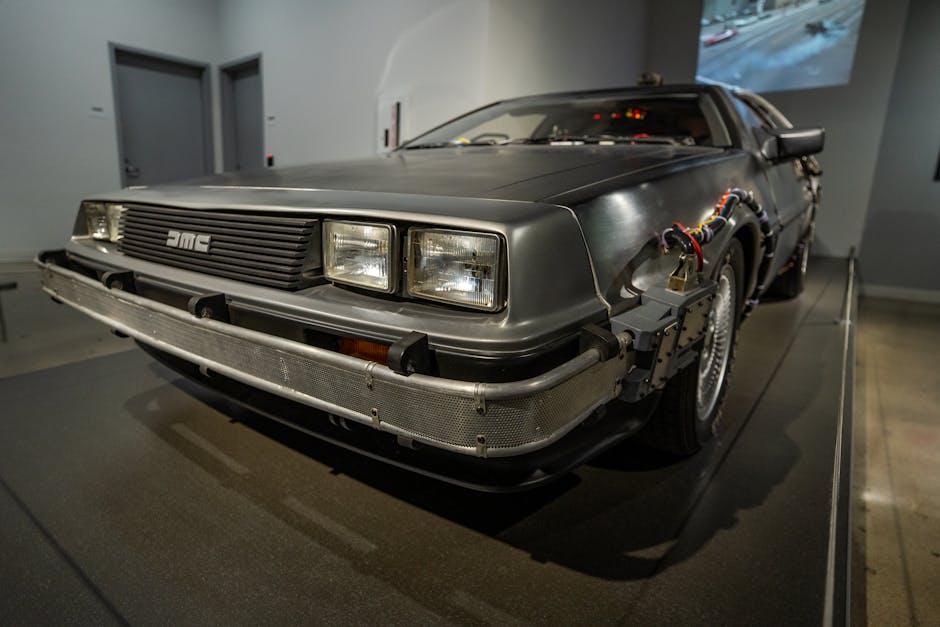
7. The DeLorean’s Nuclear Disguise
The time machine from “Back to the Future” was originally conceived as a refrigerator, but director Robert Zemeckis changed it to a DeLorean DMC-12 car to avoid children climbing into refrigerators in imitation. The DeLorean was chosen partly because its stainless steel body and gull-wing doors made it look futuristic. Three main DeLorean props were created for the trilogy, each modified for specific stunts and scenes.
8. The One Ring’s Multiple Versions
For “The Lord of the Rings” trilogy, the prop department created numerous versions of the One Ring in different sizes to accommodate various shots and actors. Some rings were designed to sit loosely for dramatic dropping scenes, while others fit snugly for close-ups. The inscription on the ring was created in Tengwar script, a writing system invented by J.R.R. Tolkien specifically for his Middle-earth languages.
9. Excalibur’s Lake Mechanism
In John Boorman’s 1981 film “Excalibur,” the famous scene of the Lady of the Lake presenting the sword required innovative underwater rigging. The prop team developed a mechanical arm that could rise smoothly from the water while holding the sword aloft. Multiple backup swords were created because the elaborate armor worn by actors would sink immediately if dropped into the lake.
10. The Chest Burster’s Shocking Debut
The infamous chest burster scene from “Alien” was filmed with genuine surprise reactions from most of the cast. Director Ridley Scott and the special effects team kept the details secret from actors except John Hurt, who wore the mechanical rig. The prop sprayed real blood (actually a mixture of various liquids), and the shocked, horrified reactions from the cast members were authentic first-time responses.
11. Indiana Jones’s Whip Required Expertise
Harrison Ford learned to use a bullwhip specifically for his role as Indiana Jones, training with expert whip-maker David Morgan. The production used over 30 whips during filming because they would fray and break with repeated use. Ford performed many of his own whip stunts, though he accidentally hit himself several times during the learning process.
12. The Terminator’s Endoskeleton Innovation
Stan Winston’s team created the T-800 endoskeleton for “The Terminator” using a combination of practical puppetry and stop-motion animation. The chrome skeleton became so iconic that it’s remained virtually unchanged throughout the franchise. The original puppet required multiple operators and took months to perfect the mechanical movements that made it appear genuinely robotic yet fluid.
13. Hitchcock’s Psycho Chocolate Syrup
The famous shower scene in Alfred Hitchcock’s “Psycho” used Bosco chocolate syrup for blood because it showed up better on black-and-white film than stage blood. The prop knife had a retractable blade, and the scene required seven days to film, using 70 different camera angles. The shower set was deliberately constructed to be smaller than normal to create a sense of claustrophobia.
14. Jack’s Axe From The Shining’s Destruction
In “The Shining,” actor Jack Nicholson actually chopped through a real door during the iconic “Here’s Johnny!” scene. Because Nicholson had previously worked as a volunteer firefighter, he broke through the initial prop door too quickly, forcing the crew to use a real door instead. Several doors were destroyed during multiple takes to capture the perfect shot.
15. Jurassic Park’s Animatronic Rain Malfunction
The full-size Tyrannosaurus Rex animatronic in “Jurassic Park” weighed over 17,000 pounds and occasionally malfunctioned during rainy scenes. The water would soak into the dinosaur’s foam rubber skin, causing the sensors to trigger movements randomly. This created unexpectedly terrifying moments where the T-Rex would shake and move without warning, genuinely startling the crew and sometimes the actors.
The Lasting Legacy of Cinematic Props
These fifteen examples demonstrate how movie props transcend their functional purpose to become cultural touchstones. Whether created through innovative engineering, happy accidents, or meticulous craftsmanship, these objects help define the films they inhabit. They remind us that moviemaking is a collaborative art form requiring creativity, problem-solving, and sometimes pure luck. The next time you watch a classic film, consider the untold stories behind the objects on screen—each prop represents countless hours of work and imagination that contribute to cinema’s enduring magic.
