
⏱️ 6 min read
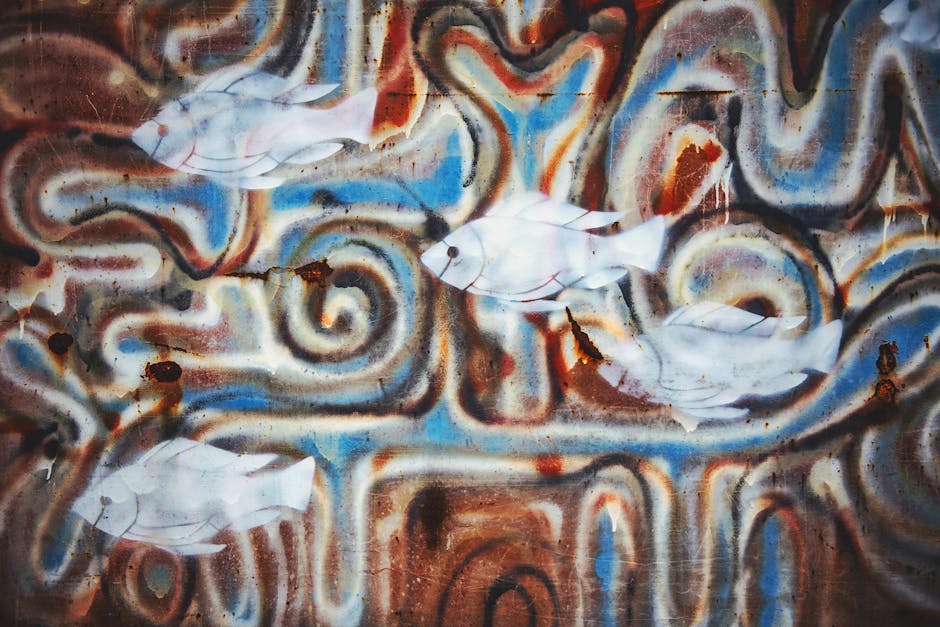
Street art and graffiti have evolved from acts of rebellion into respected forms of artistic expression that transform urban landscapes worldwide. These vibrant works challenge traditional notions of art, blur the lines between vandalism and creativity, and give voice to communities often unheard in mainstream society. From ancient cave paintings to modern aerosol masterpieces, the history and culture surrounding street art reveal fascinating insights into human expression and social commentary.
Exploring the Hidden World of Urban Art
The following facts illuminate the rich history, surprising origins, and cultural significance of street art and graffiti, revealing why these art forms continue to captivate audiences and spark debate across the globe.
1. Ancient Romans Were Early Graffiti Artists
Graffiti is far from a modern phenomenon. Archaeological excavations in Pompeii have uncovered thousands of inscriptions scratched and painted on walls dating back to the first century AD. These ancient writings included political slogans, advertisements, declarations of love, and crude humor, proving that the human impulse to leave marks on public surfaces spans millennia. The word “graffiti” itself comes from the Italian “graffio,” meaning “scratch.”
2. The Birth of Modern Graffiti in Philadelphia
While New York City often receives credit for modern graffiti culture, Philadelphia actually birthed the movement in the late 1960s. Writers like Cornbread and Cool Earl pioneered the practice of tagging their names across the city to gain recognition and notoriety. Cornbread’s legendary status grew when he tagged an elephant at the Philadelphia Zoo and even attempted to tag the Jackson 5’s private jet.
3. Banksy’s Identity Remains One of Art’s Greatest Mysteries
Despite being the world’s most famous street artist, Banksy has successfully maintained anonymity for decades. This mysterious British artist’s identity has spawned countless theories and investigations, yet concrete proof remains elusive. This anonymity has become integral to Banksy’s brand, allowing the work to speak louder than the artist’s persona while also providing protection from legal consequences.
4. Street Art Can Dramatically Increase Property Values
Contrary to assumptions that graffiti decreases property values, authenticated street art by renowned artists can significantly increase real estate worth. Buildings featuring works by artists like Banksy, Shepard Fairey, or Invader have become tourist attractions, with property owners going to great lengths to preserve and protect these pieces. Some murals have been estimated to add hundreds of thousands of dollars to property values.
5. The Largest Street Art Museum Exists Outdoors
The Wynwood Walls in Miami, Florida, has transformed an entire neighborhood into an open-air street art museum. Since 2009, this project has brought together the world’s greatest street artists to create murals on building facades, establishing Wynwood as an international destination for urban art. The district now hosts dozens of galleries, studios, and creative businesses, demonstrating street art’s power to revitalize communities.
6. Graffiti Artists Developed Their Own Complex Language
Street art culture has developed sophisticated terminology and hierarchies. Terms like “toy” (amateur artist), “bomb” (to paint many surfaces), “piece” (elaborate work), “tag” (signature), “throw-up” (quick bubble letters), and “wildstyle” (complex, interlocking letters) represent just a fraction of the vocabulary. Understanding this language is essential to comprehending the culture’s values and internal structure.
7. Jean-Michel Basquiat Started as a Graffiti Artist
Before becoming one of the most expensive artists in history, Jean-Michel Basquiat created graffiti under the tag “SAMO” (Same Old Shit) alongside friend Al Diaz. Their philosophical and poetic statements spray-painted across Manhattan’s Lower East Side caught the attention of the art world, launching Basquiat’s meteoric rise from street artist to gallery darling in the early 1980s.
8. Melbourne Has More Street Art Per Capita Than Any Other City
Melbourne, Australia, has embraced street art more comprehensively than perhaps any other major city. With dedicated legal graffiti lanes like Hosier Lane and AC/DC Lane, the city celebrates urban art as a tourist attraction and cultural asset. Local government policies protect certain works while providing designated spaces for artists, creating a balance between expression and regulation.
9. The Most Expensive Street Art Piece Sold for Millions
Banksy’s “Love is in the Bin,” which self-destructed via a hidden shredder moments after selling at Sotheby’s auction house in 2018 for $1.4 million, was later resold in 2021 for $25.4 million. This astronomical price demonstrates how street art has fully entered the mainstream art market, with collectors paying premium prices for works originally created as anti-establishment statements.
10. Yarn Bombing Represents Graffiti’s Softer Side
Not all street art involves spray paint. Yarn bombing, or guerrilla knitting, emerged in the early 2000s as artists covered public objects with knitted or crocheted material. This gentler form of street art transforms lamp posts, trees, and statues into colorful installations, challenging perceptions about both graffiti and traditional fiber arts while being easily removable and non-damaging.
11. Berlin’s East Side Gallery Preserves Cold War Street Art
The East Side Gallery in Berlin features over 100 murals painted directly on a remaining section of the Berlin Wall. Created by artists from around the world in 1990, following the wall’s fall, this 1.3-kilometer gallery represents the longest open-air gallery in the world and serves as a powerful memorial to freedom and artistic expression triumphing over oppression.
12. Reverse Graffiti Cleans Rather Than Paints
Some street artists have developed a completely legal and environmentally friendly approach called reverse graffiti or clean tagging. Artists like Moose and Paul Curtis create images by selectively cleaning dirt from walls, tunnels, and sidewalks. This technique removes pollution rather than adding paint, making it nearly impossible for authorities to prosecute as vandalism.
13. Street Art Has Its Own Dedicated Festivals Worldwide
Major street art festivals occur annually across the globe, including the Upfest in Bristol (Europe’s largest), POW! WOW! in Hawaii, and the Bushwick Collective Block Party in Brooklyn. These events commission artists to create large-scale murals, host workshops, and celebrate urban art culture, legitimizing street art while maintaining its rebellious spirit and community focus.
14. Technology Has Revolutionized Street Art Documentation
Since street art is often temporary—painted over, removed, or weathered away—digital documentation has become crucial for preservation. Instagram and dedicated apps like Google Street Art allow artists to share their work globally and create permanent records of ephemeral pieces. This technology has democratized access to street art, allowing people worldwide to experience works they might never see in person.
15. Some Cities Now Commission and Pay Street Artists
The relationship between municipalities and street artists has evolved dramatically. Cities like Philadelphia, Los Angeles, and Montreal now run official mural programs that commission and compensate street artists to beautify neighborhoods, combat blight, and reduce illegal tagging. These programs recognize street art’s value in community development, tourism, and cultural identity while providing artists legitimate opportunities to practice their craft.
The Enduring Impact of Urban Expression
Street art and graffiti continue to evolve, challenging boundaries between legal and illegal, art and vandalism, establishment and counterculture. From ancient Roman walls to contemporary Instagram feeds, the human desire to mark public spaces with personal expression remains constant. Whether viewed as beautification or defacement, these 15 facts demonstrate that street art has undeniably become a significant cultural force, influencing contemporary art, urban planning, and social movements worldwide. As cities increasingly recognize its value, street art’s future promises continued innovation, debate, and transformation of the urban landscape.
