
⏱️ 6 min read
The Industrial Revolution stands as one of the most transformative periods in human history, fundamentally altering how societies functioned, how people worked, and how nations developed. This era, spanning roughly from the mid-18th to the mid-19th century, introduced principles and patterns that shaped modern industrial civilization. Understanding these foundational “rules” or principles helps illuminate why this period was so revolutionary and how its effects continue to influence our world today.
The Foundational Principles That Changed Everything
1. Mechanization Replaces Manual Labor
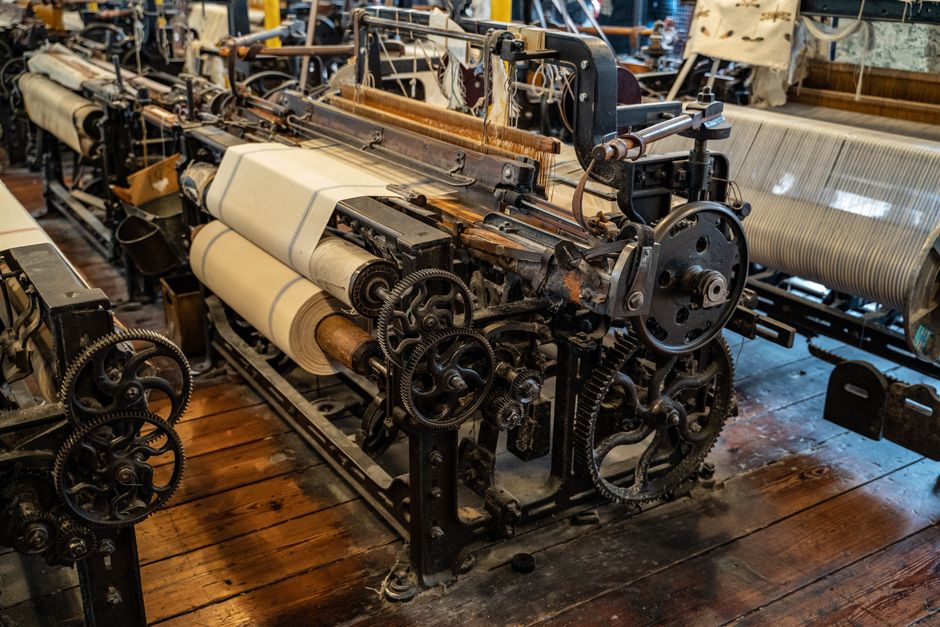
The fundamental principle of the Industrial Revolution was the systematic replacement of human and animal power with machines. This wasn’t merely about making work easier; it represented a complete reimagining of production. Textile mills demonstrated this principle most dramatically, where spinning jennies and power looms could produce in hours what previously took skilled workers days or weeks to complete. This rule established that machinery, once perfected, would inevitably replace manual processes across all industries.
2. Centralization of Production Creates Efficiency
Before industrialization, production occurred in scattered homes and small workshops. The Industrial Revolution established that gathering workers and machines under one roof—the factory system—dramatically increased efficiency. This centralization allowed for better supervision, coordinated workflow, and economies of scale. The factory became the dominant model precisely because it proved that concentrated production outperformed dispersed cottage industries in nearly every measurable way.
3. Capital Investment Drives Innovation
The Industrial Revolution proved that substantial upfront capital investment in machinery and infrastructure would generate unprecedented returns. Entrepreneurs learned that those willing to invest heavily in new technologies and production methods would dominate their markets. This principle transformed economic thinking, establishing that access to capital and willingness to invest in innovation became more important than traditional land ownership or inherited wealth.
4. Steam Power Enables Independence from Natural Limitations
James Watt’s improvements to the steam engine established a crucial principle: human industry need no longer depend on natural power sources like rivers, wind, or animal strength. Factories could be built anywhere, operating continuously regardless of weather or geography. This rule meant that industrial development could occur in locations chosen for strategic, economic, or logistical reasons rather than being bound to waterfalls or windswept plains.
5. Division of Labor Maximizes Productivity
Adam Smith’s pin factory example became industrial gospel: breaking complex tasks into simple, repetitive steps performed by specialized workers dramatically increased output. Each worker mastering one small task could work faster and with greater precision than a craftsman performing all steps. This principle became fundamental to industrial organization, though it transformed skilled artisans into specialized laborers performing repetitive tasks.
6. Standardization Enables Mass Production
The Industrial Revolution established that manufacturing identical, interchangeable parts was essential for efficient production and repair. Eli Whitney’s demonstration of interchangeable musket parts proved that standardization reduced costs, simplified assembly, and made repairs feasible. This principle became foundational to all modern manufacturing, from simple tools to complex machinery.
7. Transportation Infrastructure Determines Economic Success
Industrialists quickly learned that production capacity meant nothing without efficient transportation. Canals, improved roads, and especially railroads became as important as factories themselves. Nations and regions that invested heavily in transportation infrastructure prospered, while those that neglected it stagnated. This rule established that industrial success required thinking beyond the factory floor to entire supply chains and distribution networks.
8. Coal Fuels Industrial Expansion
The Industrial Revolution proved that access to abundant, affordable energy was non-negotiable for industrial development. Coal became the essential commodity, powering steam engines, heating factories, and fueling iron production. Regions with coal deposits gained enormous advantages, while those without it faced significant industrial handicaps. This principle established energy access as a fundamental prerequisite for industrial power.
9. Urbanization Follows Industrialization
A consistent pattern emerged: wherever factories appeared, cities grew rapidly. Workers migrated from rural areas to industrial centers, creating unprecedented urban growth. This wasn’t merely coincidental but represented a fundamental rule of industrial development—mechanized production required concentrated labor forces living near factories. This principle transformed predominantly rural societies into urban ones within a few generations.
10. Technical Education Creates Competitive Advantage
Early industrializers recognized that technical knowledge and engineering expertise were crucial competitive advantages. Nations and companies that invested in technical education, scientific research, and knowledge-sharing prospered. This principle established that industrial leadership required not just copying existing machines but developing the educational infrastructure to innovate and improve technologies continuously.
11. Iron and Steel Production Measures Industrial Capacity
The amount of iron and steel a nation could produce became the primary measure of its industrial strength. These materials were essential for building machines, railways, ships, and structures. The principle was simple: industrial power required mastering large-scale iron and steel production. Nations that achieved this dominated global trade and military power.
12. Factory Discipline Replaces Agricultural Rhythms
Industrialization imposed rigid time discipline unknown in agricultural societies. Factory whistles, punch clocks, and strict schedules replaced the seasonal, daylight-dependent rhythms of farm life. This principle established that industrial work required punctuality, continuous attention, and subordination to machine-paced production schedules—fundamentally changing how humans experienced work and time.
13. Child and Female Labor Expands the Workforce
Early industrialists discovered that women and children could operate many machines, dramatically expanding the available labor force while reducing wage costs. Though eventually reformed through labor legislation, this principle initially shaped industrial development by demonstrating that traditional labor restrictions could be overcome when economic incentives were strong enough.
14. Innovation Cycles Accelerate Continuously
The Industrial Revolution established that technological improvement was not a one-time event but a continuous process. Each innovation created opportunities for further improvements and entirely new technologies. This accelerating cycle of innovation became a defining characteristic of industrial societies, establishing that continuous adaptation and improvement were necessary for survival, not just success.
15. Global Trade Networks Become Essential
Industrialization required access to global markets for both raw materials and finished goods. Cotton from America and India fed British textile mills, whose products sold worldwide. This principle established that successful industrial nations needed not just domestic production capacity but global trade networks, colonial access, or international trade agreements to sustain industrial growth.
The Lasting Legacy of Industrial Principles
These fifteen principles established during the Industrial Revolution continue shaping our world. Modern manufacturing, global supply chains, urban development, and economic policies all reflect lessons learned during this transformative era. Understanding these foundational rules provides essential context for comprehending how industrial societies developed and why they function as they do. The Industrial Revolution wasn’t simply a period of technological change—it established enduring principles about how production, society, and economy could be organized, principles that remain influential more than two centuries later.
