










1 / 10 Questions
0 Points

What secret code did Chinese restaurants use during the Jim Crow era to serve Black customers without openly defying segregation laws?

A red vs. white napkin placement code

A numerical table reservation system

A back door marked with a specific symbol

A separate menu printed in Chinese characters only

Points won
0
Correct score
0%

More questions

More Articles

Did You Know? 10 Film Locations You Can Visit Today

Did You Know? 10 Film Locations You Can Visit Today

⏱️ 6 min read

Movie magic doesn't always happen on soundstages. Some of cinema's most iconic scenes were filmed in real locations that continue to captivate visitors from around the world. These destinations offer fans the opportunity to walk in the footsteps of their favorite characters and experience the settings that helped bring beloved films to life. From sweeping landscapes to urban landmarks, these locations have become pilgrimage sites for film enthusiasts and casual travelers alike.

Iconic Film Destinations Around the Globe

1. The Majestic Steps of "Rocky" in Philadelphia

The Philadelphia Museum of Art steps became an enduring symbol of determination and triumph after Sylvester Stallone sprinted up them in the 1976 classic "Rocky." Located at 2600 Benjamin Franklin Parkway, these 72 stone steps attract thousands of visitors annually who recreate Rocky Balboa's famous training run. The museum has embraced this cinematic legacy, and visitors can even find a bronze statue of Rocky near the bottom of the steps. The location offers not only a connection to film history but also panoramic views of the Philadelphia skyline and the Benjamin Franklin Parkway.

2. The Enchanting Skellig Michael from "Star Wars: The Force Awakens"

Off the coast of County Kerry, Ireland, the ancient monastic settlement of Skellig Michael served as the dramatic backdrop for Luke Skywalker's exile in recent Star Wars films. This UNESCO World Heritage Site sits atop a rocky island rising 714 feet above the Atlantic Ocean. Visitors can climb over 600 ancient stone steps to reach the 6th-century monastery where pivotal scenes were filmed. Due to its significance and fragile ecosystem, access is limited and weather-dependent, making the journey all the more special for those who successfully make the trek.

3. New Zealand's Hobbiton Movie Set from "The Lord of the Rings"

Located in Matamata, New Zealand, the Hobbiton Movie Set has been transformed into a permanent tourist attraction following its role in both "The Lord of the Rings" and "The Hobbit" trilogies. The 12-acre set features 44 hobbit holes built into the rolling hillsides of the Alexander family farm. Visitors can explore Bag End, stroll through the Party Tree, and enjoy a beverage at the Green Dragon Inn. Unlike many film sets that are dismantled after production, Hobbiton was rebuilt with permanent materials, allowing fans to immerse themselves in J.R.R. Tolkien's Middle-earth.

4. The Grand Hotel from "The Grand Budapest Hotel" in Görlitz, Germany

While Wes Anderson's "The Grand Budapest Hotel" used multiple locations, the department store Görlitzer Warenhaus in Görlitz, Germany, served as the film's stunning interior. This Art Nouveau building, dating back to 1913, provided the perfect aesthetic for Anderson's distinctive visual style. The city of Görlitz itself appears throughout the film, with its well-preserved architecture spanning five centuries. Visitors can take guided tours that highlight various filming locations throughout this picturesque German town near the Polish border.

5. Notting Hill's Famous Blue Door in London

The romantic comedy "Notting Hill" made 280 Westbourne Park Road famous as the home of Hugh Grant's character. The iconic blue door became such a tourist attraction that the subsequent homeowners eventually sold it at auction. Though the original door is gone, the location remains a popular stop for film tourists exploring London's charming Notting Hill neighborhood. The area also features the famous Portobello Road Market, which appears prominently throughout the film and operates every day, with the antiques market on Saturdays.

6. Monument Valley's Iconic Buttes from Classic Westerns

Straddling the Arizona-Utah border, Monument Valley Navajo Tribal Park has served as the backdrop for countless westerns, most notably John Ford films like "Stagecoach" and "The Searchers." The towering sandstone formations, some reaching 1,000 feet above the valley floor, create an unmistakable silhouette that has come to define the American West in cinema. Visitors can take guided tours with Navajo guides who share both the filming history and the cultural significance of this sacred landscape. The 17-mile scenic drive provides access to many of the most photographed formations.

7. Dubrovnik's Ancient Walls from "Game of Thrones"

The Croatian city of Dubrovnik served as the primary filming location for King's Landing in HBO's "Game of Thrones." The city's remarkably preserved medieval walls, baroque buildings, and limestone streets provided an authentic backdrop for the show's capital city. Visitors can walk the 1.2-mile circuit of city walls, climb the Jesuit Staircase where Cersei's walk of atonement was filmed, and visit Fort Lovrijenac, which doubled as the Red Keep. The city offers official Game of Thrones tours, though it remains a stunning destination regardless of familiarity with the series.

8. The Timeless Tiffany & Co. Flagship Store from "Breakfast at Tiffany's"

Located at Fifth Avenue and 57th Street in New York City, Tiffany & Co.'s flagship store opened the iconic 1961 film starring Audrey Hepburn. The opening scene of Holly Golightly having breakfast while window shopping remains one of cinema's most memorable moments. The store continues to operate at this location, and visitors can browse the same windows where Hepburn gazed longingly. The building has been expanded and renovated over the years, but it maintains the elegant presence that made it perfect for the film.

9. Scotland's Glenfinnan Viaduct from the "Harry Potter" Series

The Glenfinnan Viaduct in the Scottish Highlands became synonymous with the Hogwarts Express after appearing in multiple Harry Potter films. This 21-arch railway viaduct, completed in 1901, carries the West Highland Line over the River Finnan. Visitors can watch the Jacobite steam train cross the viaduct, creating an authentic recreation of scenes from the films. A viewpoint near the viaduct allows for spectacular photography, and the surrounding landscape offers some of Scotland's most dramatic scenery, including views of Loch Shiel.

10. Central Park's Bow Bridge from Countless Romantic Films

One of New York City's most photographed locations, Bow Bridge in Central Park has appeared in numerous films including "Spider-Man 3," "The Way We Were," and "Autumn in New York." This cast-iron bridge, built in 1862, spans the Lake and connects the Ramble to Cherry Hill. Its graceful 60-foot arch and intricate railings make it a favorite location for filmmakers seeking a romantic urban setting. Unlike many filming locations, Bow Bridge is freely accessible year-round and provides different atmospheric qualities in each season, from cherry blossoms in spring to snow-covered beauty in winter.

Planning Your Cinematic Journey

These ten film locations offer more than just photo opportunities; they provide tangible connections to beloved cinematic moments. Whether climbing ancient steps in Ireland, exploring hobbit holes in New Zealand, or strolling through New York's Central Park, these destinations allow visitors to step into the scenes that captured their imaginations. Each location combines film history with genuine cultural, historical, or natural significance, making them worthwhile visits even for non-film enthusiasts. As cinema continues to shape how we see the world, these locations remind us that movie magic often begins with real places waiting to be discovered.

Top 10 Most Unique Bird Species

Top 10 Most Unique Bird Species

⏱️ 7 min read

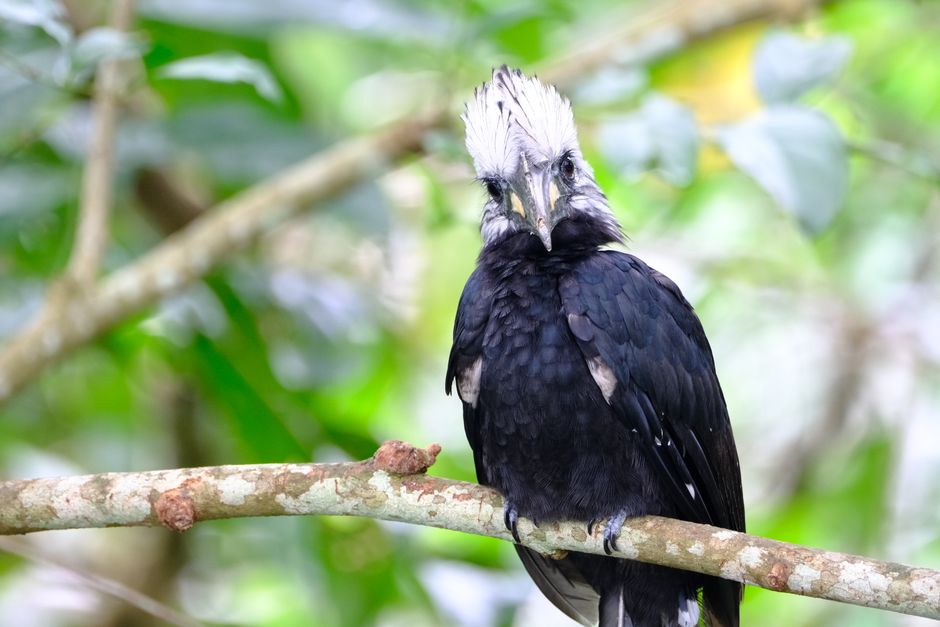
The avian world is filled with extraordinary diversity, showcasing nature's incredible creativity through millions of years of evolution. From remote islands to dense rainforests, certain bird species have developed remarkable adaptations that set them apart from all others. These exceptional creatures display unusual physical features, behaviors, and survival strategies that challenge our understanding of what birds can be. The following exploration reveals ten of the most distinctive bird species on our planet, each representing a unique marvel of natural selection.

Extraordinary Avian Wonders

1. The Shoebill: Africa's Living Dinosaur

Standing up to five feet tall in the wetlands of East Africa, the Shoebill appears as though it stepped directly from the Cretaceous period. This massive bird possesses one of the most distinctive bills in the animal kingdom—a large, shoe-shaped appendage measuring up to 9.5 inches long and 4 inches wide. The bill functions as a formidable hunting tool, capable of decapitating lungfish and small crocodiles with devastating efficiency. Shoebills remain motionless for hours while hunting, demonstrating patience that rivals any predator. Their prehistoric appearance, combined with their statuesque hunting posture and tendency to bow to potential mates or friendly observers, makes them one of nature's most enigmatic creations.

2. The Kakapo: The World's Only Flightless Parrot

New Zealand's critically endangered Kakapo represents an evolutionary paradox—a hefty, ground-dwelling parrot that has lost the ability to fly. Weighing up to nine pounds, these nocturnal birds are the heaviest parrots on Earth. Their moss-green feathers provide excellent camouflage among forest vegetation, while their owl-like facial disc gives them exceptional hearing for navigating in darkness. Kakapos exhibit unusual breeding behavior, with males creating bowl-shaped depressions where they emit deep, booming calls that can travel several miles to attract females. With fewer than 250 individuals remaining, each bird is individually named and monitored, making the Kakapo one of the world's most intensively managed species.

3. The Secretary Bird: Terrestrial Snake Hunter

Standing over four feet tall with crane-like legs, the Secretary Bird of African savannas combines grace with lethal efficiency. This raptor spends most of its time on the ground, stalking through grasslands in search of snakes, lizards, and small mammals. What distinguishes this species is its hunting technique—powerful kicks delivered at incredible speeds to stun or kill venomous snakes, including cobras and puff adders. The bird's quill-like head feathers resemble 19th-century secretaries who tucked pens behind their ears, inspiring its common name. Despite being capable fliers, Secretary Birds prefer terrestrial movement, walking up to 20 miles daily in search of prey.

4. The Hoatzin: The Reptilian Relic

Deep in the Amazon and Orinoco basins lives the Hoatzin, often called the "stink bird" due to its distinctive odor resulting from its unique digestive system. This pheasant-sized bird is the only avian species that ferments vegetation in its crop, similar to how cows digest plant material. Even more remarkable, Hoatzin chicks possess claws on their wings—a primitive feature reminiscent of Archaeopteryx. When threatened, young Hoatzins drop from nests into water below, swimming to safety before using their wing claws to climb back up. This combination of primitive characteristics and specialized adaptations makes the Hoatzin a living window into avian evolutionary history.

5. The Magnificent Frigatebird: Master of Aerial Piracy

With the largest wing-area-to-body-weight ratio of any bird, the Magnificent Frigatebird soars above tropical oceans with unmatched aerial prowess. Males possess a striking scarlet throat pouch that inflates to balloon-like proportions during courtship displays. These birds cannot walk well or take off from flat surfaces, and their feathers aren't waterproof, preventing them from landing on water. Instead, they've perfected kleptoparasitism—harassing other seabirds mid-flight until they regurgitate their catch. Frigatebirds can stay aloft for weeks, even sleeping while gliding on air currents, demonstrating perhaps the most specialized aerial lifestyle of any bird.

6. The Wilson's Bird-of-Paradise: Nature's Technicolor Marvel

On remote Indonesian islands lives the Wilson's Bird-of-Paradise, a species that appears almost artificially colored. Males sport a vibrant turquoise crown, bare blue skin on their heads, yellow neck mantles, and crimson backing. During elaborate courtship displays, males meticulously clear forest floor "courts," removing every leaf and twig to create the perfect stage. They then perform intricate dances, transforming their appearance into a pulsating, iridescent disc that seems to defy natural coloration. This species exemplifies extreme sexual selection, where female preference has driven males to evolve increasingly elaborate ornaments and behaviors.

7. The Kiwi: New Zealand's Honorary Mammal

New Zealand's national symbol challenges conventional bird characteristics so thoroughly that it seems more mammalian than avian. Kiwis possess hair-like feathers, whiskers, nostrils at the tip of their long beaks, and lay eggs that can weigh up to 20% of the female's body weight—proportionally the largest of any bird. They're nocturnal, have poor vision, rely heavily on smell (unusual for birds), and maintain body temperatures several degrees lower than most birds. With vestigial wings hidden beneath their plumage, Kiwis represent an extreme adaptation to ground-dwelling life in an environment historically free from mammalian predators.

8. The Lammergeier: The Bone-Breaking Vulture

Also known as the Bearded Vulture, the Lammergeier has developed one of nature's most specialized diets—it feeds primarily on bone marrow. This magnificent raptor, with its distinctive orange-hued plumage and black "beard," carries bones high into the air before dropping them onto rocky surfaces to shatter them. It can swallow and digest bone fragments up to ten inches long, with stomach acids powerful enough to dissolve them completely within 24 hours. Unlike other vultures that have bald heads, the Lammergeier sports feathered heads since it doesn't need to plunge into messy carcasses. This species occupies a unique ecological niche, extracting nutrients that other scavengers cannot access.

9. The Lyrebird: Nature's Supreme Mimic

Australia's Superb Lyrebird possesses perhaps the most sophisticated vocal abilities of any bird, capable of mimicking virtually any sound with stunning accuracy. These chicken-sized birds can reproduce chainsaws, car alarms, camera shutters, other bird species, and even human speech. Males clear circular display arenas where they perform elaborate courtship dances, fanning their ornate tail feathers into lyre shapes while delivering complex acoustic performances lasting up to 20 minutes. Each male develops a unique repertoire throughout his life, incorporating new sounds encountered in his territory. Their syrinx (vocal organ) is the most complex of any songbird, allowing for this extraordinary mimicry.

10. The Oilbird: The Echolocating Cave Dweller

In the dark caves of Central and South America roosts the Oilbird, the only nocturnal flying fruit-eating bird and one of very few birds capable of echolocation. These reddish-brown birds navigate pitch-black caverns using clicking sounds that bounce off cave walls, similar to bats but using audible frequencies. Oilbirds feast exclusively on oil-rich palm and laurel fruits, feeding their chicks such a lipid-rich diet that nestlings can weigh 50% more than adults. Historically, indigenous peoples harvested these remarkably fat chicks for oil, inspiring the species' common name. Their unique combination of fruit-eating habits, echolocation abilities, and cave-dwelling lifestyle distinguishes them from all other avian species.

The Endless Diversity of Avian Evolution

These ten remarkable species represent merely a fraction of the extraordinary diversity found within the avian world. Each has evolved unique solutions to survival challenges, from the Shoebill's dinosaur-like appearance to the Oilbird's echolocation abilities. Whether adapting to flightlessness, developing specialized diets, or perfecting complex vocalizations, these birds demonstrate nature's boundless creativity. Their existence reminds us that evolution continues to produce creatures that expand our understanding of biological possibilities. Protecting these unique species and their habitats ensures that future generations can continue to marvel at the remarkable variety of life that shares our planet.