




⏱️ 7 min read
The art of storytelling across three films represents one of cinema's greatest challenges. When executed masterfully, a trilogy can create an immersive universe that captures audiences across generations, weaving narratives that build upon each other to deliver a complete and satisfying experience. While Hollywood has produced countless film series, only a select few have achieved true trilogy perfection, balancing artistic vision, commercial success, and cultural impact. These exceptional trilogies have set the standard for serialized storytelling in cinema.
The Defining Characteristics of Great Trilogies
Before exploring the greatest examples, it's important to understand what elevates a trilogy beyond merely being three connected films. The best trilogies maintain consistent quality across all installments, develop characters through meaningful arcs, and present a cohesive vision that justifies the extended format. They avoid the pitfalls of repetition while expanding their universes in organic ways.
1. The Lord of the Rings: Epic Fantasy Perfection
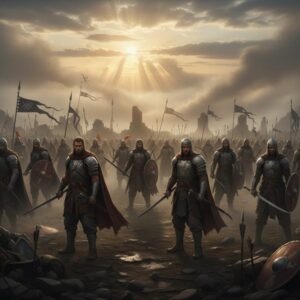
Peter Jackson's adaptation of J.R.R. Tolkien's masterwork stands as perhaps the most acclaimed trilogy in cinema history. Released between 2001 and 2003, "The Fellowship of the Ring," "The Two Towers," and "The Return of the King" redefined the fantasy genre and demonstrated that ambitious literary adaptations could succeed on an epic scale. The trilogy swept the Academy Awards, with "The Return of the King" winning all eleven Oscars for which it was nominated. Beyond technical excellence, these films created a fully realized world with emotional depth, stunning visuals, and groundbreaking special effects that seamlessly blended practical and digital techniques. The trilogy's dedication to filming all three movies simultaneously ensured remarkable consistency in tone, casting, and production values.
2. The Godfather Saga: Crime Drama Excellence
Francis Ford Coppola's examination of the Corleone family across three films created the template for prestige crime cinema. Released in 1972, 1974, and 1990, the trilogy traces the transformation of Michael Corleone from reluctant outsider to ruthless mob boss, while exploring themes of family, power, and the corruption of the American Dream. The first two films are widely considered among the greatest movies ever made, with Part II achieving the rare feat of matching or surpassing its predecessor. While Part III remains more divisive, the trilogy as a whole represents an unparalleled achievement in character development and thematic consistency, with Marlon Brando and Al Pacino delivering career-defining performances.
3. The Dark Knight Trilogy: Superhero Realism
Christopher Nolan revolutionized superhero cinema with his grounded approach to Batman across "Batman Begins" (2005), "The Dark Knight" (2008), and "The Dark Knight Rises" (2012). By treating comic book material with the seriousness of crime dramas and psychological thrillers, Nolan created a trilogy that explored themes of fear, chaos, and redemption while delivering spectacular action sequences. Heath Ledger's posthumously Oscar-winning performance as the Joker in the second film elevated superhero villainy to new heights. The trilogy's influence on the genre cannot be overstated, inspiring countless filmmakers to attempt similar tonal sophistication in their adaptations.
4. The Original Star Wars Trilogy: Space Opera Foundation
George Lucas's original trilogy—"A New Hope" (1977), "The Empire Strikes Back" (1980), and "Return of the Jedi" (1983)—fundamentally changed cinema and popular culture. These films created the modern blockbuster template while telling a timeless hero's journey story set in a galaxy far, far away. The trilogy's impact extends beyond entertainment into technology, merchandising, and cultural mythology. Despite being the middle chapter directed by someone other than Lucas, "The Empire Strikes Back" is often cited as the strongest entry, demonstrating how different directorial voices could enhance a unified vision. The trilogy's practical effects, John Williams's iconic score, and archetypal storytelling ensure its continued relevance decades later.
5. The Dollars Trilogy: Western Reinvention
Sergio Leone's collaboration with Clint Eastwood redefined the Western genre through "A Fistful of Dollars" (1964), "For a Few Dollars More" (1965), and "The Good, the Bad and the Ugly" (1966). Though not narratively connected, these "Spaghetti Westerns" share stylistic consistency and the iconic Man with No Name character. Leone's operatic approach to violence, extreme close-ups, and Ennio Morricone's revolutionary scores created a new cinematic language that influenced filmmakers worldwide. The trilogy stripped away Hollywood Western romanticism, presenting morally ambiguous antiheroes in harsh, unforgiving landscapes.
6. The Before Trilogy: Romance Through Time
Richard Linklater's intimate examination of a relationship across "Before Sunrise" (1995), "Before Sunset" (2004), and "Before Midnight" (2013) represents a unique achievement in cinema. Filmed nine years apart, the trilogy follows Jesse and Céline through different life stages, with Ethan Hawke and Julie Delpy co-writing scripts that feel spontaneous and authentic. The films' commitment to real-time conversation and minimal plotting creates profound emotional resonance, demonstrating that compelling cinema need not rely on spectacle. The trilogy's exploration of love, time, and compromise feels increasingly poignant as the characters age alongside their actors.
7. The Bourne Trilogy: Action Intelligence
Doug Liman and Paul Greengrass's first three Jason Bourne films—"The Bourne Identity" (2002), "The Bourne Supremacy" (2004), and "The Bourne Ultimatum" (2007)—revolutionized action cinema with their kinetic editing, practical stunts, and intelligent plotting. Matt Damon's portrayal of the amnesiac assassin grounded the spy genre in post-9/11 paranoia and moral complexity. The trilogy's influence on action filmmaking, particularly its shaky-cam documentary style and brutal hand-to-hand combat sequences, reshaped audience expectations and inspired countless imitators, including a grittier approach to James Bond.
8. The Toy Story Trilogy: Animation Maturation
Pixar's first three Toy Story films (1995, 1999, 2010) grew alongside their audience, maintaining consistent quality while deepening emotional stakes. The trilogy pioneered computer animation while telling increasingly sophisticated stories about friendship, obsolescence, and mortality. Each installment raised the technical bar while exploring how toys cope with their owners' aging. "Toy Story 3's" devastating climax at the incinerator and bittersweet conclusion demonstrated that animated films could achieve profound emotional depth, earning the trilogy critical acclaim and commercial success across fifteen years.
9. The Vengeance Trilogy: Psychological Extremes
Park Chan-wook's thematically linked trilogy—"Sympathy for Mr. Vengeance" (2002), "Oldboy" (2003), and "Lady Vengeance" (2005)—explores revenge's destructive nature through visceral, stylistically bold filmmaking. While sharing no narrative connections, these Korean films examine how vengeance corrupts both perpetrators and victims. "Oldboy" achieved international recognition for its shocking plot twists and iconic action sequences, particularly the single-take corridor fight. The trilogy's unflinching approach to violence and moral ambiguity challenged conventional storytelling while establishing Park as a master filmmaker.
10. The Mad Max Trilogy: Post-Apocalyptic Vision
George Miller's original Mad Max films (1979, 1981, 1985) created the post-apocalyptic action genre's visual language and thematic concerns. From the relatively grounded first film through "The Road Warrior's" influential chase sequences to "Beyond Thunderdome's" mythological scope, the trilogy expanded its world while maintaining focus on survival in collapsed civilization. The films' practical stunt work, imaginative production design on modest budgets, and Mel Gibson's iconic performance established templates that countless films have followed. The trilogy's influence extends from action cinema to fashion, inspiring decades of post-apocalyptic imagery.
The Lasting Legacy of Great Trilogies
These ten trilogies demonstrate that three-film narratives can achieve what single movies cannot: complex character development, expansive world-building, and thematic depth that rewards sustained audience investment. Whether through fantasy epics, intimate character studies, or genre reinventions, these trilogies have shaped cinema's evolution and continue influencing filmmakers today. Their success lies not merely in commercial performance but in their ability to create complete artistic statements that justify their extended format. As streaming platforms and franchise filmmaking dominate contemporary cinema, these trilogies remind us that quality, vision, and storytelling craft remain paramount. They prove that audiences will embrace ambitious, multi-part narratives when filmmakers deliver consistent excellence and respect their intelligence.