










1 / 10 Questions
0 Points

What classic board game features Colonel Mustard?

Clue

Risk

Scrabble

Monopoly

Points won
0
Correct score
0%

More questions

More Articles

Top 10 Unusual Facts About Famous Kings and Queens

Top 10 Unusual Facts About Famous Kings and Queens

⏱️ 6 min read

Throughout history, monarchs have captivated our imagination with their power, influence, and dramatic lives. While textbooks often focus on their military conquests and political achievements, the personal quirks and lesser-known aspects of royal life reveal fascinating insights into these legendary figures. From bizarre medical conditions to unexpected talents and peculiar habits, these unusual facts about famous kings and queens demonstrate that behind the crowns and thrones were individuals with extraordinary—and sometimes eccentric—characteristics.

Royal Revelations from the Throne Room

1. King George III's Purple Problem

King George III of Britain, who ruled during the American Revolution, is often remembered for his alleged madness. However, modern medical analysis suggests he likely suffered from porphyria, a rare blood disorder that can cause purple-tinted urine and severe mental disturbances. The condition, which can be hereditary, resulted in episodes where the king would speak nonsensically for hours, talk to trees, and once allegedly tried to shake hands with a branch, believing it to be the King of Prussia. His illness significantly impacted British politics during crucial moments in history, including the loss of the American colonies.

2. Queen Christina of Sweden's Gender-Defying Reign

Queen Christina of Sweden, who ruled in the 17th century, refused to marry and often dressed in men's clothing, leading to centuries of speculation about her gender identity. She rejected feminine attire, slept only three to four hours per night, and spent her time studying philosophy and collecting art. Even more unusual, she voluntarily abdicated her throne at age 28, converted to Catholicism—forbidden in Protestant Sweden—and moved to Rome, where she continued to scandalize society by wearing men's clothing and refusing to conform to expected female behavior.

3. King Henry VIII's Jousting Accident That Changed History

While King Henry VIII is famous for his six wives, a traumatic jousting accident in 1536 may have dramatically altered his personality and England's future. The king was unconscious for two hours after being thrown from his horse while wearing heavy armor. Medical historians believe this head injury, combined with an infected leg wound that never healed, may have caused brain damage that explained his increasingly tyrannical behavior, paranoia, and dramatic personality change in his later years.

4. Cleopatra's Linguistic Genius

Cleopatra VII of Egypt, often portrayed primarily for her beauty and romantic liaisons, was actually a formidable intellectual who spoke nine languages fluently. She was the first Ptolemaic ruler in nearly 300 years to actually learn Egyptian, allowing her to communicate directly with her subjects without translators. Her linguistic abilities included Greek, Egyptian, Hebrew, Aramaic, Latin, and several other languages of neighboring territories, making her an exceptional diplomat and strategist in her own right, far beyond the seductress stereotype often portrayed.

5. King Frederick the Great's Canine Obsession

Frederick II of Prussia, known as Frederick the Great, was one of history's most successful military commanders, yet he had an extraordinary attachment to his Italian greyhounds. He owned numerous dogs throughout his life and insisted on being buried with his favorite greyhounds when he died. His last wishes were ignored for over 200 years until 1991, when his remains were finally reburied at his palace with his beloved dogs beside him, as he had originally requested.

6. Queen Elizabeth I's Deadly Makeup

Queen Elizabeth I of England created her iconic pale appearance using a foundation called "Venetian ceruse," which was made primarily of white lead and vinegar. This toxic cosmetic gradually poisoned her skin, causing scarring and hair loss, which led her to apply even more makeup to cover the damage. The lead-based cosmetics likely contributed to her health problems in later life. She also lost most of her teeth due to her love of sugar, which was an expensive luxury at the time, and would stuff cloth in her cheeks to maintain the appearance of a full face.

7. King Louis XIV's Bath Aversion

The Sun King, Louis XIV of France, who built the magnificent Palace of Versailles, reportedly only bathed twice in his entire adult life. Like many Europeans of his era, he believed that water could carry diseases through the pores. Instead, he changed his shirts multiple times daily and used perfumes liberally to mask body odor. This practice was common among European nobility of the time, who preferred "dry cleaning" themselves by rubbing their bodies with white linen cloths.

8. Emperor Nero's Olympic Scandal

Roman Emperor Nero, known for his tyrannical rule, competed in the Olympic Games in 67 AD, where he "won" every competition he entered—including a chariot race he didn't even finish after falling from his chariot. The judges still awarded him first place, too terrified to offend the emperor. Nero also competed in musical and theatrical events, which weren't even part of the traditional Olympic program but were added specifically for him. He returned to Rome with 1,808 first-place prizes from his tour of Greece.

9. Queen Victoria's Unusual Mourning Ritual

After Prince Albert's death in 1861, Queen Victoria wore black mourning clothes for the remaining 40 years of her life. However, her grief took even more unusual forms: she had Albert's clothes laid out daily, his shaving water refreshed each morning, and she slept beside a plaster cast of his hand. She also insisted on carrying a photograph of his corpse on his deathbed and kept detailed measurements and locks of hair from all her children and grandchildren throughout her life.

10. King Charles VI of France's Glass Delusion

King Charles VI of France suffered from a bizarre psychiatric condition where he believed he was made of glass and would shatter if touched. He had iron rods sewn into his clothing to "protect" himself and refused to allow people to come near him. During episodes of his mental illness, which lasted throughout much of his 42-year reign, he would run through his palace screaming, sometimes not recognizing his wife and children. He once forgot he was king and didn't recognize his own name. Despite his condition, he remained on the throne, with various nobles ruling in his stead during his episodes.

Understanding Royalty Through Unusual Details

These peculiar facts about famous monarchs remind us that historical figures were complex human beings with the same vulnerabilities, eccentricities, and struggles as ordinary people—magnified by the extraordinary circumstances of their positions. From medical conditions that shaped political decisions to personal quirks that influenced court culture, these unusual details provide a more complete picture of royal life. Understanding these aspects of history helps us recognize that behind the grand portraits and official histories were individuals dealing with unique challenges, making these legendary figures somehow more relatable despite the centuries that separate us from their reigns.
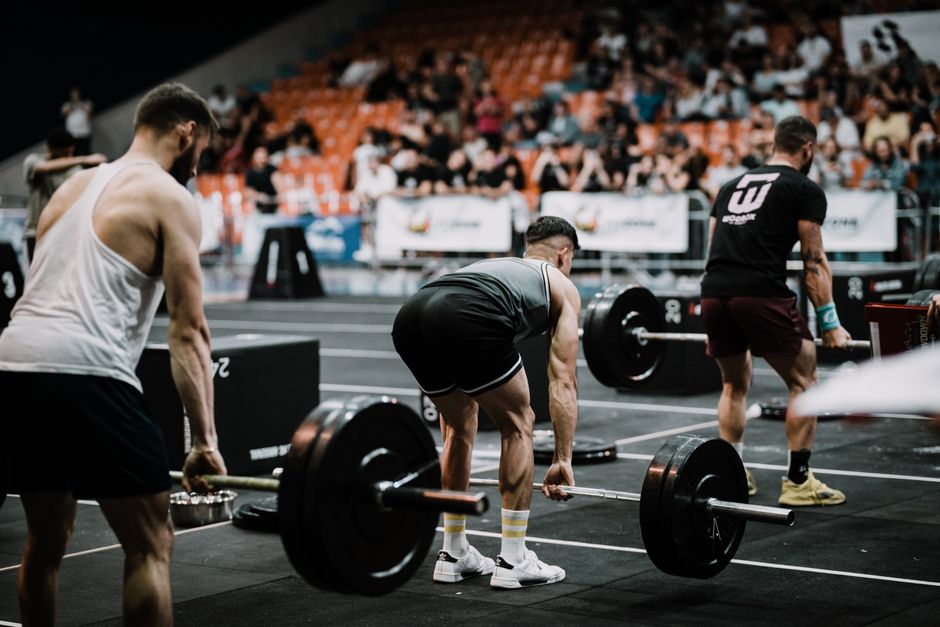

Did You Know? 15 Amazing Facts About Sports Nutrition

Did You Know? 15 Amazing Facts About Sports Nutrition

⏱️ 6 min read

Sports nutrition is a fascinating field that combines science, performance optimization, and human physiology in remarkable ways. Whether you're a professional athlete, weekend warrior, or fitness enthusiast, understanding how nutrition impacts athletic performance can transform your results. The following insights reveal surprising truths about how our bodies process fuel during exercise and recovery, challenging common assumptions while providing evidence-based strategies for peak performance.

Groundbreaking Discoveries in Athletic Fueling

1. Chocolate Milk Rivals Expensive Recovery Drinks

Research has consistently shown that chocolate milk provides an optimal 3:1 or 4:1 carbohydrate-to-protein ratio that matches or exceeds expensive commercial recovery beverages. Studies conducted at several universities have demonstrated that athletes who consumed chocolate milk after intense workouts experienced similar or superior muscle recovery compared to those using specialized sports drinks, all while saving considerable money.

2. Timing Your Protein Intake Is More Complex Than You Think

While the famous "anabolic window" suggests you must consume protein within 30 minutes post-workout, recent research indicates this window may actually extend up to several hours. More importantly, total daily protein intake and distribution across meals appears to matter more than obsessing over immediate post-workout consumption, especially for recreational athletes who aren't training multiple times daily.

3. Athletes Need Far More Carbohydrates Than Most People Realize

Endurance athletes performing high-intensity training may require between 5-12 grams of carbohydrates per kilogram of body weight daily. For a 70kg athlete, this translates to 350-840 grams daily—far exceeding what many athletes actually consume. This chronic under-fueling of carbohydrates is a primary reason many athletes hit plateaus or experience unexplained fatigue.

4. Beetroot Juice Can Lower Oxygen Cost of Exercise

Beetroot juice contains high levels of dietary nitrates that convert to nitric oxide in the body, improving blood flow and reducing the oxygen cost of exercise by up to 5%. This seemingly small improvement can translate to significant performance gains, particularly in endurance events. Studies show consuming beetroot juice 2-3 hours before competition provides optimal benefits.

5. Dehydration of Just 2% Body Weight Impairs Performance

Losing as little as 2% of body weight through sweat can reduce athletic performance by 10-20%. For a 150-pound athlete, this means losing just 3 pounds of fluid. Even more concerning, thirst is not a reliable indicator of hydration status—by the time you feel thirsty during exercise, you may already be significantly dehydrated.

6. Caffeine Remains the Most Effective Legal Performance Enhancer

Caffeine is one of the few ergogenic aids with overwhelming scientific support, improving endurance performance, power output, and cognitive function during competition. The effective dose ranges from 3-6 mg per kilogram of body weight, consumed 30-60 minutes before exercise. Interestingly, habitual coffee drinkers still experience performance benefits despite caffeine tolerance.

7. Female Athletes Have Unique Nutritional Needs Based on Menstrual Cycles

Hormonal fluctuations throughout the menstrual cycle significantly impact nutrient needs, metabolism, and performance. During the luteal phase, metabolic rate increases by approximately 5-10%, requiring additional caloric intake. Iron needs are also substantially higher for female athletes due to menstrual losses, with many female athletes suffering from undiagnosed iron deficiency that impairs performance.

8. Gut Training Is Essential for Endurance Athletes

The digestive system can be trained to process more fuel during exercise, much like training muscles. Elite endurance athletes can absorb up to 90 grams of carbohydrates per hour during competition, while untrained guts may only handle 30-40 grams. Practicing nutrition strategies during training sessions prepares the gastrointestinal system for race-day fueling demands.

9. Plant-Based Athletes Can Achieve Elite Performance

Contrary to outdated beliefs, numerous elite athletes thrive on plant-based diets, from ultra-endurance runners to professional bodybuilders. The key lies in careful planning to ensure adequate protein, vitamin B12, iron, zinc, omega-3 fatty acids, and calcium. Plant-based diets often provide superior antioxidant profiles and anti-inflammatory benefits that may enhance recovery.

10. Sodium Is Critical for Athletic Performance in Heat

While general health guidelines recommend limiting sodium, athletes lose substantial amounts through sweat—anywhere from 500-2000mg per hour depending on individual sweat rates and environmental conditions. Failing to replace sodium during prolonged exercise can lead to hyponatremia, a dangerous condition where blood sodium levels become diluted, potentially causing confusion, seizures, or worse.

11. Protein Requirements Vary Dramatically by Sport Type

While strength athletes require approximately 1.6-2.2 grams of protein per kilogram of body weight daily, endurance athletes need less—around 1.2-1.6 grams per kilogram. Interestingly, during periods of caloric restriction or weight loss, protein requirements increase significantly to preserve muscle mass, potentially reaching 2.3-3.1 grams per kilogram for lean athletes.

12. Pre-Sleep Nutrition Enhances Overnight Recovery

Consuming 30-40 grams of slow-digesting protein (like casein) before bed has been shown to enhance overnight muscle protein synthesis and recovery. This strategy is particularly beneficial for athletes training twice daily or those with limited time between training sessions. The body remains metabolically active during sleep, making this timing window valuable for adaptation.

13. Vitamin D Deficiency Impairs Strength and Increases Injury Risk

Despite spending time outdoors, many athletes suffer from vitamin D deficiency, particularly those training early morning or evening, living in northern latitudes, or having darker skin. Low vitamin D levels are associated with reduced muscle strength, increased inflammation, compromised bone health, and higher injury rates. Testing and supplementation when necessary can significantly impact performance and injury prevention.

14. Strategic Carbohydrate Manipulation Can Enhance Fat Adaptation

Training in a fasted or low-carbohydrate state occasionally can enhance the body's ability to utilize fat as fuel, preserving precious glycogen stores. However, this strategy must be balanced carefully—performing high-intensity workouts while carbohydrate-depleted can compromise training quality and immune function. Periodizing carbohydrate intake based on training demands represents a sophisticated approach to metabolic optimization.

15. Mental Performance Nutrition Is Often Overlooked

Sports nutrition typically focuses on physical performance, yet cognitive function—reaction time, decision-making, focus—is equally crucial for athletic success. Omega-3 fatty acids, adequate hydration, stable blood sugar levels, and sufficient B-vitamins all support optimal brain function during competition. Neglecting mental performance nutrition leaves a significant performance aspect unaddressed.

Conclusion

These fifteen remarkable facts about sports nutrition demonstrate the complexity and sophistication of fueling athletic performance. From the surprising effectiveness of chocolate milk to the critical importance of gut training, modern sports nutrition extends far beyond simply "eating healthy." Understanding these principles allows athletes at all levels to make informed decisions about their nutrition strategies, potentially unlocking performance improvements that hours of additional training alone cannot achieve. As science continues advancing, our understanding of the intricate relationship between nutrition and performance will only deepen, offering even more opportunities for optimization.