


















⏱️ 8 min read
When millions of viewers tune in to watch their favorite celebrities walk the red carpet and accept golden statues, they're seeing only the polished surface of a massive entertainment machine. Behind the glitz and glamour of award shows lies a complex world of strategic planning, carefully guarded secrets, and surprising traditions that most audiences never suspect. From the meticulous security measures protecting winner envelopes to the psychological tactics used to keep speeches brief, the inner workings of these prestigious events reveal a fascinating blend of showbusiness, logistics, and human drama.
Behind-the-Scenes Revelations From Hollywood's Biggest Nights
The Winner Envelopes Are Guarded Like Nuclear Codes
The security surrounding award show results rivals that of top-secret government operations. At the Academy Awards, the accounting firm PricewaterhouseCoopers employs a security protocol that would impress intelligence agencies. Only two partners know the complete list of winners, and they memorize all results before the ceremony. The iconic red envelopes are kept in a secure vault and transported in separate briefcases by different routes to the venue. Each briefcase is handcuffed to its carrier, and decoy vehicles are sometimes used to throw off potential leakers. This elaborate security system has been refined over decades, especially after several historical incidents where winners were accidentally revealed early.
Seat Fillers Are Professional Audience Members
Television cameras cannot show empty seats, so award shows employ an army of "seat fillers" who quickly occupy any vacant spot when celebrities leave for bathroom breaks, backstage visits, or early departures. These aren't random volunteers—they're carefully selected individuals who undergo training on proper etiquette, dress codes, and behavior. They must be ready to move at a moment's notice, often shuffling between seats dozens of times throughout the night. Many seat fillers are industry professionals, aspiring actors, or connected individuals who value the unique networking opportunity. They're instructed never to approach celebrities, take photos, or draw attention to themselves, essentially becoming invisible placeholders for the television audience.
Acceptance Speeches Are Strategically Orchestrated
While acceptance speeches may appear spontaneous, there's an entire system designed to manage them. Winners are given strict time limits, typically 45 seconds to two minutes depending on the award category. When the music swells to signal time is up, it's not arbitrary—producers are following a precise schedule to keep the show on time for broadcast commitments. Many shows now employ a crawling text prompter visible only to the winner that counts down their remaining time. Additionally, most major award shows require nominees to submit potential acceptance speeches in advance for review, ostensibly to check technical requirements but also to flag potentially controversial content. Winners who go drastically over time may find their speeches edited in reruns and official recordings.
The Applause Is Sometimes Enhanced or Manufactured
Not all the enthusiastic applause heard during broadcasts is entirely organic. Award shows employ multiple techniques to ensure consistent audience reaction for home viewers. "Applause coordinators" stationed throughout the audience hold up signs and use hand signals to prompt clapping at specific moments. Some shows use a combination of live audience applause mixed with pre-recorded or enhanced audio to ensure consistent sound levels for broadcast. Additionally, warm-up comedians work the audience for up to an hour before showtime, teaching them when and how to react, essentially rehearsing the audience's responses. This ensures that even less popular winners or presenters receive seemingly enthusiastic receptions.
Losing Nominees Receive Acting Coaching
The "gracious loser" reaction shot is one of television's most scrutinizing moments, and many nominees actually prepare for it. Public relations professionals and media coaches advise their clients on exactly how to react when they don't win—the appropriate smile, the enthusiastic applause for the winner, the supportive expression that cameras will inevitably capture. Some nominees even rehearse their "losing face" because they know a bitter or disappointed expression caught on camera can generate negative publicity for years. This preparation is particularly intense for first-time nominees who may not realize just how closely cameras will be watching their every micro-expression during winner announcements.
Award Statues Have Surprising Manufacturing Stories
The iconic trophies themselves have fascinating origin stories and production details. Oscar statuettes are manufactured by a single company in Illinois and take approximately three months to produce each batch. Each statue is made of britannium, plated with 24-karat gold, and contains a core of metal. Grammy Awards are handcrafted by Ridgeway Trophies in Colorado, using a special zinc alloy called "grammium." The manufacturing process for major award statues is shrouded in secrecy, with non-disclosure agreements protecting proprietary techniques. Interestingly, during World War II, Oscar statuettes were made of painted plaster due to metal shortages, and winners could later exchange them for metal versions. The replacement value of these statues is significant, but recipients are contractually prohibited from selling them without first offering them back to the awarding organization for one dollar.
Technical Rehearsals Are More Complex Than the Actual Show
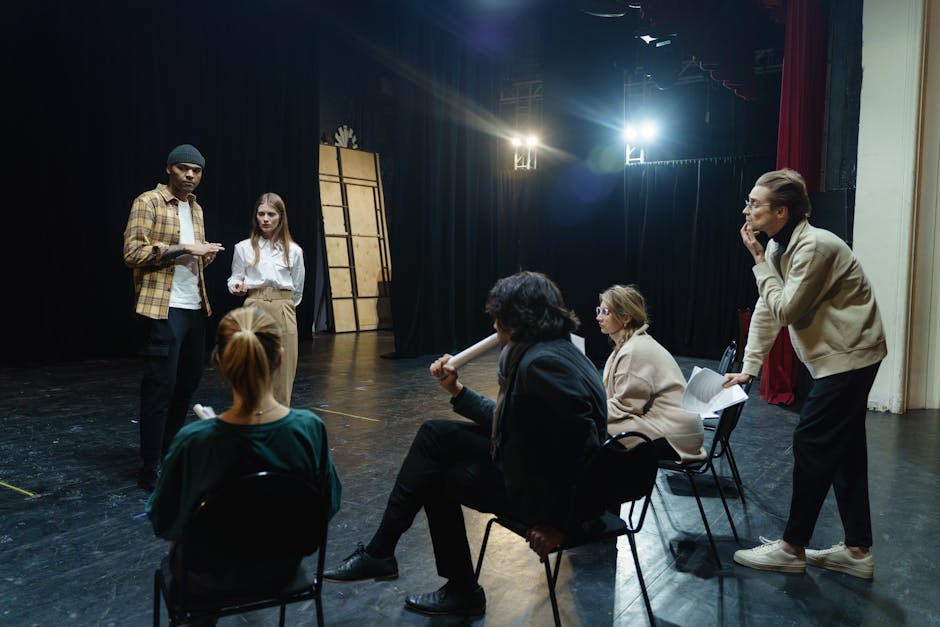
Days before the televised ceremony, award shows conduct elaborate technical rehearsals using stand-ins who walk through every moment of the show. These rehearsals can take 12-16 hours and are more technically demanding than the live event because they're stopping and starting constantly to perfect camera angles, lighting cues, and timing. Stand-ins mimic the walking pace, height, and even dress colors of actual presenters and performers so technical crews can prepare for every visual element. Musical performances are rehearsed dozens of times with full sound checks, sometimes with the actual performers present and sometimes with acoustic doubles. These rehearsals also identify potential problems—from tripping hazards on stage to acoustic dead zones—that can be corrected before the live broadcast.
The Red Carpet Has Its Own Entire Production Team
What appears to be celebrities casually arriving at an event is actually a meticulously choreographed production with its own separate crew, timeline, and broadcast component. Publicists negotiate exactly when their clients will arrive to maximize exposure, with the biggest stars typically arriving in a calculated window that's late enough to build anticipation but early enough to make the broadcast. The carpet itself is usually replaced multiple times before and during arrivals due to wear, staining, and weather. "Carpet wranglers" manage traffic flow, ensuring celebrities don't cluster in ways that create dead air for broadcasters. Additionally, the positioning of interview platforms is strategically planned to capture optimal backgrounds and lighting, and some celebrities have contractual approval over which media outlets can interview them.
Categories Are Strategically Scheduled Based on Viewer Retention
The order of award presentations isn't random—it's based on sophisticated data about viewer interest and retention patterns. Major categories with the highest public interest are distributed throughout the broadcast to prevent viewers from tuning out after their favorite category concludes. Technical categories with lower general public interest are often scheduled earlier or later in the broadcast, sometimes during pre-show ceremonies that aren't televised. Producers analyze years of ratings data to determine optimal category placement, balancing the need to honor all achievements with the commercial reality of maintaining viewership for advertisers. This is why the biggest awards—Best Picture, Album of the Year, or equivalent top honors—almost always close the show, despite the logistical challenges this creates for winners trying to attend after-parties.
After-Party Access Is More Exclusive Than the Ceremony Itself
While thousands attend the actual award ceremonies, the after-parties operate on an entirely different tier of exclusivity. The most prestigious after-parties, like the Vanity Fair Oscar Party or the Governors Ball, have invitation lists more selective than the main event. These parties have multiple levels of access, with color-coded wristbands or credentials determining which areas guests can enter. The most exclusive sections are often unmarked and accessible only through private entrances known to a select few. Interestingly, some winners spend mere minutes at their own ceremony's official after-party before moving on to more exclusive gatherings. These parties also serve crucial industry functions—they're where real deal-making happens, where campaigns for next year's awards begin, and where industry power dynamics play out away from cameras and public scrutiny.
The Machinery Behind the Magic
Award shows represent one of entertainment's most elaborate theatrical productions, requiring thousands of personnel, months of planning, and budgets reaching into the tens of millions of dollars. The secrets behind these ceremonies reveal an industry that's simultaneously celebrating artistic achievement while operating as a sophisticated marketing machine and television spectacle. From the military-grade security protecting results to the psychological preparation of potential losers, every element is carefully controlled to create what appears to be a spontaneous celebration of excellence. Understanding these behind-the-scenes realities doesn't diminish the genuine achievements being honored—it simply reveals the extraordinary effort required to produce a few hours of seemingly effortless entertainment that captivates global audiences year after year.