











1 / 10 Questions
0 Points

What Kitchen Gadget Did Scientists Invent By Complete Accident?

Dishwasher

Toaster

Microwave oven

Blender

Points won
0
Correct score
0%

More questions

More Articles

Did You Know? 10 Rare Myths About Voice Acting in Animation

Did You Know? 10 Rare Myths About Voice Acting in Animation

⏱️ 7 min read

The world of voice acting in animation is shrouded in mystery for many people outside the industry. While audiences marvel at beloved animated characters, they often hold misconceptions about how these performances come to life. From recording techniques to casting decisions, numerous myths persist about this specialized craft. Let's debunk some of the most persistent and rarely discussed myths surrounding voice acting in animation.

Separating Fiction from Fact in Animation Voice Work

1. Voice Actors Always Record Together in the Same Room

One of the most pervasive myths is that voice actors gather around microphones together, playing off each other's energy like a radio drama from the 1940s. In reality, most animated productions record actors separately in isolated sessions. This approach allows directors to work intensively with each performer, adjusting deliveries line by line without coordinating multiple busy schedules. While ensemble recordings do occasionally happen for special projects or specific scenes, the standard practice involves solo booth time. This solitary process requires actors to generate chemistry and timing without their scene partners present, making their performances even more impressive.

2. Animation Voice Acting Requires Less Skill Than On-Camera Acting

The assumption that voice acting is somehow easier than traditional acting couldn't be further from the truth. Voice actors must convey all emotion, personality, and physical action through vocal performance alone, without the aid of facial expressions or body language that the camera can capture. They often perform wild physical movements while recording—jumping, flailing, or lying on the floor—to achieve authentic vocal qualities. The technical demands include maintaining consistent character voices across years of production, matching lip-flap timing in certain animation styles, and creating distinct voices for multiple characters within the same project. This specialized skill set requires extensive training and natural talent.

3. Celebrities Are Cast Because They're Better Voice Actors

The trend of casting Hollywood celebrities in animated features often leads to the assumption that these stars possess superior voice acting abilities. While many celebrities deliver excellent performances, their casting primarily serves marketing purposes. A recognizable name helps promote the film and attracts audiences who might otherwise skip an animated feature. Professional voice actors, who dedicate their entire careers to the craft, often possess greater technical proficiency and versatility. However, the business reality of animation means that star power frequently trumps specialized experience, despite the myth that celebrity casting reflects pure talent-based decisions.

4. Voice Actors Simply Read Lines Without Physical Performance

Many people imagine voice actors standing still at a microphone, simply reading from a script. The truth involves far more physicality than most realize. Professional voice actors often act out their scenes completely, incorporating full-body movements to ensure their voices sound natural and energized. Directors frequently encourage actors to move around the booth, use props, make exaggerated facial expressions, and physically embody their characters' actions. This physical commitment translates into vocal authenticity that static reading could never achieve. The recording booth becomes a small performance stage where actors sweat, jump, and throw themselves into the work.

5. Animation Voice Work Can Be Done in Just a Few Hours

The myth that voice acting represents quick, easy money persists despite the reality of extensive recording schedules. A single animated feature can require dozens of recording sessions spread across months or even years. Television series demand regular recording commitments throughout production runs. Each session involves multiple takes of individual lines, alternative readings for editors, wild lines for animation flexibility, and pickups to match revised animation. A character's complete vocal performance might accumulate from twenty to forty hours of booth time, with only a fraction making it into the final product. The process demands stamina, consistency, and patience.

6. Voice Actors Can See the Animation While Recording

Contrary to popular belief, voice actors typically record their performances before animation is completed. They work from storyboards, rough animatics, or sometimes just the script itself, imagining what the final visuals will look like. This requires exceptional creativity and trust in the director's guidance. While some projects bring actors back for additional dialogue recording (ADR) after animation is finished, the primary recordings happen early in production when only conceptual artwork exists. Voice actors must create fully realized performances while visualizing characters and environments that exist only on paper or in early digital sketches.

7. Any Good Vocal Impressionist Can Succeed in Animation Voice Acting

While the ability to mimic voices seems directly applicable to voice acting, impression skills alone don't guarantee success in animation. The craft requires creating original, believable characters rather than copying existing voices. Voice actors must develop unique character voices that can sustain across hours of content while conveying emotional depth and narrative arc. Additionally, they need technical skills like microphone technique, breath control, stamina for long sessions, and the ability to take direction and adjust performances instantly. Impressionists who transition to voice acting must learn to channel their mimicry skills into character creation rather than mere replication.

8. Cartoon Voices Damage Your Vocal Cords

The concern that performing exaggerated cartoon voices inevitably causes vocal damage is more myth than medical fact. While improper technique can indeed strain vocal cords, professionally trained voice actors learn to create extreme character voices safely. They employ proper breathing, support from the diaphragm, and vocal placement techniques that protect their instruments while achieving wild character sounds. Problems arise when untrained performers force voices from their throats without proper technique. Professional voice actors often enjoy long careers spanning decades, voicing demanding characters without significant vocal damage, proving that proper training and technique make even the most extreme voices sustainable.

9. Voice Actors Improvise Most of Their Dialogue

While some animated productions encourage improvisation and certain voice actors are known for their ad-libbing abilities, the majority of animation follows tightly scripted dialogue. Animation's technical and financial constraints make extensive improvisation impractical, as every line must be planned, timed, and animated at considerable expense. Some directors allow room for alternate takes and spontaneous additions, and certain actors' improvisations do make final cuts, but these represent exceptions rather than the rule. Most performances adhere closely to approved scripts that have undergone multiple revisions by writing teams. The myth of constant improvisation overlooks the detailed planning required for animation production.

10. Once Recorded, Voice Actors Are Done with the Project

The misconception that voice recording represents a one-and-done commitment ignores the reality of animation's lengthy post-production process. Voice actors frequently return for additional recording sessions to deliver pickup lines, replace dialogue that didn't work with revised animation, record alternative takes for different markets or edits, and loop background vocals. Promotional commitments often follow, including interviews, convention appearances, and marketing events. For successful properties, actors may voice their characters in video games, theme park attractions, commercials, and sequels years after the original production. The relationship between voice actors and their animated characters often spans decades, requiring ongoing availability and commitment far beyond initial recording sessions.

Understanding the Real Craft

These myths about animation voice acting reveal how little the general public understands about this specialized performance art. The reality involves intense technical skill, physical commitment, vocal training, and creative imagination that rivals any other form of acting. Voice actors bring beloved characters to life through a combination of talent, technique, and dedication that deserves recognition beyond the misconceptions. By understanding what voice acting truly entails, audiences can better appreciate the remarkable performances that give animation its emotional resonance and entertainment value. The next time you watch an animated film or series, remember the skilled professionals behind those voices, working in isolation to create the chemistry, humor, and heart that makes animation magical.
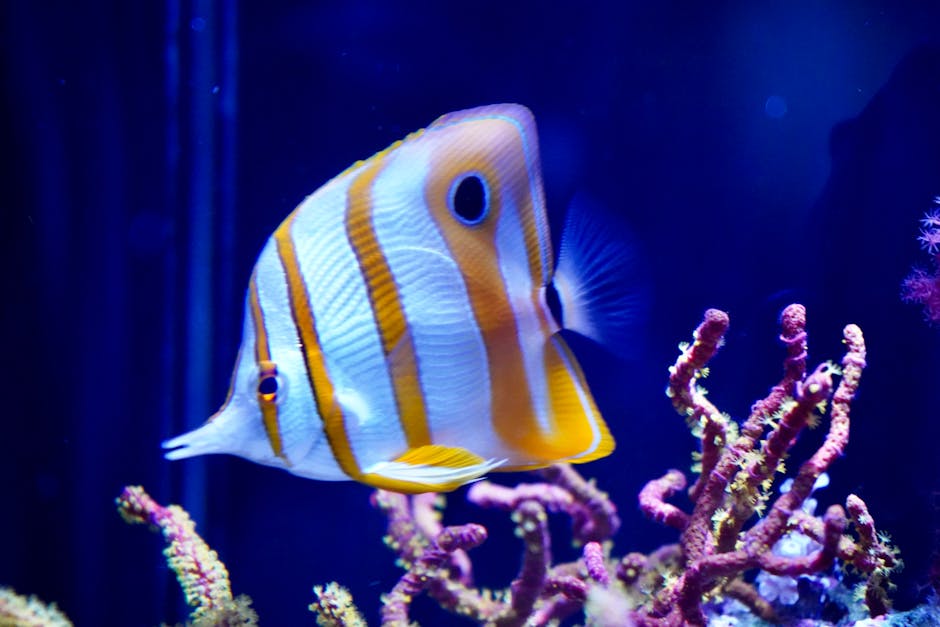

Did You Know? 15 Facts About Coral Reefs

Did You Know? 15 Facts About Coral Reefs

⏱️ 7 min read

Beneath the ocean's surface lies one of Earth's most spectacular ecosystems—coral reefs. These underwater cities teem with life, color, and mysteries that continue to fascinate scientists and nature enthusiasts alike. Despite covering less than 1% of the ocean floor, coral reefs play a vital role in marine biodiversity and human survival. Here are fifteen remarkable facts that reveal the complexity and importance of these underwater wonders.

Understanding Coral Reefs

1. Corals Are Animals, Not Plants

One of the most common misconceptions about coral reefs is their classification. Despite their plant-like appearance and stationary nature, corals are actually marine invertebrates belonging to the phylum Cnidaria. Each coral structure consists of thousands of tiny polyps—soft-bodied organisms related to jellyfish and sea anemones. These polyps secrete calcium carbonate to form hard, protective limestone skeletons that gradually build up to create the massive reef structures we recognize today.

2. The Great Barrier Reef Can Be Seen From Space

Australia's Great Barrier Reef holds the distinction of being the world's largest living structure visible from outer space. Stretching over 2,300 kilometers along the Queensland coast, this natural wonder comprises approximately 2,900 individual reefs and 900 islands. The reef system is so expansive that it covers an area larger than the United Kingdom, making it not just a biological marvel but also a geographical phenomenon of extraordinary proportions.

3. Symbiotic Relationships Create Reef Colors

The vibrant colors that make coral reefs so visually stunning come from a remarkable symbiotic relationship between coral polyps and microscopic algae called zooxanthellae. These algae live within the coral tissue and perform photosynthesis, producing oxygen and nutrients that feed the coral. In return, the coral provides the algae with protection and access to sunlight. This mutualistic partnership is so essential that when stressed, corals expel their zooxanthellae, leading to coral bleaching and the loss of their distinctive colors.

4. Reefs Support a Quarter of Marine Life

Despite occupying less than 1% of the ocean floor, coral reefs support approximately 25% of all marine species. Scientists estimate that over one million species—including fish, invertebrates, and microorganisms—depend on coral reef ecosystems for survival. This incredible biodiversity density makes coral reefs comparable to tropical rainforests in terms of species richness, earning them the nickname "rainforests of the sea."

Ecological Importance and Impact

5. Natural Coastal Protection Systems

Coral reefs serve as natural barriers that protect coastlines from the devastating effects of waves, storms, and erosion. The complex reef structures absorb and dissipate up to 97% of wave energy before it reaches shore, reducing the impact of hurricanes, tsunamis, and everyday wave action. This natural protection is particularly crucial for low-lying coastal communities and island nations, potentially saving billions of dollars in storm damage and preventing loss of life.

6. Ancient Organisms With Modern Relevance

Coral reefs have existed for approximately 240 million years, making them one of Earth's oldest ecosystems. These ancient structures have survived multiple mass extinction events and have continuously evolved throughout geological time. The oldest individual coral colonies alive today are estimated to be over 4,000 years old, providing scientists with valuable historical records of ocean conditions and climate changes spanning millennia.

7. Slow Growth Rates Demand Protection

Reef-building corals grow at remarkably slow rates, typically adding only 0.3 to 2 centimeters of new growth per year for branching species, while massive boulder corals may grow even slower at rates of just 0.5 centimeters annually. This means that a coral formation the size of a small car could be hundreds of years old. The slow growth rate makes coral reefs particularly vulnerable to damage, as recovery from destruction can take decades or even centuries.

8. Medicinal Treasures of the Ocean

Coral reef ecosystems represent an invaluable pharmaceutical frontier. Scientists have discovered compounds within reef organisms that show promise for treating cancer, arthritis, bacterial infections, Alzheimer's disease, and heart disease. Already, several medicines derived from coral reef species are in use or undergoing clinical trials, including treatments for leukemia and drugs that prevent inflammation and reduce pain.

Environmental Challenges and Adaptations

9. Temperature Sensitivity Threatens Survival

Coral reefs exist within a narrow temperature range, typically thriving in waters between 23°C and 29°C. An increase of just 1-2°C above normal summer temperatures, sustained for several weeks, can trigger mass coral bleaching events. As ocean temperatures continue to rise due to climate change, coral bleaching has become increasingly frequent and severe, with some regions experiencing multiple bleaching events within just a few years—not allowing enough time for coral recovery.

10. Economic Value Exceeds Expectations

The economic value of coral reefs extends far beyond their ecological significance. These ecosystems provide approximately $375 billion annually in goods and services worldwide, including tourism revenue, fishing industries, and coastal protection. For many developing nations, coral reefs represent a primary source of protein and income, directly supporting the livelihoods of over 500 million people globally.

11. Coral Spawning Spectacular Events

Once a year, many coral species participate in a synchronized mass spawning event, releasing millions of eggs and sperm simultaneously into the water column. This remarkable phenomenon typically occurs following a full moon and involves multiple species spawning on the same night, creating an underwater snowstorm effect. The precise timing ensures maximum fertilization success and remains one of nature's most extraordinary reproductive strategies.

12. Three Main Reef Types Exist Worldwide

Coral reefs are classified into three primary types based on their formation and location. Fringing reefs grow directly along coastlines and are the most common type. Barrier reefs develop parallel to shorelines but are separated by deep lagoons. Atolls are circular or oval-shaped reefs that form around volcanic islands, creating a ring structure with a central lagoon after the original island subsides beneath the ocean surface.

Global Distribution and Future Outlook

13. Limited Geographic Range

Coral reefs predominantly occur in tropical and subtropical waters between 30°N and 30°S latitude, where conditions meet their specific requirements for warm temperatures, clear water, and abundant sunlight. The Indo-Pacific region, particularly the Coral Triangle spanning Indonesia, Malaysia, Papua New Guinea, the Philippines, the Solomon Islands, and Timor-Leste, contains the highest diversity of coral species and represents the global epicenter of coral reef biodiversity.

14. Threats From Multiple Fronts

Coral reefs face an unprecedented combination of threats including ocean acidification, rising sea temperatures, overfishing, destructive fishing practices, coastal development, agricultural runoff, and pollution. Ocean acidification, caused by increased absorption of atmospheric carbon dioxide, reduces the availability of carbonate ions that corals need to build their calcium carbonate skeletons, making reef construction increasingly difficult and weakening existing structures.

15. Conservation Efforts Offer Hope

Despite the challenges, innovative conservation efforts worldwide are working to protect and restore coral reefs. Techniques include coral gardening and transplantation, assisted evolution to develop heat-resistant coral strains, marine protected areas, and community-based conservation programs. Scientists are also exploring methods to enhance coral resilience through selective breeding and identifying naturally resilient coral populations that might survive future ocean conditions.

Conclusion

Coral reefs represent one of Earth's most valuable and vulnerable ecosystems. These fifteen facts barely scratch the surface of the complexity and importance of reef environments. From their role as biodiversity hotspots to their economic and medicinal value, coral reefs provide irreplaceable benefits to both marine life and human populations. As these ecosystems face mounting pressures from climate change and human activities, understanding their significance becomes increasingly critical. The future of coral reefs depends on immediate global action to reduce carbon emissions, protect existing reefs, and support innovative conservation strategies that can help these remarkable ecosystems survive and thrive for generations to come.