


1 / 20 Questions
0 Points

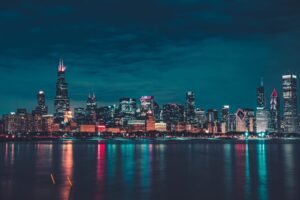
What nickname is Chicago most famously known by?

The Rain City

The Big Apple

The Sun City

The Windy City

Points won
0
Correct score
0%

More questions

More Articles

Top 10 Record-Breaking Concerts of All Time

Top 10 Record-Breaking Concerts of All Time

⏱️ 6 min read

Introduction

Throughout music history, certain concerts have transcended mere performances to become cultural phenomena that shattered attendance records, broke technological barriers, and redefined what's possible in live entertainment. These landmark events brought together massive crowds, generated unprecedented revenue, and created moments that fans would remember for generations. From classical maestros to rock legends and pop superstars, these record-breaking concerts demonstrate the universal power of music to unite people on an extraordinary scale.

The Most Extraordinary Concert Events in Music History

1. Rod Stewart's Copacabana Beach Performance - 4.2 Million Attendees

On New Year's Eve 1994, British rock legend Rod Stewart performed a free concert on Copacabana Beach in Rio de Janeiro, Brazil, that drew an astounding 4.2 million people. This remains the largest concert audience ever recorded in history. The massive crowd stretched along the famous beach as Stewart delivered hits like "Maggie May" and "Do Ya Think I'm Sexy?" as part of the city's New Year celebrations. The sheer logistics of sound engineering for such an enormous crowd required dozens of speaker towers distributed across the beach to ensure everyone could hear the performance.

2. Jean-Michel Jarre's Moscow State University Concert - 3.5 Million Spectators

French electronic music pioneer Jean-Michel Jarre holds the record for organizing multiple massive free concerts, with his most impressive being the 1997 performance at Moscow State University celebrating the city's 850th anniversary. An estimated 3.5 million people gathered to experience his signature synthesizer soundscapes combined with an elaborate light show and fireworks display. Jarre specialized in these mega-concerts, understanding how electronic music's expansive nature paired perfectly with large-scale outdoor venues and technological spectacle.

3. The Rolling Stones' Copacabana Beach Concert - Highest-Grossing Single Performance

While Rod Stewart holds the attendance record at Copacabana, The Rolling Stones made their own mark on the famous beach in 2006 with a free concert that attracted 2 million fans. What makes this particularly remarkable was the economic impact and production value. The band reportedly spent over $2 million on the production alone, featuring elaborate staging and pyrotechnics. This concert demonstrated how legacy rock acts could still command unprecedented audiences decades into their careers, with the event generating enormous tourism revenue for Rio de Janeiro.

4. A Bigger Bang Tour - Highest-Grossing Concert Tour Ever

The Rolling Stones' A Bigger Bang Tour, spanning from 2005 to 2007, earned a staggering $558 million, making it the highest-grossing tour in concert history at its conclusion. The tour included 147 shows across multiple continents and was seen by approximately 4.5 million fans. The production featured a massive stage design with a tongue-shaped ramp extending into the audience. This tour set the standard for modern stadium rock economics and demonstrated the enduring commercial power of classic rock bands with devoted fan bases willing to pay premium prices.

5. Ed Sheeran's Divide Tour - Most Attended Tour in History

British singer-songwriter Ed Sheeran's Divide Tour (2017-2019) broke attendance records with approximately 8.9 million tickets sold across 255 shows worldwide. What made this achievement even more remarkable was Sheeran's minimalist approach, performing solo with just his guitar and loop pedals rather than elaborate production or backup bands. The tour grossed over $776 million, eventually surpassing U2's previous records. Sheeran's success demonstrated that in the modern era, authentic artistry and songwriting could compete with spectacle-driven productions.

6. U2's 360° Tour - Revolutionary Stage Design and Record Revenue

U2's 360° Tour (2009-2011) was groundbreaking both technologically and financially, grossing $736 million from 7.3 million attendees. The tour featured "The Claw," a massive four-legged steel structure that allowed the band to perform in-the-round with the audience surrounding the stage on all sides. This 170-foot tall architectural marvel required 200 trucks to transport and was the most expensive concert stage ever built. The tour redefined stadium concert design and influenced how major acts approached large-venue performances for years afterward.

7. Live Aid - Most Watched Concert Broadcast Globally

The 1985 Live Aid benefit concert, organized by Bob Geldof and Midge Ure, was a dual-venue event held simultaneously at London's Wembley Stadium and Philadelphia's JFK Stadium. While physical attendance at both venues totaled about 172,000, the television broadcast reached an estimated 1.9 billion viewers across 150 nations, making it the most-watched concert event in history at that time. Featuring legendary performances from Queen, U2, David Bowie, and many others, Live Aid raised over $125 million for Ethiopian famine relief and established the template for celebrity charity mega-events.

8. Woodstock 1969 - Most Culturally Influential Festival

Though not the largest by modern standards, Woodstock attracted approximately 400,000 people to a dairy farm in Bethel, New York, for "Three Days of Peace and Music" in August 1969. What makes Woodstock record-breaking is its lasting cultural impact and the fact that it became a defining moment of the 1960s counterculture movement. The festival featured iconic performances from Jimi Hendrix, Janis Joplin, The Who, and Santana. Originally planned for 50,000 attendees, the overwhelming turnout transformed it into a free concert when fences were torn down, creating logistical chaos but cementing its legendary status.

9. Garth Brooks' Central Park Performance - Largest Ticketed Concert in a Park

Country music superstar Garth Brooks performed a free concert in New York City's Central Park in August 1997 that drew an estimated 980,000 people, making it the largest concert ever held in the park and one of the largest free concerts in American history. The event required unprecedented coordination with city authorities, including extensive security measures and infrastructure support. Brooks' ability to attract such massive numbers in a market not traditionally known for country music demonstrated his crossover appeal and the genre's expanding reach beyond its traditional Southern and rural base.

10. The Monsters of Rock Festival in Moscow - Breakthrough Cold War Concert

In September 1991, just weeks before the Soviet Union's collapse, the Monsters of Rock festival brought Western heavy metal bands including Metallica, AC/DC, and Pantera to Moscow's Tushino Airfield. An estimated 1.6 million people attended this free concert, which became a symbol of cultural liberation as the Iron Curtain fell. The event was particularly significant because heavy metal had been suppressed in the Soviet Union, and this massive gathering represented newfound freedom of expression. The concert was marked by chaos, with overwhelmed security and fans breaking through barriers, but it remained a historic moment where music symbolized political and social transformation.

Conclusion

These ten record-breaking concerts represent more than just impressive statistics—they showcase music's extraordinary ability to bring people together on unprecedented scales. From Rod Stewart's 4.2 million fans on Copacabana Beach to the cultural watershed of Woodstock, from Ed Sheeran's marathon tour to the technological innovation of U2's 360° production, each event pushed boundaries in different ways. Whether measured by attendance, revenue, cultural impact, or technological achievement, these concerts demonstrate that live music remains one of humanity's most powerful shared experiences. As technology evolves and global connectivity increases, future concerts will undoubtedly break new records, but these landmark events will always hold special places in music history for their groundbreaking achievements and unforgettable moments.

Top 10 Most Iconic Music Videos Ever Made

Top 10 Most Iconic Music Videos Ever Made

⏱️ 4 min read

Music videos have revolutionized the way we experience music, creating visual masterpieces that have left an indelible mark on popular culture. From groundbreaking special effects to innovative storytelling, these visual accompaniments have transformed simple songs into cultural phenomena that continue to influence artists and creators today.

Michael Jackson's "Thriller" (1983)

Running nearly 14 minutes long, "Thriller" redefined what a music video could be. Directed by John Landis, this horror-themed masterpiece features elaborate zombie choreography, groundbreaking makeup effects, and a narrative structure more akin to a short film. The video's influence extends beyond music, impacting dance, fashion, and horror genre conventions, while setting new standards for production values in music videos.

Peter Gabriel's "Sledgehammer" (1986)

This stop-motion animation marvel took over 16 days to shoot and remains one of the most played videos in MTV history. Combining claymation, pixilation, and various animation techniques, "Sledgehammer" pushed creative boundaries and inspired countless artists to experiment with animation in their videos. The painstaking attention to detail and innovative visual effects earned it numerous awards and accolades.

A-ha's "Take On Me" (1985)

Utilizing revolutionary rotoscoping animation technique, this video seamlessly blends pencil-sketch animation with live-action footage. The romantic narrative follows a young woman being pulled into a comic book world, creating a groundbreaking visual style that required over 3,000 frames to be hand-drawn. The video's distinctive look continues to influence modern animation and music video aesthetics.

Madonna's "Like a Prayer" (1989)

Controversial and thought-provoking, this video tackled themes of religion, racism, and sexuality. Featuring burning crosses, stigmata, and interracial relationships, it sparked intense debate and was even condemned by the Vatican. The video demonstrated how music videos could be used as a platform for social commentary while pushing cultural boundaries.

Nirvana's "Smells Like Teen Spirit" (1991)

Capturing the essence of grunge culture, this video depicts a anarchic high school pep rally that descends into chaos. The dark, gritty aesthetic and anti-establishment message perfectly encapsulated the zeitgeist of early '90s alternative rock. Its raw energy and rebellious spirit influenced countless music videos in the alternative genre.

Jamiroquai's "Virtual Insanity" (1996)

Director Jonathan Glazer created this masterpiece using a moving room rather than special effects, creating the illusion of Jay Kay sliding across the floor. The innovative practical effects and sophisticated optical illusions made this video a technical marvel that still impresses viewers today. It showcased how creative camera work and practical effects could create seemingly impossible visuals.

Guns N' Roses' "November Rain" (1992)

At the time of its release, this was the most expensive music video ever made, with a budget of over $1.5 million. The epic nine-minute narrative features a wedding, a funeral, and apocalyptic imagery, setting new standards for storytelling in music videos. Its cinematic scope and ambitious production values influenced the creation of other high-concept videos.

OK Go's "Here It Goes Again" (2006)

Shot in one continuous take, this video features the band performing an intricately choreographed routine on eight treadmills. The video went viral before the term was commonplace, demonstrating how creative concepts and precise execution could capture worldwide attention without a massive budget. It ushered in a new era of innovative, DIY music videos.

Lady Gaga's "Bad Romance" (2009)

This surreal fashion film meets music video features avant-garde costumes, striking choreography, and bold visual metaphors. The video's unique aesthetic, combining high fashion with horror elements, helped establish Lady Gaga as a visual artist and influenced the fashion-forward direction of modern pop videos.

Beyoncé's "Formation" (2016)

A powerful statement on Black culture, police brutality, and Hurricane Katrina's impact, this video combines stunning visuals with potent political messaging. The rich symbolism and unapologetic celebration of Black identity made it a defining cultural moment, demonstrating how music videos can serve as vehicles for social justice and cultural commentary.

Legacy and Impact

These groundbreaking music videos have not only shaped the evolution of the medium but continue to influence contemporary artists and filmmakers. From technical innovations to storytelling techniques, each video pushed boundaries in its own way, contributing to music videos becoming an art form in their own right. Their impact extends beyond entertainment, touching on social issues, technical innovation, and artistic expression, ensuring their place in cultural history.