











1 / 10 Questions
0 Points

Which Date Is Independence Day Celebrated?

July 4th

August 4th

June 4th

July 1st

Points won
0
Correct score
0%

More questions

More Articles

Did You Know? 12 Facts About the Evolution of Music

Did You Know? 12 Facts About the Evolution of Music

⏱️ 7 min read

Music has been an integral part of human civilization for millennia, evolving from primitive rhythmic patterns to the complex digital compositions we enjoy today. The journey of musical development reflects our technological advancements, cultural shifts, and creative innovations. From ancient bone flutes to streaming platforms, the transformation of music tells a fascinating story about human ingenuity and artistic expression. Here are twelve remarkable facts that illuminate the extraordinary evolution of music throughout history.

The Ancient Origins and Classical Developments

1. The World's Oldest Known Instruments Date Back 40,000 Years

Archaeological discoveries have unearthed flutes carved from bird bones and mammoth ivory in the Swabian Alps of Germany, dating back approximately 40,000 years. These ancient instruments demonstrate that music-making was already a sophisticated practice among early humans during the Upper Paleolithic period. The flutes were carefully crafted with finger holes positioned to produce different pitches, suggesting that our ancestors had developed an understanding of musical scales and tonal relationships long before written language emerged.

2. Musical Notation Revolutionized How Music Was Preserved

The development of musical notation around 1025 AD by Guido of Arezzo fundamentally changed how music could be taught, learned, and preserved across generations. Before this innovation, music was transmitted solely through oral tradition, limiting its complexity and geographic spread. Guido's system of staff lines and notes allowed composers to document their works precisely, enabling musicians centuries later to perform pieces exactly as originally conceived. This breakthrough laid the foundation for Western classical music's development and the preservation of musical heritage worldwide.

3. The Piano Emerged as a Dynamic Alternative to the Harpsichord

Invented by Bartolomeo Cristofori around 1700 in Italy, the piano was originally called the "pianoforte," meaning "soft-loud" in Italian. Unlike the harpsichord, which could only play at one volume level, the piano allowed musicians to vary dynamics by changing how hard they struck the keys. This revolutionary instrument transformed musical composition, enabling composers like Beethoven, Mozart, and Chopin to create works with unprecedented emotional range and expressiveness. The piano became central to both classical compositions and popular music across cultures.

Technological Breakthroughs and Recording Innovations

4. Thomas Edison's Phonograph Made Music Reproducible

When Thomas Edison invented the phonograph in 1877, he created the first device capable of recording and reproducing sound. This invention fundamentally altered humanity's relationship with music, allowing performances to be captured and enjoyed repeatedly without the artist being present. Initially recording on tin foil cylinders, the technology rapidly improved, eventually using wax cylinders and then flat discs. This breakthrough democratized access to music and created the foundation for the entire recorded music industry that would generate billions of dollars in the centuries to come.

5. Radio Broadcasting Brought Music Into Every Home

The advent of commercial radio broadcasting in the 1920s revolutionized music distribution and consumption. For the first time, people could enjoy live performances and recorded music in their homes without purchasing physical recordings. Radio created a shared musical culture, with families gathering around receivers to hear the latest hits, concerts, and musical programs. This technology launched careers, created musical celebrities, and established the hit-making system that still influences the music industry today. Radio's influence on music promotion and discovery remains significant even in the digital age.

6. Magnetic Tape Recording Enabled Modern Music Production

The introduction of magnetic tape recording in the 1940s and 1950s transformed music production by allowing artists and producers to edit recordings, overdub multiple tracks, and experiment with sound manipulation. Unlike previous recording methods that captured performances in single takes, tape recording permitted corrections, multi-tracking, and creative effects like reverb and echo. This technology empowered artists like Les Paul and The Beatles to create complex, layered compositions impossible to perform live. The creative possibilities opened by tape recording shaped the sound of modern popular music and established the recording studio as an instrument itself.

The Digital Revolution and Modern Era

7. Synthesizers Created Entirely New Sonic Possibilities

Electronic synthesizers, which gained prominence in the 1960s and 1970s, allowed musicians to generate sounds that no acoustic instrument could produce. Pioneers like Robert Moog and Don Buchla developed instruments that could create and manipulate electronic tones, opening unprecedented creative territories. Synthesizers became central to genres like electronic music, new wave, and hip-hop, while also influencing rock, pop, and film scores. These instruments demonstrated that music could be created entirely through electronic means, presaging the digital music revolution to come.

8. The Compact Disc Introduced Digital Audio to Consumers

Launched commercially in 1982, the compact disc represented the first mainstream digital audio format, offering superior sound quality, durability, and convenience compared to vinyl records and cassette tapes. CDs used laser technology to read digital information, eliminating the physical wear associated with needle-based playback. This format dominated music sales for two decades and accelerated the transition to digital audio throughout the industry. The CD's success proved that consumers would embrace digital formats, paving the way for subsequent innovations in digital music distribution.

9. MIDI Technology Allowed Instruments to Communicate

The Musical Instrument Digital Interface (MIDI), standardized in 1983, enabled electronic musical instruments, computers, and other devices to communicate and synchronize with each other. This protocol didn't transmit audio but rather performance data—which notes were played, how hard, and for how long. MIDI revolutionized music production by allowing a single musician to control multiple instruments simultaneously and enabling sophisticated computer-based composition and arrangement. This technology remains fundamental to modern music production, from bedroom studios to professional recording facilities.

The Internet Age and Streaming Era

10. MP3 Compression Made Music Easily Shareable Online

The development of MP3 compression technology in the early 1990s reduced audio file sizes by approximately 90% while maintaining acceptable sound quality. This breakthrough made it practical to share music files over the internet, even with the slow connection speeds of that era. While MP3s enabled revolutionary new ways to distribute and discover music, they also disrupted traditional business models and sparked intense debates about copyright and artist compensation. The format's portability and convenience fundamentally changed how people built music collections and consumed audio content.

11. Streaming Services Transformed Music Access and Discovery

The emergence of streaming platforms like Spotify, Apple Music, and YouTube in the 2000s and 2010s shifted music consumption from ownership to access-based models. Instead of purchasing individual albums or songs, listeners gained instant access to tens of millions of tracks for a monthly subscription fee or through ad-supported free tiers. This transformation changed how artists release music, how listeners discover new songs, and how the industry measures success. Streaming now generates the majority of global music industry revenue, representing the most significant business model shift since recorded music began.

12. Artificial Intelligence Now Composes Original Music

Recent advances in artificial intelligence and machine learning have enabled computers to compose original music across various genres, from classical symphonies to pop songs. AI systems can analyze millions of existing compositions to understand musical patterns, structures, and styles, then generate new pieces that sound convincingly human-made. While controversial within the music community, AI composition tools are being used for background music, personalized playlists, and even collaborative projects with human musicians. This technology raises profound questions about creativity, authorship, and the future role of human musicians in an increasingly automated world.

Conclusion

The evolution of music demonstrates humanity's relentless drive to innovate and express. From ancient bone flutes to AI-composed symphonies, each advancement has expanded musical possibilities while raising new questions about art, technology, and culture. These twelve facts illustrate how music has continuously transformed through technological innovation, creative experimentation, and changing social contexts. As we stand on the threshold of new developments in virtual reality concerts, spatial audio, and neural interfaces, the evolution of music continues unabated. Understanding this rich history helps us appreciate not only how far we've come but also the exciting possibilities that lie ahead for this universal form of human expression.
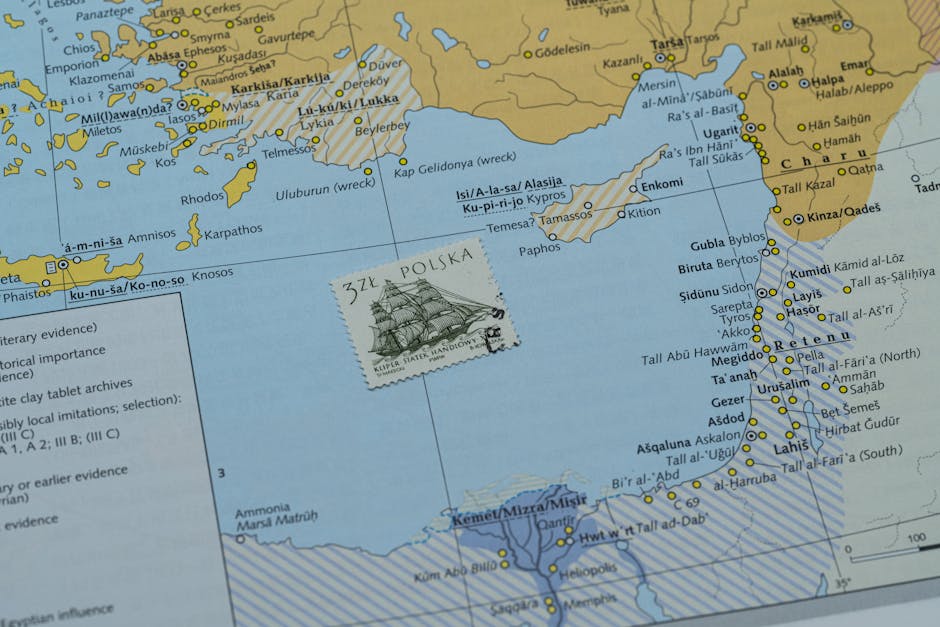

Top 10 Fun Facts About Ancient Trade Routes

Top 10 Fun Facts About Ancient Trade Routes

⏱️ 7 min read

Ancient trade routes were far more than simple pathways for merchants to transport goods from one region to another. These intricate networks shaped civilizations, facilitated cultural exchange, sparked innovation, and connected distant corners of the world in ways that continue to influence our modern society. The stories behind these historic thoroughfares reveal fascinating details about human ingenuity, determination, and the universal desire to connect with others. From unexpected cargo to revolutionary navigation techniques, the history of ancient commerce offers remarkable insights into our shared past.

Remarkable Discoveries from Historic Trade Networks

1. The Silk Road Wasn't a Single Road

Contrary to popular belief, the famous Silk Road was actually a vast network of interconnected trade routes spanning over 4,000 miles across Asia, the Middle East, and Europe. Rather than one continuous pathway, merchants traveled along various branches that connected major trading cities like Chang'an, Samarkand, Baghdad, and Constantinople. Traders rarely journeyed the entire distance themselves; instead, goods passed through multiple hands across different segments, with each merchant specializing in their local region. This complex system of routes evolved over centuries, with some paths becoming more prominent while others fell into disuse depending on political stability, climate conditions, and economic factors.

2. Spices Were Worth More Than Gold

During medieval times, certain spices commanded prices that exceeded the value of precious metals. Black pepper, cinnamon, and nutmeg were so valuable that they served as currency in some regions and were even used to pay rent, taxes, and dowries. A pound of saffron could purchase a horse, while a sack of peppercorns might equal a man's ransom. This extraordinary value stemmed from the spices' rarity, the dangerous journeys required to obtain them, and deliberate misinformation spread by merchants about their origins. Arab traders famously told tales of cinnamon being guarded by giant birds and cassia growing in shallow lakes protected by winged animals, ensuring their monopoly remained unchallenged and prices stayed astronomically high.

3. Ancient Mariners Navigated Using Birds and Sea Creatures

Long before compasses and sophisticated navigation instruments, sailors on maritime trade routes employed remarkably clever techniques to find their way across open waters. Phoenician and Polynesian navigators observed bird flight patterns, knowing that certain species would fly toward land at specific times of day. They also studied whale migration routes, monitored cloud formations that indicated distant landmasses, and read wave patterns to detect nearby islands. Vikings released ravens from their ships; if the birds flew back, no land was near, but if they flew forward, sailors followed them to shore. These biological navigation methods proved so effective that trade flourished across vast oceanic distances thousands of years before modern technology.

4. The Incense Route Rivaled the Silk Road in Importance

While the Silk Road captures most historical attention, the Incense Route from southern Arabia to the Mediterranean was equally significant for ancient economies and religious practices. Frankincense and myrrh, produced exclusively in regions of modern-day Oman, Yemen, and Somalia, were essential for religious ceremonies across the ancient world. These aromatic resins were burned in temples from Rome to Jerusalem, making them indispensable commodities. The trade was so lucrative that it funded entire kingdoms, including the wealthy Nabataean civilization that built the magnificent city of Petra. Caravans of up to 3,000 camels transported these precious materials along carefully guarded desert routes, with the journey taking several months and passing through numerous taxation points.

5. Disease Traveled Along Trade Routes

While trade routes facilitated the exchange of goods and ideas, they also served as highways for devastating diseases. The Bubonic Plague, or Black Death, traveled from Asia to Europe along Silk Road trading posts in the 14th century, ultimately killing an estimated 75-200 million people. Smallpox, measles, and other infectious diseases spread rapidly through trading hubs where diverse populations interacted. However, this exchange also had an unexpected benefit: populations gradually developed immunities to foreign diseases, and medical knowledge traveled alongside merchants. Physicians from different cultures shared treatments and remedies, creating early forms of international medical collaboration that would eventually benefit global health.

6. The Trans-Saharan Gold Trade Created Legendary Wealth

The trans-Saharan trade routes connecting West Africa to North Africa and the Mediterranean moved staggering quantities of gold that fundamentally shaped medieval economies. The Mali Empire controlled much of the world's gold supply during the 14th century, creating wealth so immense that when Emperor Mansa Musa made his pilgrimage to Mecca in 1324, his generous gold distribution in Cairo temporarily crashed the Mediterranean economy, causing inflation that lasted over a decade. These routes, navigated by skilled Berber and Tuareg guides, crossed one of Earth's harshest environments, with caravans sometimes comprising 12,000 camels carrying gold, salt, ivory, and slaves between major trading centers like Timbuktu and Cairo.

7. Paper and Printing Technology Spread Westward from China

The Silk Road facilitated one of history's most important technological transfers when paper-making techniques traveled from China to the Islamic world and eventually to Europe. After the Battle of Talas in 751 CE, Chinese prisoners taught Arab victors the secrets of paper production, revolutionizing record-keeping and communication throughout the Islamic world. This knowledge subsequently spread to Europe through trade connections in Spain and Italy. Similarly, printing technology, gunpowder formulas, and mathematical concepts like zero traveled these same routes, demonstrating that ancient trade networks exchanged ideas and innovations that were often more valuable than any physical commodity.

8. Ancient Quality Control Systems Were Surprisingly Sophisticated

To maintain their reputations and ensure repeat business, ancient civilizations developed elaborate quality control and authentication systems for traded goods. Roman merchants used standardized measures and weights, while Chinese silk producers developed complex grading systems with imperial seals guaranteeing authenticity. The Phoenicians marked their glass and purple-dyed textiles with identifying symbols. Trade guilds in medieval times established strict quality standards with severe penalties for fraud. Some merchants even developed early forms of branding, with certain production centers becoming renowned for specific products—Damascus for steel, Tyre for purple dye, and Ceylon for cinnamon—creating ancient precursors to modern trademark systems.

9. Languages Evolved Along Trade Routes

The necessity of communication in multicultural trading centers spawned the development of pidgin languages and lingua francas that enabled commerce between diverse peoples. Swahili emerged as a trade language along East African coastal routes, blending Bantu grammar with Arabic, Persian, and Portuguese vocabulary. Similarly, various forms of marketplace Arabic developed along Middle Eastern routes. These linguistic innovations didn't just facilitate trade; they created lasting cultural legacies, with many of these hybrid languages evolving into rich literary traditions. Trade routes also spread writing systems, with Aramaic script traveling eastward to influence the development of numerous Asian alphabets.

10. Ancient Traders Pioneered Early Banking Systems

The complexities of long-distance trade necessitated financial innovations that formed the foundations of modern banking. Medieval Italian merchants developed bills of exchange to avoid transporting dangerous quantities of coins across trade routes. Chinese merchants during the Tang Dynasty created "flying money"—paper certificates that could be redeemed for coins at distant locations, representing perhaps history's first paper currency. The Knights Templar established a network of commanderies where pilgrims and merchants could deposit funds in one location and withdraw them at another, creating an early international banking system. These innovations demonstrate how the practical challenges of ancient commerce drove financial sophistication that would eventually evolve into contemporary banking practices.

The Lasting Legacy of Ancient Commerce

The fascinating facts surrounding ancient trade routes reveal that these networks were instrumental in shaping human civilization in countless ways. From spreading technologies and diseases to creating new languages and financial systems, trade routes connected humanity in profound ways that extended far beyond simple commerce. The merchants, sailors, and caravans that traversed these dangerous paths were not merely businesspeople but agents of cultural exchange who fundamentally transformed the world. Understanding these remarkable aspects of ancient trade helps us appreciate how interconnected human societies have always been and how the foundations of our modern global economy were laid thousands of years ago by enterprising individuals willing to cross deserts, mountains, and oceans in pursuit of prosperity and connection.