1 / 20 Questions
0 Points

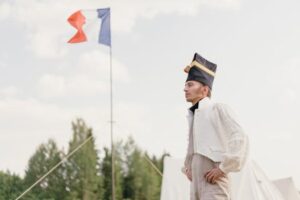
Which hat did Lincoln famously wear?

Bowler hat

Top hat

Fedora

Tricorn hat

Points won
0
Correct score
0%

More questions

More Articles

Top 10 Fun Facts About K-Pop

Top 10 Fun Facts About K-Pop

⏱️ 7 min read

Korean pop music has taken the world by storm, evolving from a regional phenomenon into a global cultural force that influences fashion, language, and entertainment across continents. Beyond the catchy hooks and mesmerizing choreography lies a fascinating world filled with surprising details, rigorous training systems, and cultural innovations that have redefined the modern music industry. Here are some captivating insights into the K-Pop universe that reveal just how unique and extraordinary this phenomenon truly is.

The K-Pop Industry's Remarkable Origins

1. The Genesis of Modern K-Pop Started in 1992

While Korean popular music existed before, modern K-Pop as we know it began with Seo Taiji and Boys in 1992. This revolutionary group introduced rap, rock, and techno elements to Korean music, breaking away from traditional trot and ballad styles. Their debut song "Nan Arayo" (I Know) stayed at number one for 17 consecutive weeks, fundamentally changing the Korean music landscape. Seo Taiji and Boys proved that Korean artists could successfully blend Western musical styles with Korean sensibilities, establishing the blueprint that K-Pop groups follow today. Their influence was so profound that many industry insiders refer to the modern K-Pop era as "after Seo Taiji."

2. Trainees Undergo Years of Intensive Training Before Debut

K-Pop idols aren't created overnight. Entertainment companies scout talent as young as elementary school age and put them through grueling training programs that can last anywhere from two to seven years, sometimes even longer. These trainees practice singing, dancing, rapping, and even acting for 12-18 hours daily while also learning foreign languages like English, Japanese, or Mandarin. They attend classes on media interaction, public speaking, and cultural etiquette. The training system is so comprehensive that it resembles an intensive performing arts academy combined with business school. Only a small percentage of trainees ever debut, making those who do exceptionally skilled performers with years of preparation behind them.

3. K-Pop Groups Have Designated Positions and Roles

Unlike Western bands where members often have fluid roles, K-Pop groups operate with clearly defined positions. Each member is assigned specific roles such as leader, main vocalist, lead vocalist, main dancer, lead dancer, main rapper, lead rapper, visual, and maknae (youngest member). Some members hold multiple positions. The "leader" manages group dynamics and often speaks on behalf of the group, while the "visual" is considered the member who best fits Korean beauty standards and often appears in promotional materials. This systematic approach ensures every member has a distinct identity and purpose within the group, contributing to the overall brand and appeal.

Cultural and Commercial Phenomena

4. Fan Clubs Are Highly Organized Corporate Entities

K-Pop fandoms operate with military precision and corporate organization. Each major group has an official fan club with a unique name, official colors, and even lightsticks with specific designs. These aren't casual fan gatherings—they're structured communities with membership fees, exclusive benefits, and organized activities. Fans coordinate massive projects like birthday advertisements on billboards and subways, charity donations in their idols' names, and synchronized streaming efforts to boost chart positions. The BTS fan club ARMY and BLACKPINK's BLINKS have demonstrated unprecedented global coordination, raising millions for social causes and breaking numerous digital records through their collective efforts.

5. The "Comeback" System Drives Continuous Content

In K-Pop terminology, a "comeback" doesn't mean returning from retirement—it refers to releasing new music after any period of time. Groups typically have multiple comebacks per year, each treated as a major event with teasers, concept photos, music video releases, and promotional activities spanning several weeks. This system keeps groups constantly in the public eye and maintains fan engagement at high levels. The comeback process includes music show performances, variety show appearances, and fan meetings. This differs significantly from Western artists who might release an album and tour for a year or more without new material.

6. K-Pop Pioneered the Multi-Platform Content Strategy

Long before Western artists embraced social media fully, K-Pop companies were creating diverse content ecosystems. Groups release dance practice videos, behind-the-scenes footage, reality shows, web dramas, and video logs (vlogs) to maintain constant connection with fans. Entertainment companies like SM, YG, JYP, and HYBE produce their own variety shows, YouTube series, and mobile apps. This content strategy keeps fans engaged between comebacks and creates multiple revenue streams. BTS's "Run BTS!" series and BLACKPINK's various reality shows exemplify how groups use content to build deeper relationships with their global audience beyond just music releases.

Global Impact and Industry Innovations

7. K-Pop Incorporates Military Service Into Career Planning

South Korean law requires all able-bodied men to serve approximately 18-21 months in the military, typically between ages 18 and 28. This creates unique career challenges for male K-Pop idols at their peak. Entertainment companies strategically plan around military service, sometimes having members enlist sequentially to maintain group presence or all together for a complete hiatus. This mandatory service has led to creative solutions like pre-recorded content, solo activities for other members, and carefully timed comebacks. The military service requirement makes K-Pop careers particularly time-sensitive and adds urgency to achieving success relatively young.

8. K-Pop Music Videos Are Among the Most Expensive Productions

K-Pop music videos regularly cost between $300,000 to over $1 million per video, with some exceeding even higher budgets. These aren't simple performance videos—they're cinematic productions with elaborate sets, multiple location shoots, designer wardrobes, CGI effects, and complex storylines. BLACKPINK's "How You Like That" reportedly cost around $3 million to produce. Videos often contain intricate choreography filmed from multiple angles, high-fashion styling, and narrative elements that encourage repeated viewing and analysis. This investment in visual presentation has set K-Pop apart and contributed significantly to its viral success on platforms like YouTube, where several K-Pop videos hold records for fastest views.

9. The Industry Has Created Its Own Economic Terminology

K-Pop has generated unique economic terms and business models. "Album sales" include versions with different cover photos and photo cards, encouraging fans to buy multiple copies. "Streaming farms" refer to organized fan efforts to boost streaming numbers. "Pre-orders" are tracked separately and can reach millions before release. Concert tours generate revenue not just from tickets but from official merchandise, light sticks, and fan meeting packages. The "hallyu wave" (Korean wave) has become an economic term describing Korean cultural exports' financial impact. Entertainment company stocks rise and fall with group activities, making K-Pop idols literal market movers whose comebacks affect investor confidence and national GDP.

10. K-Pop Groups Routinely Release Music in Multiple Languages

K-Pop's global ambitions are evident in its multilingual approach. Groups regularly release Korean, Japanese, English, and Chinese versions of their songs, sometimes recorded entirely in these languages rather than simply translated. Japanese releases are particularly significant, as Japan represents the second-largest music market globally. Groups like BTS, BLACKPINK, and TWICE have released full English singles to target Western markets while maintaining their Korean identity. Members often speak multiple languages fluently, allowing them to communicate directly with international fans during concerts and interviews. This linguistic flexibility has been crucial to K-Pop's unprecedented global expansion and accessibility.

Conclusion

K-Pop represents far more than a musical genre—it's a comprehensive entertainment system that has revolutionized how music is produced, marketed, and consumed globally. From its strategic training systems and defined group roles to its innovative content strategies and multilingual releases, K-Pop has created a blueprint for modern entertainment success. The industry's ability to blend rigorous preparation with creative expression, traditional Korean elements with global musical trends, and artistic vision with business acumen has established it as a dominant force in worldwide popular culture. These fascinating aspects reveal an industry that continually evolves while maintaining the core elements that make K-Pop so distinctively compelling and globally influential.

Did You Know? 15 Amazing Facts About the Silk Road

Did You Know? 15 Amazing Facts About the Silk Road

⏱️ 7 min read

The Silk Road stands as one of the most remarkable achievements in human history, representing thousands of miles of interconnected trade routes that linked East and West for over 1,500 years. Far more than a simple commercial highway, this network of paths transformed civilizations, spread revolutionary ideas, and created cultural exchanges that shaped the modern world. From its establishment during the Han Dynasty to its eventual decline, the Silk Road facilitated the movement of goods, religions, technologies, and philosophies across vast distances. These fascinating facts reveal the extraordinary complexity and lasting impact of this ancient network.

Remarkable Facts About History's Greatest Trade Network

1. The Silk Road Was Never Actually a Single Road

Contrary to popular belief, the Silk Road wasn't one continuous path but rather a vast network of interconnected trade routes spanning over 4,000 miles. These routes crisscrossed through deserts, mountains, and steppes, connecting China with the Mediterranean world. Merchants rarely traveled the entire distance; instead, goods passed through numerous intermediaries, with each trader covering only a segment of the journey. This complex system included maritime routes across the Indian Ocean and overland paths through Central Asia, creating multiple alternatives for commerce.

2. Silk Wasn't the Only Valuable Commodity Traded

While silk gave the route its famous name, countless other goods traveled along these paths. Spices, precious metals, gemstones, glass, paper, gunpowder, ceramics, and textiles all moved between civilizations. From the West came gold, silver, wool, horses, and glassware. The East provided tea, rice, jade, bronze objects, and lacquer. This diverse exchange of materials fundamentally altered the economies and daily lives of people across three continents, introducing new luxuries and practical goods to distant markets.

3. Buddhism Spread Along the Trade Routes

The Silk Road served as the primary conduit for Buddhism's expansion from India into Central Asia, China, Korea, and eventually Japan. Buddhist monks traveled alongside merchants, establishing monasteries along the route that served as rest stops and cultural centers. Cave temples carved into cliffsides, such as those at Dunhuang in China, contained thousands of Buddhist manuscripts and artwork. This religious transmission fundamentally transformed East Asian spirituality and culture, demonstrating that the Silk Road carried ideas as valuable as any physical commodity.

4. Paper and Printing Technology Traveled Westward

Chinese innovations in papermaking and printing gradually spread westward along the Silk Road, reaching the Islamic world by the 8th century and Europe by the 12th century. This transfer of knowledge revolutionized communication, education, and record-keeping across continents. The Battle of Talas in 751 CE proved particularly significant, as captured Chinese papermakers shared their techniques with their Arab captors, accelerating paper's spread throughout the Middle East and eventually into Europe.

5. The Black Death May Have Traveled the Silk Road

The devastating bubonic plague that swept through Europe in the 14th century likely traveled along Silk Road trade routes from Central Asia. The same networks that brought prosperity and cultural exchange also facilitated the rapid spread of disease. Fleas carried by rats aboard merchant caravans and ships transmitted the plague across vast distances, demonstrating the double-edged nature of increased global connectivity. This pandemic killed an estimated 75-200 million people across Eurasia.

6. Caravanserais Provided Essential Infrastructure

Along the Silk Road, caravanserais (roadside inns) were built approximately every 20-30 miles, providing shelter, food, and security for traveling merchants and their animals. These fortified structures featured courtyards, stables, sleeping quarters, and storage facilities. They served as crucial social and commercial hubs where traders exchanged information about routes, prices, and political conditions. Many of these architectural marvels still stand today throughout Turkey, Iran, and Central Asia.

7. Musical Instruments Crossed Continents

The Silk Road facilitated extraordinary musical exchanges between civilizations. Instruments like the lute traveled from Persia to China, where it evolved into the pipa. The oboe's ancestors moved from the Middle East to Asia and Europe. This cross-pollination of musical traditions created new forms of artistic expression and entertainment. Chinese musical notations influenced Central Asian compositions, while Persian melodies found new audiences in Chinese imperial courts.

8. The Routes Changed Based on Political Circumstances

The exact paths of Silk Road trade routes constantly shifted based on political stability, warfare, and diplomatic relationships. When one region became dangerous due to conflict or hostile rulers, merchants would find alternative routes through safer territories. The rise and fall of empires directly impacted trade flows, with powerful dynasties like the Mongol Empire sometimes facilitating commerce through the Pax Mongolica, while other periods saw fragmentation and increased dangers for travelers.

9. Marco Polo's Journey Wasn't Unique

While Marco Polo's travels became famous in the West, thousands of merchants, diplomats, missionaries, and adventurers journeyed along the Silk Road throughout its history. Chinese Buddhist monk Xuanzang traveled to India in the 7th century and returned with Buddhist scriptures. Ibn Battuta, the Moroccan explorer, traversed portions of the route in the 14th century. Countless unnamed traders made the journey, though their stories weren't recorded with the same detail.

10. Silk Production Remained a Chinese Secret for Centuries

China guarded the secrets of sericulture (silk production) zealously for nearly three millennia, maintaining a lucrative monopoly. Revealing silk-making techniques was punishable by death. However, around 550 CE, two Nestorian monks allegedly smuggled silkworm eggs out of China by hiding them in hollow bamboo walking sticks, bringing them to the Byzantine Empire. This transfer of knowledge eventually broke China's monopoly, though Chinese silk remained highly prized for its superior quality.

11. The Silk Road Connected Four Major Civilizations

At its height, the Silk Road linked the Roman Empire, the Persian Empire, the Indian subcontinent, and the Chinese Empire—four of the world's most advanced civilizations. This connection allowed for unprecedented cultural dialogue, philosophical exchange, and technological sharing. Diplomatic missions traveled alongside commercial caravans, and royal courts maintained awareness of distant empires through the intelligence gathered along these routes.

12. Gunpowder Technology Spread Through These Routes

Chinese alchemists invented gunpowder during the Tang Dynasty, and knowledge of this explosive compound gradually traveled westward along the Silk Road. By the 13th century, Islamic armies utilized gunpowder weapons, and by the 14th century, European forces had adopted the technology. This transfer fundamentally transformed warfare globally, ending the dominance of castle fortifications and armored knights while ushering in the age of firearms and artillery.

13. Languages and Writing Systems Were Exchanged

The Silk Road served as a conduit for linguistic exchange, with traders developing pidgin languages to facilitate communication. The Sogdian language became a lingua franca for commerce across Central Asia. Writing systems spread along these routes, with alphabetic scripts moving eastward while Chinese characters influenced neighboring cultures. Multilingual inscriptions on monuments and coins reveal the polyglot nature of Silk Road societies.

14. The Mongol Empire Revitalized Trade

Under Mongol rule in the 13th and 14th centuries, the Silk Road experienced a golden age of security and prosperity. The Mongols established the Yam system, a sophisticated network of relay stations that ensured rapid communication across their vast empire. They protected merchants, standardized weights and measures, and reduced taxation on trade goods. This Pax Mongolica made long-distance travel safer than it had been in centuries, though it also facilitated disease transmission.

15. Maritime Routes Eventually Superseded Overland Paths

By the 15th century, maritime trade routes began to overshadow the traditional overland Silk Road. The development of better ships and navigation techniques made sea transport more efficient and less expensive than caravan trade. The Age of Exploration led European powers to establish direct maritime connections with Asia, bypassing the Central Asian intermediaries. The fall of Constantinople in 1453 and the subsequent Ottoman control of traditional trade routes further motivated Europeans to seek alternative sea passages, ultimately leading to the Silk Road's decline.

The Enduring Legacy of Ancient Commerce

These fifteen facts only scratch the surface of the Silk Road's profound impact on world history. This ancient network of trade routes facilitated not just commerce but the greatest exchange of ideas, technologies, religions, and cultures the pre-modern world had ever seen. From the spread of Buddhism and Islam to the transmission of papermaking and gunpowder, from musical instruments to mathematical concepts, the Silk Road shaped civilizations in ways that continue to resonate today. Modern initiatives like China's Belt and Road Initiative explicitly reference this historical network, recognizing its symbolic importance as a connector of peoples and cultures. Understanding the Silk Road helps us appreciate how interconnected human societies have been for millennia and how the exchange of goods and ideas across cultures drives progress and innovation.