











1 / 10 Questions
0 Points

Which kitchen appliance was first popularized by movie theaters?

Popcorn maker

Blender

Ice cream maker

Coffee machine

Points won
0
Correct score
0%

More questions

More Articles

Top 10 TV Shows That Changed Pop Culture

Top 10 TV Shows That Changed Pop Culture

⏱️ 6 min read

Television has the unique power to shape society, influence fashion, change the way we speak, and even alter how we view the world. Throughout history, certain shows have transcended mere entertainment to become cultural phenomena that left indelible marks on generations. These groundbreaking series didn't just attract viewers—they sparked conversations, inspired movements, and fundamentally transformed the landscape of popular culture. From sitcoms that challenged social norms to dramas that redefined storytelling, these ten television programs represent the pinnacle of cultural impact.

The Shows That Shaped Our World

1. I Love Lucy - Breaking Barriers in 1950s Television

Lucille Ball's groundbreaking sitcom revolutionized television production and representation. Premiering in 1951, "I Love Lucy" introduced the three-camera setup that became industry standard and was among the first shows filmed before a live studio audience. Beyond technical innovations, the series broke significant ground by featuring an interracial marriage between Lucy and Desi Arnaz at a time when such relationships were controversial. The show's portrayal of a strong, ambitious woman who constantly challenged traditional gender roles resonated with audiences and paved the way for future female-led comedies. Its influence on physical comedy, sitcom structure, and the television business model remains profound decades later.

2. The Twilight Zone - Redefining Science Fiction and Social Commentary

Rod Serling's anthology series transformed television into a medium for sophisticated storytelling and social criticism. Debuting in 1959, "The Twilight Zone" used science fiction and supernatural elements as allegories to address racism, war, conformity, and other pressing social issues that network television typically avoided. The show's twist endings and philosophical narratives established templates that countless series would follow. Its cultural impact extended beyond television, introducing phrases like "twilight zone" into everyday language and proving that genre television could be both entertaining and intellectually challenging.

3. Star Trek - Launching a Multimedia Franchise and Progressive Vision

Gene Roddenberry's space exploration series became a cultural phenomenon that extended far beyond its original 1966-1969 run. "Star Trek" presented an optimistic future where humanity had overcome prejudice, poverty, and war, working alongside diverse alien species. The show featured television's first interracial kiss and included a multicultural cast that reflected Roddenberry's vision of equality. Its influence spawned multiple sequel series, films, conventions, and a devoted fanbase that shaped science fiction fandom culture. The show's technology inspired real-world innovations, and its philosophy of exploration and understanding continues to resonate with audiences worldwide.

4. All in the Family - Confronting America's Uncomfortable Truths

Norman Lear's controversial sitcom brought previously taboo subjects into American living rooms starting in 1971. By centering on bigoted working-class patriarch Archie Bunker, the show tackled racism, sexism, homophobia, rape, and other sensitive topics through both comedy and drama. "All in the Family" shattered the notion that sitcoms had to be safe and escapist, instead using humor to spark national conversations about social issues. The series dominated ratings, won numerous awards, and fundamentally changed what topics television could address, opening doors for more socially conscious programming.

5. Saturday Night Live - Creating the Blueprint for Comedy and Launching Careers

Lorne Michaels' late-night sketch comedy institution revolutionized how America consumed comedy when it premiered in 1975. "Saturday Night Live" introduced a new format that blended sketch comedy, musical performances, and political satire with an edge that network television had rarely seen. The show became a cultural touchstone, with catchphrases and characters entering the national lexicon each season. It launched the careers of countless comedy legends and became essential viewing during election seasons, with its political impressions often influencing public perception of candidates and politicians.

6. The Simpsons - Redefining Animation as Adult Entertainment

Matt Groening's animated family redefined what animation could achieve on television. Premiering in 1989, "The Simpsons" proved that cartoons weren't just for children, offering sharp social satire, cultural commentary, and sophisticated humor that appealed to adults. The show's influence on language cannot be overstated, introducing terms like "D'oh!" into the Oxford English Dictionary. Its longevity and consistent quality established animation as a legitimate medium for prime-time television, paving the way for numerous adult animated series. The show's satirical take on American life, politics, and media became a defining voice of multiple generations.

7. The Sopranos - Elevating Television to Cinematic Art

David Chase's HBO drama fundamentally altered television's prestige and potential. Debuting in 1999, "The Sopranos" brought cinematic quality storytelling to the small screen, featuring complex antiheroes, ambiguous morality, and sophisticated narrative techniques previously reserved for film. The show's success demonstrated that audiences craved nuanced, challenging content and that television could rival cinema in artistic merit. It ushered in the "Golden Age of Television," inspiring networks and streaming services to invest in high-quality dramatic programming and proving that subscription-based cable could compete with broadcast networks.

8. Friends - Defining a Generation's Lifestyle and Language

This 1994 sitcom became a cultural juggernaut that influenced fashion, hairstyles, coffee shop culture, and how young adults viewed friendship and urban living. "Friends" created aspirational lifestyle goals for millennials, depicting a version of New York City living that became iconic despite its unrealistic economics. The show's catchphrases infiltrated everyday conversation, and "The Rachel" haircut became one of the most requested styles in salon history. Its portrayal of chosen family and work-life balance resonated deeply, and its continued popularity through streaming demonstrates its enduring cultural relevance across generations.

9. The Wire - Transforming Crime Drama into Social Examination

David Simon's HBO series redefined what television drama could accomplish in examining systemic social issues. Running from 2002 to 2008, "The Wire" approached the drug trade, education, media, and politics in Baltimore with novelistic complexity and sociological insight. The show eschewed traditional crime drama conventions, instead presenting an intricate examination of institutional dysfunction and urban decay. Its influence extended into academia, where it became studied in sociology and criminal justice courses. The series elevated expectations for realism and depth in television drama, proving that entertainment could serve as profound social commentary.

10. Game of Thrones - Creating Global Event Television in the Streaming Era

HBO's fantasy epic demonstrated that event television could still unite global audiences in the streaming age. From 2011 to 2019, the series based on George R.R. Martin's novels became a worldwide phenomenon, making fantasy mainstream and proving that complex, expensive genre television could achieve massive commercial and critical success. The show's willingness to kill major characters, its cinematic production values, and its intricate plotting set new standards for television ambition. It spawned countless think pieces, dominated social media conversations, and influenced viewing habits by making appointment television relevant again despite the prevalence of on-demand streaming.

The Lasting Legacy of Transformative Television

These ten television series represent more than just entertainment milestones—they are cultural artifacts that document and influenced the evolution of society. Each show pushed boundaries in different ways, whether through representation, storytelling techniques, social commentary, or production values. They changed how we speak, what we wear, how we think about complex issues, and what we expect from television as a medium. Their influence extends beyond the screen, affecting everything from technology development to social movements. As television continues to evolve with streaming platforms and new technologies, these groundbreaking series remain touchstones that remind us of the medium's power to reflect, challenge, and ultimately transform popular culture.
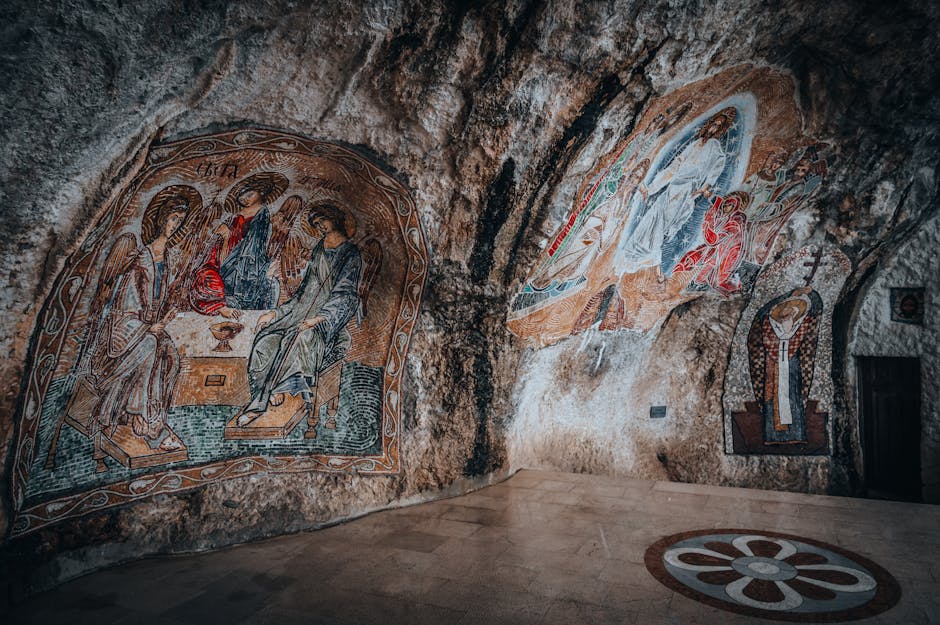

Top 10 Facts About Ancient Cave Paintings

Top 10 Facts About Ancient Cave Paintings

⏱️ 7 min read

Ancient cave paintings represent humanity's earliest known artistic expressions, offering a fascinating window into the minds and lives of our prehistoric ancestors. These remarkable works of art, created tens of thousands of years ago, continue to captivate archaeologists, art historians, and the general public alike. From the techniques used to create them to the meanings they may have conveyed, cave paintings reveal surprising sophistication and universal human impulses that transcend time.

Extraordinary Facts About Prehistoric Art

1. The Oldest Known Cave Art Dates Back Over 45,000 Years

The most ancient cave paintings discovered to date are found in Indonesia, specifically in the caves of Sulawesi. In 2019, researchers confirmed that a hunting scene depicting human-like figures and animals is at least 43,900 years old, making it the oldest known figurative artwork. However, even older non-figurative cave art exists, with hand stencils and abstract markings in Spain's El Castillo cave dating back approximately 40,800 years. Some red disks found in Spanish caves may be as old as 64,000 years, though debate continues about whether these were created by Neanderthals or modern humans. These discoveries continually push back our understanding of when artistic expression first emerged in human evolution.

2. Prehistoric Artists Created Their Own Sophisticated Pigments

Cave painters demonstrated remarkable chemical knowledge by manufacturing their own pigments from natural materials. Red and yellow ochres were created from iron oxide minerals, while black came from manganese dioxide or charcoal. White was derived from clay or ground calcite. These materials were carefully ground into powder and mixed with binding agents such as animal fat, bone marrow, blood, or plant resins to create paint that would adhere to cave walls. Some pigments have survived for millennia because of the stable chemical composition and the protected environment of deep caves. Analysis of these ancient paints reveals that prehistoric artists understood material properties and developed recipes that could be replicated and passed down through generations.

3. Multiple Application Techniques Were Used

Ancient artists employed various sophisticated methods to apply their pigments to cave walls. Some paintings were created by blowing pigment through hollow bones or reeds, essentially creating an early form of spray painting. Others used brushes made from animal hair, twigs, or chewed sticks. Fingers were also commonly used for direct application, and in some cases, artists used pads made from moss or fur. Hand stencils, created by placing a hand on the wall and blowing pigment around it, are particularly common and create haunting negative images. The choice of technique often depended on the desired effect, the surface texture of the cave wall, and the available tools.

4. Animals Dominate Cave Painting Subject Matter

The vast majority of cave paintings depict animals, with horses, bison, aurochs, deer, and mammoths being the most frequently represented species. Interestingly, the animals depicted were not always the ones most commonly hunted for food, suggesting that these paintings served purposes beyond simple documentation of daily life. Predators like lions, bears, and hyenas appear less frequently but are present in significant numbers at certain sites. The animals are often rendered with remarkable anatomical accuracy and dynamic movement, indicating close observation and intimate knowledge of animal behavior. This focus on fauna provides valuable information about which species coexisted with prehistoric humans and how these populations viewed the animal world around them.

5. Human Figures Are Surprisingly Rare and Abstract

While animals are depicted with great realism and detail, human figures in cave art are relatively uncommon and typically rendered in a much more abstract or simplified manner. When humans do appear, they are often shown as stick figures or anthropomorphic shapes that combine human and animal features. This stark contrast between the realistic portrayal of animals and the schematic representation of humans has puzzled researchers for decades. Some theories suggest this indicates a different spiritual or conceptual relationship with animals, while others propose that depicting humans realistically may have been taboo. The few detailed human representations that do exist often show people engaged in hunting or ritual activities.

6. Deep Cave Locations Suggest Ritualistic Purpose

Many cave paintings are located in extremely difficult-to-reach areas, deep within cave systems where prehistoric people did not live. Some paintings are found in chambers that require crawling through narrow passages or navigating dangerous underground terrain. The famous Lascaux cave paintings in France, for example, are located far from the cave entrance in areas with no natural light. This deliberate choice of location suggests that creating and viewing these paintings was part of ritualistic or ceremonial activities rather than casual decoration of living spaces. The acoustic properties of some painted chambers also indicate they may have been chosen for sound quality, possibly for accompanying rituals with chanting or music.

7. Evidence of Shamanic Practices Appears in Cave Art

Certain elements within cave paintings suggest connections to shamanic practices and altered states of consciousness. Therianthropes—figures combining human and animal characteristics—appear in several important cave art sites and may represent shamans in ritual transformation. Geometric patterns, including dots, grids, and zigzags, are also common and resemble entoptic phenomena that people experience during trance states. Some researchers propose that these abstract symbols represent visions seen during shamanic journeys induced by rhythmic drumming, sensory deprivation in dark caves, or possibly psychoactive substances. These theories remain debated, but they offer intriguing possibilities for understanding the spiritual dimensions of prehistoric art.

8. The Same Caves Were Used Across Thousands of Years

Archaeological evidence shows that certain caves were revisited and painted over enormous spans of time, sometimes across 20,000 years or more. Different layers of artwork, created by successive generations separated by millennia, overlap in some locations. This pattern suggests that specific sites held enduring sacred or cultural significance that transcended individual cultures and time periods. The consistency of artistic themes across these vast timescales indicates that certain traditions and knowledge systems were remarkably stable and were passed down through countless generations. This long-term use also demonstrates that prehistoric societies had sophisticated methods of cultural transmission and memory preservation.

9. Climate and Environment Are Recorded in the Artwork

Cave paintings serve as valuable records of past climates and ecosystems, depicting species that no longer exist or no longer inhabit the regions where they were painted. Images of woolly mammoths, woolly rhinoceroses, and other Ice Age megafauna provide evidence of the animals that roamed Europe during the Pleistocene epoch. Changes in the species depicted over time can indicate shifting climatic conditions and the resulting transformations in local fauna. Some paintings show vegetation and landscape features that help researchers reconstruct ancient environments. This artistic record complements other archaeological and geological evidence, offering unique insights into how prehistoric humans experienced and adapted to dramatic environmental changes.

10. Modern Technology Continues to Reveal New Discoveries

Advanced imaging techniques and scientific analysis methods are revolutionizing our understanding of cave art. Multispectral imaging can reveal faded or hidden layers of pigment invisible to the naked eye, uncovering previously unknown paintings or earlier versions beneath visible artwork. Three-dimensional scanning creates detailed models that allow researchers to study the relationship between painted images and the natural contours and textures of cave walls. Radiocarbon dating of organic materials in pigments provides increasingly precise age estimates. DNA analysis of saliva in blown pigment can even identify individual artists. These technologies continue to yield surprising discoveries, including new caves, previously undetected artwork in known sites, and refined understanding of ancient artistic techniques and materials.

Conclusion

Ancient cave paintings represent far more than simple decorations or primitive doodling. These sophisticated artworks demonstrate that our prehistoric ancestors possessed complex symbolic thinking, advanced technical skills, and rich spiritual lives. From the carefully manufactured pigments to the deliberate selection of remote locations, every aspect of cave art reflects intentional choices and deep cultural meanings. Whether serving shamanic rituals, recording observations of the natural world, or fulfilling purposes we have yet to understand, these paintings connect us to the earliest expressions of human creativity. As modern technology continues to unlock their secrets, cave paintings remind us that the impulse to create art and communicate through visual symbols is fundamental to human nature, transcending tens of thousands of years of cultural and technological change.