






⏱️ 8 min read
The Earth's atmosphere is a dynamic system capable of producing weather phenomena that range from the everyday to the utterly extraordinary. While most people are familiar with rain, snow, and thunderstorms, our planet occasionally displays meteorological marvels so rare that many people go their entire lives without witnessing them. These exceptional atmospheric events reveal the complex interplay between temperature, pressure, moisture, and geography, creating spectacles that seem almost otherworldly. From glowing night clouds at the edge of space to waves that roll across the sky, these rare weather phenomena showcase nature's capacity for breathtaking displays.
Extraordinary Atmospheric Phenomena
1. Fire Rainbows: The Circumhorizontal Arc
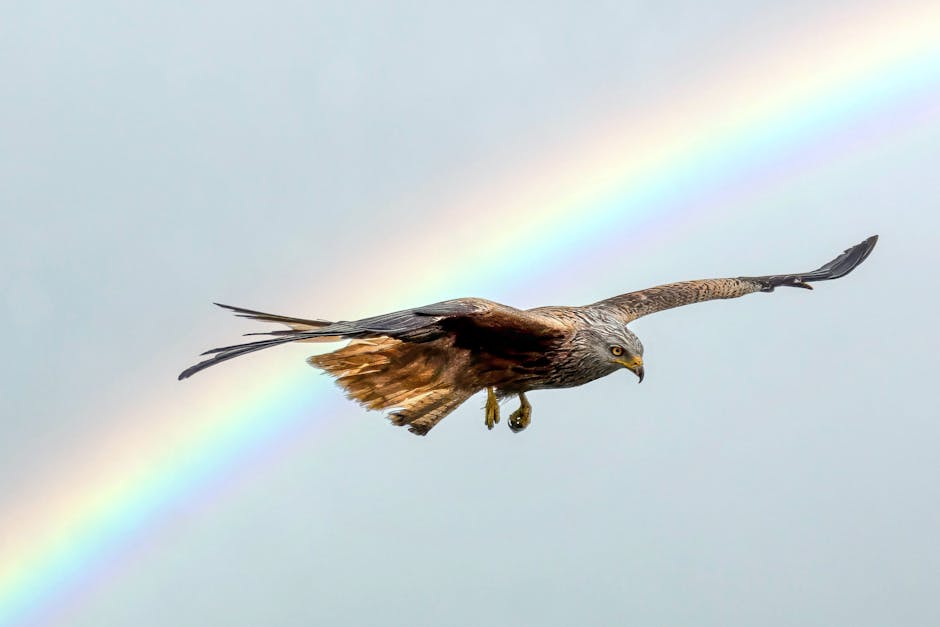
Despite its dramatic name, a fire rainbow has nothing to do with fire or actual rainbows. This rare optical phenomenon, scientifically known as a circumhorizontal arc, occurs when sunlight passes through ice crystals in cirrus clouds at a very specific angle. For this event to happen, the sun must be at least 58 degrees above the horizon, and the ice crystals must be plate-shaped and horizontally aligned. The result is a brilliant, rainbow-colored band that appears to run parallel to the horizon, often spanning vast distances across the sky. This phenomenon is more commonly observed in mid-latitude regions during summer months when the sun reaches the necessary elevation.
2. Volcanic Lightning: Thunder in the Ash
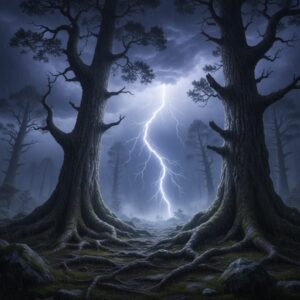
When volcanoes erupt with sufficient force, they can generate their own lightning within the ash plume, creating one of nature's most dramatic displays. This rare phenomenon, called volcanic or dirty thunderstorms, occurs when ash particles, rock fragments, and ice collide within the eruption column, creating static electricity. As these charges build up and separate, lightning bolts streak through the dark ash cloud, illuminating it from within. The combination of glowing lava, billowing ash, and crackling electricity creates an apocalyptic scene that has been documented at major eruptions worldwide, though it remains relatively rare and difficult to predict.
3. Noctilucent Clouds: Twilight at the Edge of Space
Noctilucent clouds are the highest clouds in Earth's atmosphere, forming at altitudes of approximately 76 to 85 kilometers above sea level in the mesosphere. These ethereal, silvery-blue clouds are only visible during astronomical twilight when the sun has set at ground level but still illuminates these high-altitude ice crystals. Composed of ice forming on meteor dust particles, noctilucent clouds typically appear during summer months at high latitudes. They are so rare and high in the atmosphere that they were virtually unknown before the industrial age, and scientists continue to study whether their increasing frequency is related to climate change and methane emissions.
4. Ball Lightning: The Mysterious Floating Orb
Ball lightning remains one of meteorology's greatest enigmas—a rare phenomenon characterized by glowing, spherical objects that appear during thunderstorms and float through the air for several seconds before disappearing. Witnesses describe these orbs as ranging from golf ball to beach ball size, displaying various colors, and sometimes passing through solid objects like windows or walls. Despite thousands of reported sightings throughout history, ball lightning has rarely been photographed or measured scientifically, leading to ongoing debates about its true nature and the mechanisms behind its formation. Various theories suggest it may involve plasma, chemical reactions, or electromagnetic phenomena.
Unusual Optical and Atmospheric Events
5. Morning Glory Clouds: Rolling Waves in the Sky
Morning Glory clouds are rare, spectacular formations that appear as rolling, tube-shaped clouds stretching for hundreds of kilometers across the sky. These low-level atmospheric solitary waves are most reliably observed in the Gulf of Carpentaria region of northern Australia, particularly near the town of Burketown. The clouds form when sea breezes from opposite sides of the Cape York Peninsula collide, creating a disturbance in the atmosphere. These rotating horizontal cylinders can travel at speeds up to 60 kilometers per hour and may appear as a series of up to ten parallel cloud lines. Glider pilots seek out these formations for the dramatic lift they provide.
6. Halos and Sun Dogs: Ice Crystal Artistry
When sunlight interacts with ice crystals suspended in the atmosphere, it can create a family of optical phenomena including halos, sun dogs, and light pillars. Sun dogs, also called parhelia, appear as bright spots on either side of the sun, often displaying rainbow colors. These occur when sunlight refracts through hexagonal ice crystals with their flat faces oriented horizontally. The 22-degree halo, a ring of light surrounding the sun or moon, forms through similar ice crystal interactions. While somewhat more common than other phenomena on this list, the complete and vividly colored displays are rare and require specific atmospheric conditions to achieve their full magnificence.
7. Snow Donuts: Nature's Tumbleweeds
Snow donuts, also called snow rollers, are rare cylindrical formations that occur when wind picks up and rolls chunks of snow across a snow-covered surface. For these natural sculptures to form, conditions must be extraordinarily precise: the ground snow must be icy enough that new snow won't stick to it, the new snow must be wet and cohesive enough to roll, and wind speeds must fall within a narrow range—strong enough to move the snow but not so strong as to blow it apart. As the cylinder rolls, it often creates a hollow center because the inner layers are thinner and blow away, leaving a perfect donut shape that can range from tennis ball to barrel size.
8. Fallstreak Holes: Punched-Out Sky Phenomena
Fallstreak holes, or hole-punch clouds, are dramatic circular or elliptical gaps that suddenly appear in mid- to high-level clouds, creating the appearance that something has punched through the cloud layer. These formations occur when supercooled water droplets in the cloud suddenly freeze and fall as ice crystals, creating a domino effect. This process is often triggered by aircraft passing through the cloud layer, with the plane's wings providing the slight disturbance needed to initiate ice crystal formation. The resulting holes can span several kilometers in diameter and are sometimes accompanied by virga—trails of precipitation that evaporate before reaching the ground.
Extreme and Dangerous Phenomena
9. Fire Tornadoes: Spinning Infernos
Fire tornadoes, or fire whirls, represent the terrifying convergence of combustion and atmospheric vortices. These form when intense heat from wildfires or large conflagrations creates strong updrafts that begin to rotate due to wind shear or the fire's own dynamics. True fire tornadoes are exceptionally rare and require the same atmospheric conditions as regular tornadoes combined with a massive heat source. They can reach temperatures of over 1,000 degrees Celsius and generate winds exceeding 160 kilometers per hour, making them extremely dangerous. The most notable documented fire tornado occurred during the 2003 Canberra bushfires in Australia, where one achieved the intensity of an EF-3 tornado.
10. Catatumbo Lightning: The Eternal Storm
At the mouth of the Catatumbo River in Venezuela, where it meets Lake Maracaibo, a unique atmospheric phenomenon produces lightning on up to 260 nights per year, earning it recognition as the lightning capital of the world. This localized eternal storm generates lightning strikes for up to ten hours at a time, sometimes producing as many as 280 strikes per hour. The phenomenon results from the unique geography: warm trade winds from the Caribbean meet cold air from the Andes Mountains over the lake, creating ideal conditions for thunderstorm development. The methane from extensive wetlands may also contribute to the extraordinary electrical activity, creating a natural lighthouse visible from vast distances.
11. Brinicles: The Underwater Icicle of Death
While technically an oceanic rather than purely atmospheric phenomenon, brinicles form due to atmospheric conditions and represent one of nature's most alien creations. When sea ice forms at the polar ocean surface, it expels salt, creating a stream of extremely cold, dense brine that sinks toward the seafloor. As this brine descends, it freezes the less-salty water around it, creating a hollow tube of ice that grows downward like a frozen stalactite. If a brinicle reaches the ocean floor, it can spread outward, freezing everything in its path, including slow-moving sea creatures like starfish and sea urchins, giving it the nickname "icicle of death."
12. Sprites, Elves, and Blue Jets: Lightning's Upper Atmosphere Cousins
Above powerful thunderstorms, rare electrical phenomena occur in the upper atmosphere that were only confirmed to exist in recent decades. Sprites are large-scale electrical discharges that appear as red flashes above storm clouds, sometimes resembling jellyfish with trailing tendrils. Elves are expanding rings of light that spread across the ionosphere at nearly the speed of light. Blue jets shoot upward from the tops of thunderclouds into the stratosphere. These transient luminous events last only milliseconds and are difficult to observe from the ground because the thunderstorm itself blocks the view, requiring specialized high-altitude or space-based observation equipment to capture.
The Wonder of Atmospheric Diversity
These twelve rare weather events remind us that Earth's atmosphere is far more complex and capable of wonder than our daily weather experiences might suggest. From the edge of space to beneath the polar seas, from optical illusions created by ice crystals to genuine electrical mysteries, these phenomena showcase the intricate physics that govern our planet's weather systems. While some occur only under extraordinarily specific conditions and others remain partially unexplained by science, each represents a unique intersection of temperature, pressure, chemistry, and physics. As climate patterns shift and observation technology improves, scientists continue to discover and document these rare events, deepening our understanding of the atmospheric processes that make such wonders possible. The next time you look skyward, remember that beyond the clouds you see lies a realm of possibilities where nature occasionally unveils its most spectacular and rare meteorological masterpieces.