









1 / 10 Questions
0 Points

Which Legendary Band Started Out Called The Quarrymen?

The Beach Boys

The Rolling Stones

The Beatles

The Who

Points won
0
Correct score
0%

More questions

More Articles

Top 10 Most Mysterious Archaeological Discoveries

Top 10 Most Mysterious Archaeological Discoveries

⏱️ 6 min read

Throughout history, archaeologists have unearthed countless artifacts and sites that challenge our understanding of ancient civilizations. Some discoveries continue to baffle researchers, sparking debates that have lasted decades or even centuries. These enigmatic finds offer tantalizing glimpses into the past while raising more questions than they answer, reminding us how much we still have to learn about our ancestors and their remarkable achievements.

Enigmatic Relics That Continue to Puzzle Experts

1. The Antikythera Mechanism: Ancient Greek Computer

Recovered from a shipwreck off the Greek island of Antikythera in 1901, this corroded bronze device dates back to approximately 100 BCE and represents one of archaeology's most confounding discoveries. The mechanism contains a complex system of at least 30 meshing bronze gears housed in a wooden frame. Modern research has revealed it functioned as an astronomical calculator, capable of predicting solar eclipses, tracking the Olympic Games cycle, and displaying the positions of celestial bodies. The sophistication of this ancient computer suggests a level of technological advancement that wouldn't be seen again for over a millennium, fundamentally challenging assumptions about ancient Greek engineering capabilities.

2. The Nazca Lines of Peru

Etched into the arid Peruvian coastal plain, these enormous geoglyphs created by the Nazca culture between 500 BCE and 500 CE cover nearly 450 square kilometers. The designs include geometric patterns, straight lines extending for kilometers, and over 70 depictions of animals, plants, and imaginary beings. Some figures measure up to 370 meters across. The mystery deepens when considering that these massive designs can only be fully appreciated from the air, yet the Nazca people had no known flight capabilities. Theories about their purpose range from astronomical calendars to religious pathways, though no definitive explanation has gained universal acceptance among researchers.

3. Göbekli Tepe: The World's Oldest Temple Complex

Discovered in southeastern Turkey in 1963 but not excavated until 1995, Göbekli Tepe has revolutionized understanding of prehistoric societies. Dating to approximately 9600 BCE, this site predates Stonehenge by 6,000 years and the Egyptian pyramids by 7,000 years. The complex features massive T-shaped limestone pillars arranged in circles, some weighing up to 20 tons and decorated with intricate carvings of animals. The profound mystery lies in how hunter-gatherer societies, previously thought incapable of such organization, could construct this architectural marvel before the development of agriculture, pottery, or metal tools. This discovery has forced archaeologists to reconsider the timeline of human social and technological development.

4. The Voynich Manuscript's Undeciphered Code

This 15th-century illustrated codex, carbon-dated to approximately 1404-1438, contains approximately 240 vellum pages filled with text in an unknown writing system accompanied by bizarre illustrations of unidentifiable plants, astronomical diagrams, and mysterious nude figures. Despite efforts by professional cryptographers, linguists, and even World War II codebreakers, no one has successfully deciphered the manuscript's contents. Statistical analysis suggests the text follows natural language patterns, ruling out simple hoax theories, yet the writing system matches no known language. The manuscript's origin, author, purpose, and meaning remain completely unknown, making it perhaps the world's most mysterious book.

5. The Submerged City of Yonaguni

Off the coast of Japan's Yonaguni Island lies a massive underwater rock formation discovered in 1986. The structure features what appear to be carved steps, terraces, pillars, and right-angled corners submerged beneath 25 meters of water. While some geologists argue these formations resulted from natural geological processes, others believe they represent the remains of an ancient civilization dating back 10,000 years or more. The debate continues regarding whether Yonaguni represents a natural wonder or evidence of a prehistoric culture that existed before the end of the last Ice Age when sea levels were significantly lower.

6. The Baghdad Battery's Electric Mystery

Discovered in 1936 near Baghdad, Iraq, this 2,000-year-old artifact consists of a clay jar containing a copper cylinder surrounding an iron rod. When filled with acidic liquid like vinegar or wine, the device can generate approximately 1.5 volts of electricity. This has led to speculation that ancient Mesopotamians possessed knowledge of electrochemistry, possibly using these devices for electroplating gold onto silver objects. However, critics argue the jars may have served as scroll containers, and their electrical properties are merely coincidental. The true purpose of these mysterious vessels remains hotly debated.

7. The Giant Stone Spheres of Costa Rica

Scattered throughout the Diquís Delta of southern Costa Rica, hundreds of nearly perfect stone spheres ranging from a few centimeters to over two meters in diameter have mystified researchers since their discovery in the 1930s. Created by the Diquís culture between 600 and 1000 CE, some spheres weigh up to 15 tons. The precision of their spherical shape is remarkable, with some varying less than a few millimeters from geometric perfection. How pre-Columbian peoples achieved this accuracy without metal tools remains unknown, as does the spheres' purpose, though theories include astronomical markers, status symbols, or territorial boundaries.

8. The Piri Reis Map's Impossible Knowledge

This 1513 world map, created by Ottoman admiral and cartographer Piri Reis, depicts the coastlines of Europe, North Africa, and South America with remarkable accuracy. Most mysteriously, it appears to show the coast of Antarctica without ice coverage—yet Antarctica wasn't officially discovered until 1820 and wasn't fully mapped until the 1950s. The continent has been covered by ice for millions of years. Piri Reis claimed to have compiled the map from approximately 20 source maps, some allegedly dating to the time of Alexander the Great. How these source maps could contain such detailed knowledge remains unexplained.

9. The Sacsayhuamán Fortress Walls

Located on the outskirts of Cusco, Peru, this Incan complex features massive stone walls constructed from enormous limestone blocks weighing up to 200 tons, fitted together with such precision that not even a piece of paper can slide between them. No mortar was used in construction. The mystery lies in how the Inca, who had no wheeled vehicles, iron tools, or written language, could quarry, transport, shape, and position these megalithic stones with such incredible accuracy. Some blocks feature dozens of angles and faces that interlock perfectly with surrounding stones, suggesting engineering knowledge that seems anachronistic for their era.

10. The Mohenjo-Daro Ancient Nuclear Devastation Theory

This ancient city of the Indus Valley Civilization, dating to 2500 BCE in present-day Pakistan, was mysteriously abandoned around 1900 BCE. Among the ruins, archaeologists discovered skeletons scattered in streets and buildings, some showing radiation levels 50 times higher than normal. Certain stones appeared vitrified or fused together at extremely high temperatures. While mainstream archaeology attributes the city's demise to climate change, flooding, or invasion, alternative researchers point to ancient Sanskrit texts describing weapons resembling nuclear devices. Though controversial and largely dismissed by academics, the unusual evidence at Mohenjo-Daro continues to generate speculation about advanced ancient technologies or catastrophic events.

The Enduring Appeal of Archaeological Mysteries

These ten remarkable discoveries demonstrate that despite centuries of archaeological research and technological advancement, our understanding of ancient civilizations remains incomplete. Each mystery serves as a humbling reminder that past societies possessed knowledge, capabilities, and motivations that continue to elude modern interpretation. Whether these enigmas will eventually yield to scientific investigation or remain forever shrouded in mystery, they continue to inspire wonder, fuel debate, and drive archaeological exploration forward, ensuring that the quest to understand our ancestors' achievements remains one of humanity's most compelling endeavors.

Did You Know? 12 Strange Natural Phenomena

Did You Know? 12 Strange Natural Phenomena

⏱️ 7 min read

Our planet is home to countless wonders that continue to baffle scientists and captivate observers worldwide. From mysterious lights dancing across the sky to bizarre geological formations that seem to defy logic, nature has an extraordinary ability to surprise us. These unusual occurrences remind us that despite our scientific advances, Earth still holds many secrets waiting to be understood. Here are twelve remarkable natural phenomena that showcase the strange and spectacular side of our world.

Atmospheric and Sky Phenomena

1. Catatumbo Lightning: The Never-Ending Storm

At the mouth of the Catatumbo River in Venezuela, nature puts on one of the most persistent electrical shows on Earth. This phenomenon occurs up to 260 nights per year, lasting up to 10 hours per night, with lightning striking as frequently as 280 times per hour. The unique combination of warm Caribbean winds colliding with cool Andes mountain air, combined with methane gas from the region's marshlands, creates perfect conditions for continuous thunderstorm activity. Local communities have historically used this reliable phenomenon as a natural lighthouse for navigation.

2. Fire Rainbows: Circumhorizontal Arcs

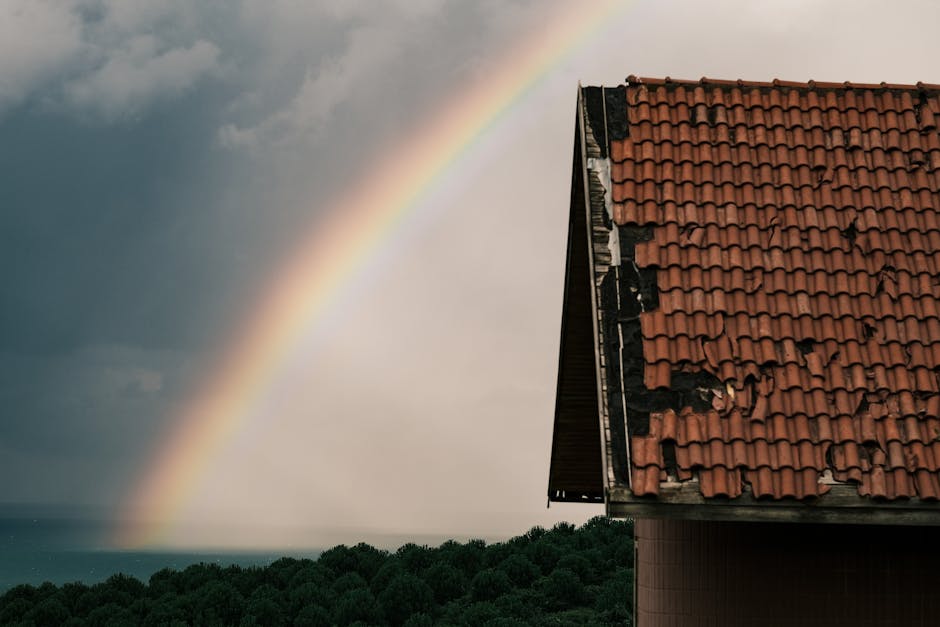
Despite their colorful name, fire rainbows are neither fire nor rainbows. These rare optical phenomena occur when sunlight passes through ice crystals in cirrus clouds at a specific angle. The sun must be at least 58 degrees above the horizon, and the hexagonal ice crystals must be horizontally aligned. When these conditions align, the result is a spectacular rainbow-like band of colors that appears to run parallel to the horizon, creating the illusion that the clouds themselves are on fire with brilliant hues.

3. Bioluminescent Waves: The Sea of Stars

Certain beaches around the world occasionally transform into ethereal landscapes where every wave sparkles with blue light. This magical phenomenon is caused by bioluminescent phytoplankton, primarily dinoflagellates, which emit light when disturbed by movement. The microorganisms produce light through a chemical reaction as a defense mechanism. Famous locations for observing this phenomenon include the Maldives, Puerto Rico's Mosquito Bay, and California's coastline, where the conditions are ideal for these glowing organisms to thrive in massive concentrations.

Geological Wonders

4. Sailing Stones of Death Valley

In California's Death Valley, rocks weighing up to 700 pounds mysteriously move across the desert floor, leaving long trails behind them without any apparent cause. For decades, this phenomenon puzzled scientists until recent research revealed the answer. During rare winter conditions, thin layers of ice form on the playa surface overnight. As the ice melts and breaks apart in the morning sun, light winds push the ice sheets, which in turn push the rocks across the slick mud surface. The movement is so slow that it's rarely observed directly, adding to the mystery.

5. Eternal Flame Falls: Fire Beneath the Waterfall

At Chestnut Ridge Park in New York, a small waterfall hides an extraordinary secret: a flame that burns behind the cascade of water. This natural gas leak creates a flame approximately four inches tall that burns year-round in a small grotto beneath the falls. While natural gas seeps are relatively common, the unique positioning of this flame behind flowing water makes it particularly remarkable. The gas emanates from ancient, extremely hot rocks deep underground, and occasionally the flame extinguishes and must be relit by visitors, but it continues to burn under the most improbable circumstances.

6. Danxia Landforms: Rainbow Mountains

The Zhangye Danxia Landform in China appears as though an artist painted the mountains with every color imaginable. These geological formations developed over millions of years as layers of different colored sandstone and minerals were pressed together, then buckled and warped by tectonic plate movement. The result is mountainous terrain with stunning bands of red, yellow, orange, green, and blue. Erosion continues to sculpt these formations, revealing new layers and patterns. Similar formations exist in other parts of the world, but the Chinese examples are particularly vivid and extensive.

Weather and Climate Curiosities

7. Morning Glory Clouds: Rolling Sky Tubes

In the Gulf of Carpentaria in northern Australia, massive rolling clouds can stretch up to 600 miles long and travel at speeds up to 35 miles per hour. These rare roll clouds, known as Morning Glory clouds, can reach heights of nearly two miles and appear as enormous tubes rolling across the sky. The phenomenon occurs when sea breezes from both sides of the Cape York Peninsula collide, creating a distinctive wave pattern in the atmosphere. Glider pilots from around the world travel to this remote location specifically to ride the powerful updrafts these clouds create.

8. Ice Circles: Nature's Frozen Spirographs

In slow-moving rivers and lakes in cold climates, perfectly circular discs of ice sometimes form, rotating slowly in the water. These ice circles can range from a few feet to over 500 feet in diameter. Scientists believe they form when a piece of ice breaks off and gets caught in a slow eddy or vortex. The rotation gradually grinds against surrounding ice and water, smoothing the edges into an almost perfect circle. The phenomenon has been documented in Scandinavia, North America, and Russia, often appearing in clusters of multiple rotating discs.

Rare Biological Events

9. Red Tide: The Crimson Sea

Coastal waters occasionally transform into what appears to be blood-red seas, a phenomenon known as red tide. This dramatic color change is caused by massive blooms of algae, typically dinoflagellates containing red pigments. While beautiful to observe, red tides can be dangerous, as many of these algae species produce toxins harmful to marine life, birds, and humans. The phenomenon has been recorded throughout history, with some researchers believing biblical references to waters turning to blood may have described red tide events. Factors contributing to red tides include warm water temperatures, high nutrient levels, and calm seas.

10. Monarch Butterfly Migration Clusters

Every year, millions of monarch butterflies undertake an incredible journey spanning up to 3,000 miles from Canada and the United States to specific mountain forests in Mexico. What makes this particularly remarkable is that no single butterfly completes the entire round trip; it takes three to four generations to complete the cycle. During their Mexican winter residence, monarchs cluster so densely on oyamel fir trees that branches bend under their collective weight, creating orange curtains of butterflies. The trees appear to come alive when temperatures warm and millions of butterflies simultaneously take flight.

Underground Mysteries

11. Movile Cave: An Alien Ecosystem

Sealed off from the outside world for 5.5 million years, Movile Cave in Romania contains an ecosystem unlike any other on Earth. The cave atmosphere is toxic to most life forms, containing high levels of hydrogen sulfide and carbon dioxide with minimal oxygen. Yet it thrives with unique species found nowhere else, including transparent spiders, water scorpions, and leeches. The entire ecosystem operates on chemosynthesis rather than photosynthesis, with bacteria converting chemicals from the cave's sulfur-rich waters into energy. This discovery has profound implications for the search for extraterrestrial life.

12. Penitentes: Snow Blade Forests

In high-altitude regions of the Andes Mountains, snowfields sometimes develop into forests of tall, thin blades of hardened snow or ice, known as penitentes. These formations can reach heights of 15 feet and resemble a crowd of hooded monks, which inspired their name. Penitentes form through sublimation, where snow transforms directly into water vapor without melting. Subtle differences in the snow surface cause some areas to sublimate faster than others, gradually carving deep troughs between remaining spires. The phenomenon requires specific conditions: high altitude, low humidity, intense sunlight, and particular angles of sun exposure.

Understanding Nature's Spectacular Side

These twelve natural phenomena represent just a fraction of Earth's extraordinary displays. Each offers insights into the complex interactions between geology, climate, chemistry, and biology that shape our planet. While science has provided explanations for many of these occurrences, witnessing them firsthand remains a profound experience that connects us to nature's power and mystery. These phenomena remind us that our planet continues to surprise and inspire, encouraging continued exploration and appreciation of the natural world. As climate and environmental conditions change, some of these rare events may become even more unusual or shift in character, making their documentation and study increasingly important for future generations.