






⏱️ 7 min read
Animated films have captivated audiences for generations, but behind every beloved character lies a treasure trove of fascinating stories, unexpected inspirations, and creative decisions that shaped the final product. From last-minute changes to surprising real-life influences, these behind-the-scenes tales reveal the remarkable journey animated characters take from concept to screen.
Behind the Magic: Surprising Stories from Animation History
1. Mickey Mouse's Near-Death Experience
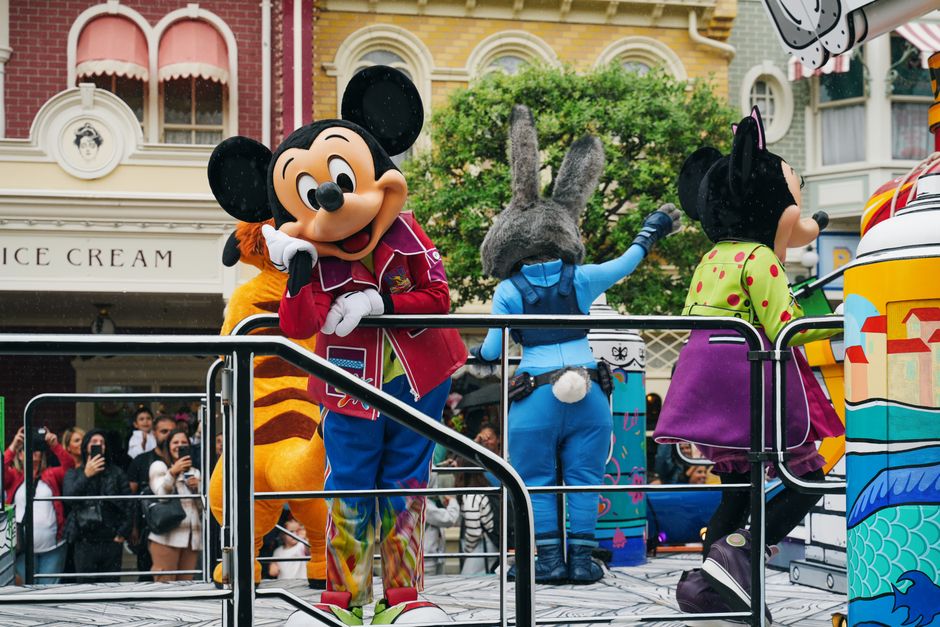
Before Mickey Mouse became the iconic symbol of Disney, Walt Disney originally created a character named Oswald the Lucky Rabbit. When Disney lost the rights to Oswald in 1928 due to a contract dispute with Universal Pictures, he was devastated but determined. During a train ride back from New York, Disney sketched a new character—a mouse he initially wanted to name Mortimer. His wife, Lillian, convinced him that Mickey sounded friendlier, and thus the most famous mouse in history was born from the ashes of a business setback that could have ended Disney's career.
2. Genie's Improvised Comedy Gold
Robin Williams recorded approximately sixteen hours of material for his role as the Genie in Disney's "Aladdin." The animators had so much improvised content to work with that they designed and animated scenes specifically around Williams' spontaneous riffs and celebrity impressions. Williams was given the freedom to ad-lib extensively, resulting in countless pop culture references and jokes that weren't in the original script. The animation team faced the unique challenge of creating visuals to match Williams' lightning-fast comedic delivery, fundamentally changing how voice acting could influence animation.
3. Shrek's Surprising Celebrity Inspiration
The character of Shrek was originally supposed to be voiced by Chris Farley, who recorded most of the dialogue before his untimely death in 1997. When Mike Myers took over the role, he initially recorded the lines in his normal speaking voice. After viewing the completed animation, Myers requested to re-record all his dialogue with a Scottish accent, inspired by the way his mother told him bedtime stories. DreamWorks agreed, despite the significant expense of re-animating Shrek's mouth movements to match the new accent—a decision that became integral to the character's identity.
4. Toy Story's Computer-Generated Revolution
Woody from "Toy Story" was originally designed as a villainous ventriloquist dummy, and the early test screenings were disasters. The character was sarcastic, cynical, and thoroughly unlikable. After receiving terrible feedback, Pixar shut down production for several months to completely overhaul Woody's personality, transforming him into the loyal, caring leader audiences know today. This near-failure of Pixar's first feature film taught the studio invaluable lessons about character development that would influence every subsequent production.
5. The Accidental Birth of Scooby-Doo
Scooby-Doo was inspired by Frank Sinatra. The character's name came from the famous scat singing in Sinatra's "Strangers in the Night" ("doo-be-doo-be-doo"). CBS executive Fred Silverman was listening to the song on a red-eye flight when he came up with the name change from the show's original title, "Mysteries Five." The character's cowardly personality was deliberately designed to contrast with other action heroes of the era, creating a more relatable and humorous protagonist for children's television.
6. Ariel's Hair-Raising Technical Challenge
The Little Mermaid's Ariel required groundbreaking animation techniques specifically for her flowing red hair. The animators had to draw her hair in nearly every frame to make it move naturally underwater, which was unprecedented at the time. Lead animator Glen Keane studied footage of astronauts in zero gravity and underwater scenes to capture the weightless movement. Ariel's hair became so iconic that it required its own team of animators dedicated solely to ensuring it moved correctly throughout the film, setting new standards for detailed character animation.
7. Edna Mode's Real-World Fashion Influence
Edna Mode from "The Incredibles" was partially based on legendary costume designer Edith Head, who won eight Academy Awards during her career. However, director Brad Bird also infused the character with elements of fashion designers Coco Chanel and Rei Kawakubo. Bird himself provided Edna's voice in what was supposed to be a temporary track for animators to work with, but the character came to life so perfectly with his vocal performance that they kept it in the final film. Edna's rule of "no capes" was a humorous nod to real fashion design principles and superhero practicality.
8. Elsa's Song That Changed Everything
Queen Elsa from "Frozen" was originally written as the villain of the story. However, when songwriters Robert Lopez and Kristen Anderson-Lopez wrote "Let It Go," the entire narrative shifted. The song was so powerful and empowering that the filmmakers completely rewrote Elsa's character arc, transforming her from antagonist to misunderstood protagonist. This single song changed the fundamental story structure of "Frozen" and became a cultural phenomenon, demonstrating how one creative element can reshape an entire production.
9. Dory's Memory Problem Solution
Ellen DeGeneres' portrayal of Dory in "Finding Nemo" was so natural because director Andrew Stanton wrote the character specifically with her in mind. However, DeGeneres initially turned down the role multiple times because she didn't think she was right for it. Stanton persisted, and DeGeneres' genuine improvisational style brought an authenticity to Dory's short-term memory loss that made the character both humorous and touching. Her performance was so beloved that it took thirteen years to create a sequel worthy of the character, resulting in "Finding Dory."
10. SpongeBob's Marine Biology Origins
SpongeBob SquarePants creator Stephen Hillenburg was a marine biology teacher before becoming an animator, and he originally created the character for an educational comic book called "The Intertidal Zone." SpongeBob was initially named SpongeBoy, but the name was already trademarked. Hillenburg's background in marine science influenced every aspect of Bikini Bottom, blending accurate ocean facts with absurdist humor. The character's square shape was deliberately chosen to distinguish him from the typical round cleaning sponge and to make him more distinctive and easier to animate.
11. Simba's Shakespearean Roots
The Lion King's Simba and the entire storyline were heavily influenced by Shakespeare's "Hamlet," though the Disney version obviously has a happier ending. The writers drew parallels between Simba and Prince Hamlet, Mufasa and King Hamlet, and Scar and Claudius. Even the character of Rafiki serves a similar role to Hamlet's father's ghost, providing guidance from beyond. This Shakespearean framework gave the animated film a depth and complexity that resonated with adult audiences while still entertaining children, contributing to its massive success.
12. Bugs Bunny's Carrot-Chomping Tribute
Bugs Bunny's famous carrot-eating habit and casual demeanor were directly inspired by Clark Gable's character in the 1934 film "It Happened One Night." In one scene, Gable leans against a fence, chomping on a carrot while talking quickly—an image that animator Tex Avery found hilarious and adapted for Bugs. The carrot became such an integral part of Bugs' character that voice actor Mel Blanc had to actually chew real carrots during recordings to get the authentic crunching sound, though he'd spit them out between takes because he didn't particularly like carrots.
The Lasting Impact of These Stories
These twelve stories demonstrate that animated characters are far more than drawings or computer models—they're the result of creative inspiration, happy accidents, technical innovations, and countless hours of dedication from talented artists. Understanding the origins and evolution of beloved characters adds new appreciation for the artistry and problem-solving required in animation. From voice actors who defined their roles through improvisation to technical challenges that pushed the boundaries of what was possible, each story reveals how the animation industry has continually evolved. These behind-the-scenes tales remind us that some of the most magical moments in animation history came from unexpected sources, last-minute changes, and the willingness of creators to take risks and trust their instincts.