







1 / 10 Questions
0 Points

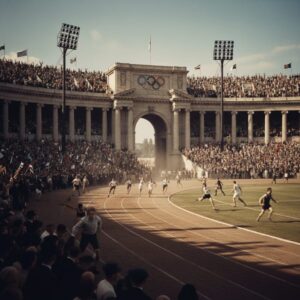
Which sport was once an Olympic event for 37 years?

Tug of war

Hot air ballooning

Art competition

Standing long jump

Points won
0
Correct score
0%

More questions

More Articles

Top 10 Iconic TV Moments That Changed Television

Top 10 Iconic TV Moments That Changed Television

⏱️ 6 min read

Television has the unique power to create cultural touchstones that transcend entertainment and shape society itself. Throughout its history, certain moments have stopped viewers in their tracks, sparked national conversations, and fundamentally altered what was possible on the small screen. These watershed events didn't just entertain millions—they redefined the medium's boundaries, challenged social norms, and demonstrated television's capacity to unite audiences around shared experiences. From groundbreaking technical achievements to courageous social commentary, these moments represent turning points that forever changed how we create, consume, and think about television.

Moments That Redefined Television History

1. Lucy and Ricky's Shared Bed and Pregnancy Storyline

When "I Love Lucy" aired in the 1950s, television operated under strict censorship codes that prohibited married couples from sharing a bed on screen. Lucille Ball and Desi Arnaz broke this barrier, and when Ball became pregnant in real life, the show made another revolutionary decision: incorporating her pregnancy into the storyline. The word "pregnant" couldn't be said on air, so they used "expecting," but the January 1953 episode featuring Little Ricky's birth drew 44 million viewers—more than watched President Eisenhower's inauguration the next day. This moment proved television could reflect real family life and set precedents for how personal storylines could be integrated into entertainment programming.

2. The First Interracial Kiss on Star Trek

On November 22, 1968, "Star Trek" aired "Plato's Stepchildren," featuring a kiss between Captain Kirk and Lieutenant Uhura—television's first scripted interracial kiss. During a period of intense racial tension in America, this moment was revolutionary. While some Southern stations refused to air the episode, the overwhelming response was positive, with Nichelle Nichols reporting that the episode generated more fan mail than any other. This bold move demonstrated television's potential as a progressive force and showed that science fiction could be a vehicle for social commentary, paving the way for diverse representation in future programming.

3. The Final Episode of M*A*S*H Draws Record Viewership

On February 28, 1983, 105.9 million Americans tuned in to watch "Goodbye, Farewell and Amen," the series finale of M*A*S*H. This remains one of the most-watched television broadcasts in U.S. history. The episode's success demonstrated television's unique ability to create communal experiences and proved that audiences would invest deeply in character-driven storytelling over multiple years. The finale's emotional depth and refusal to provide entirely happy endings showed that television comedy could tackle serious themes with nuance and complexity, raising the bar for what sitcoms could achieve artistically.

4. The CNN Coverage of the Gulf War

In January 1991, CNN's live coverage of Operation Desert Storm brought war into living rooms in unprecedented real-time detail. Reporters broadcasting from Baghdad as bombs fell demonstrated 24-hour news networks' capability to deliver immediate, continuous coverage of global events. This moment transformed CNN from a cable upstart into a essential news source and changed viewer expectations about news delivery. It established the template for how breaking news would be covered going forward and cemented television's role as the primary medium for experiencing major historical events as they unfold.

5. Ellen DeGeneres's Coming Out Episode

On April 30, 1997, Ellen DeGeneres came out as gay both in real life and through her character on the sitcom "Ellen." The episode, titled "The Puppy Episode," drew 42 million viewers and sparked intense national debate about LGBTQ+ representation on television. Despite backlash and the show's subsequent cancellation, this moment opened doors for authentic LGBTQ+ characters and storylines across television. It proved that major network stars could be openly gay and demonstrated television's power to humanize marginalized communities, contributing significantly to shifting public attitudes about LGBTQ+ rights.

6. The Sopranos Revolutionizes Serialized Drama

When "The Sopranos" premiered on HBO in 1999, it fundamentally changed what television drama could be. The show's cinematic quality, morally complex protagonist, and willingness to reject conventional narrative structures proved that television could rival film in artistic ambition. Its success launched the "Golden Age" of television and demonstrated that cable networks could produce prestige content that attracted both critical acclaim and devoted audiences. The show's influence is visible in virtually every serialized drama that followed, from "Breaking Bad" to "Mad Men," establishing the template for modern television storytelling.

7. American Idol Pioneers Interactive Reality Television

Debuting in 2002, "American Idol" transformed television by making audiences active participants through call-in voting. This interactivity created unprecedented engagement and proved that reality competition shows could dominate ratings while generating massive revenue. The show launched the careers of numerous music stars and demonstrated television's potential for audience participation beyond passive viewing. It influenced countless competition shows and helped networks understand the value of social engagement, essentially creating the blueprint for how modern reality television integrates viewer participation and social media interaction.

8. The Wire's Unflinching Social Commentary

HBO's "The Wire" (2002-2008) elevated television to the level of serious social literature, offering a complex, systemic examination of urban America through interwoven storylines about crime, education, media, and politics. While never a ratings hit during its original run, the show's sophisticated narrative structure and refusal to simplify complex social issues demonstrated television's capacity for deep social analysis. Its influence on how serialized dramas approach institutional critique and social realism has been profound, proving that television could function as serious art while addressing pressing social issues with intelligence and nuance.

9. The Streaming Revolution with House of Cards

When Netflix released all episodes of "House of Cards" simultaneously in February 2013, it disrupted traditional television distribution models and popularized binge-watching. This moment signaled the beginning of the streaming era and challenged fundamental assumptions about how television content should be released and consumed. The show's success proved that streaming platforms could produce quality original content competitive with traditional networks and fundamentally altered the television industry's business model. This shift empowered viewers with unprecedented control over their viewing experience and forced traditional networks to adapt or risk obsolescence.

10. The Global Phenomenon of Game of Thrones

HBO's "Game of Thrones" (2011-2019) demonstrated that television could create a global cultural phenomenon in the streaming age. With its cinematic production values, massive budget, and complex storytelling, the series proved audiences would embrace epic fantasy on television. Despite its controversial ending, the show's ability to generate worldwide simultaneous viewing and intense social media discussion showed that appointment television could still exist in the streaming era. It demonstrated that television could achieve blockbuster film-level spectacle while maintaining the deep character development possible in long-form storytelling, influencing how streaming platforms approach prestige content.

The Lasting Impact on Television

These ten moments represent more than just memorable television—they mark evolutionary leaps in the medium's development. From breaking social taboos to pioneering new distribution models, each moment expanded television's possibilities and influenced countless programs that followed. They demonstrated television's unique power to reflect and shape culture, push technological boundaries, and create shared experiences across diverse audiences. As television continues evolving through streaming platforms and new technologies, these landmark moments remind us of the medium's remarkable capacity for innovation and cultural impact. They set standards for creativity, courage, and ambition that continue inspiring television creators today, ensuring the medium remains a vital force in entertainment and society.


Top 10 Most Iconic Movie Quotes

Top 10 Most Iconic Movie Quotes

⏱️ 7 min read

Cinema has given us countless memorable moments, but nothing quite captures the essence of a film like a perfectly delivered line. These quotes transcend their original context, becoming part of our cultural lexicon and everyday conversations. They remind us of pivotal scenes, beloved characters, and the power of storytelling. From expressions of love to declarations of defiance, these ten iconic movie quotes have secured their place in film history.

The Most Unforgettable Lines in Cinema History

1. "Here's Looking at You, Kid" from Casablanca

Humphrey Bogart's tender line to Ingrid Bergman in the 1942 classic "Casablanca" remains one of the most romantic quotes in film history. Rick Blaine delivers this simple yet profound phrase multiple times throughout the film, with each utterance carrying different emotional weight. The beauty of this quote lies in its casual intimacy—it's not flowery or dramatic, but rather a genuine expression of affection that feels authentic. The line has become synonymous with bittersweet romance and has been referenced in countless films, television shows, and popular culture moments. Its enduring appeal demonstrates how sometimes the most powerful words are the simplest ones, spoken at precisely the right moment.

2. "May the Force Be With You" from Star Wars

George Lucas created more than just a space opera when he introduced this phrase in the original "Star Wars" film in 1977. This blessing became a universal expression of hope, encouragement, and goodwill that extends far beyond the galaxy far, far away. The quote's religious and spiritual undertones give it a gravitas that resonates with audiences of all backgrounds. It has been adapted into everyday language, used in graduations, business meetings, and personal farewells. The phrase encapsulates the entire philosophy of the Jedi Order and the struggle between good and evil that defines the franchise, making it both a greeting and a worldview.

3. "I'm Going to Make Him an Offer He Can't Refuse" from The Godfather

Marlon Brando's menacing promise in Francis Ford Coppola's 1972 masterpiece "The Godfather" perfectly encapsulates the film's exploration of power, family, and intimidation. Don Vito Corleone's calm delivery of this threat makes it all the more chilling—there's no need for raised voices when you wield absolute authority. The quote has become shorthand for coercive negotiation and has been parodied and referenced extensively in popular culture. What makes this line particularly effective is its euphemistic nature; it sounds almost polite while conveying an unmistakable threat. The phrase represents the sophisticated brutality that makes "The Godfather" such a compelling examination of organized crime.

4. "You Can't Handle the Truth!" from A Few Good Men

Jack Nicholson's explosive courtroom declaration in the 1992 legal drama became an instant classic the moment it was delivered. Colonel Nathan Jessup's breakdown under cross-examination captures the tension between military necessity and moral accountability. The line works on multiple levels—it's a direct response to Tom Cruise's character, a defense of military culture, and an indictment of civilian ignorance about what defending freedom truly requires. The quote's power comes from Nicholson's volcanic performance and the fundamental question it raises about whether society really wants to know the uncomfortable realities that protect it. This phrase has become a go-to reference for discussing harsh truths and willful ignorance.

5. "There's No Place Like Home" from The Wizard of Oz

Dorothy's repeated mantra while clicking her ruby slippers in the 1939 classic resonates with anyone who has ever felt displaced or homesick. This simple statement, delivered by Judy Garland with perfect sincerity, concludes one of cinema's greatest journeys with a profound truth about belonging and appreciation for what we have. The quote reminds viewers that adventure and excitement, while valuable, cannot replace the comfort and security of home and family. Its message is universal and timeless, teaching generations of viewers to value their roots while still encouraging them to explore the world. The line represents the culmination of Dorothy's character growth and her realization that happiness was always within reach.

6. "I'll Be Back" from The Terminator

Arnold Schwarzenegger's deadpan delivery of this promise in the 1984 science fiction thriller became his signature catchphrase and one of the most imitated lines in movie history. What makes this quote iconic is its simplicity and the literal truth behind it—the Terminator means exactly what he says. The three-word sentence perfectly captures the relentless, unstoppable nature of Schwarzenegger's cyborg character. Initially delivered as a threat before he drives a car through a police station, the line has been reused and referenced throughout the franchise and Schwarzenegger's career, evolving from menacing promise to reassuring guarantee depending on which side the character is fighting for.

7. "You Talking to Me?" from Taxi Driver

Robert De Niro's improvised mirror confrontation in Martin Scorsese's 1976 psychological thriller offers a disturbing glimpse into his character's deteriorating mental state. Travis Bickle's self-directed challenge, practiced repeatedly in his apartment, reveals his paranoia, loneliness, and barely contained violence. The scene works because it's simultaneously absurd and deeply unsettling—we're watching a man rehearse confrontations that exist only in his imagination. This quote has been endlessly parodied and referenced, often comedically, but the original context remains genuinely disturbing. It represents the dangerous fantasy life of someone disconnected from reality and preparing for violence.

8. "Frankly, My Dear, I Don't Give a Damn" from Gone with the Wind

Clark Gable's dismissive farewell to Vivien Leigh in the 1939 epic was shocking for its time, as "damn" was considered profane for Hollywood films. Rhett Butler's final words to Scarlett O'Hara represent the ultimate rejection and the end of their tumultuous relationship. The quote's lasting impact comes from its finality and brutal honesty—after years of Scarlett's manipulations and self-centered behavior, Rhett has simply run out of patience and emotion. The line resonated with audiences because it represented a rare moment in cinema where the male romantic lead walks away without looking back. Its placement as the conclusion to a four-hour epic makes it even more devastating and memorable.

9. "E.T. Phone Home" from E.T. the Extra-Terrestrial

This simple expression of longing from Steven Spielberg's 1982 science fiction classic captures the universal desire to connect with loved ones when far from home. The alien's broken English delivery makes the line both endearing and heartbreaking, communicating profound homesickness in just three words. The quote became instantly recognizable and remains one of the most imitated movie lines, particularly in comedic contexts. What makes it powerful is its emotional honesty—E.T.'s desire to return home mirrors the fears and longings of children and adults alike. The phrase also represents the film's central theme about friendship, connection, and the pain of separation.

10. "Here's Johnny!" from The Shining

Jack Nicholson's terrifying improvisation in Stanley Kubrick's 1980 horror masterpiece transformed Ed McMahon's famous introduction for Johnny Carson into nightmare fuel. As Jack Torrance breaks through a bathroom door with an axe, his deranged grin and twisted appropriation of a familiar television catchphrase creates cognitive dissonance that amplifies the horror. The quote works because it takes something associated with comfort and entertainment and perverts it into a herald of violence and madness. Nicholson's manic delivery perfectly encapsulates his character's complete psychological breakdown. The line has become inseparable from discussions of the film and horror cinema in general, representing how familiar things can become frightening in the right context.

The Lasting Impact of Memorable Dialogue

These ten quotes demonstrate cinema's unique power to create language that transcends the screen. They've become part of how we communicate, offering shorthand for complex emotions, situations, and ideas. Whether expressing love, issuing threats, or simply trying to get home, these lines capture universal human experiences in memorable ways. They remind us that sometimes a single perfectly crafted sentence can be more powerful than an entire speech, and that great screenwriting combined with exceptional performances creates moments that last forever. These quotes continue to be discovered by new generations, proving that truly iconic movie dialogue is timeless.