

















⏱️ 6 min read
The Silk Road stands as one of history's most romanticized trade networks, connecting East and West for over 1,500 years. However, centuries of storytelling have woven numerous myths into the fabric of its legacy. These misconceptions have shaped popular understanding of this ancient network, often obscuring the fascinating historical reality beneath. Let's explore twelve common myths about the Silk Road and uncover the truths they conceal.
Debunking Common Misconceptions
1. The Silk Road Was a Single, Continuous Route
Contrary to popular imagination, the Silk Road was never a singular highway stretching from China to Europe. Instead, it comprised an intricate web of interconnected trade routes spanning thousands of miles across diverse terrains. Merchants rarely traveled the entire distance; goods passed through numerous hands across multiple regions. Local traders would transport items to regional hubs, where other merchants would continue the journey westward or eastward. This relay system of trade was the actual mechanism that moved goods across continents.
2. Silk Was the Only Valuable Commodity Traded
While silk gave the network its name, it represented merely one of countless commodities exchanged along these routes. Precious metals, gemstones, spices, tea, porcelain, glassware, wool, precious woods, and paper all traveled these paths. Ideas, religions, technologies, and cultural practices proved equally valuable. Buddhism spread from India to China along these routes, while papermaking technology traveled westward. The Silk Road functioned as a conduit for cultural exchange as much as commercial trade.
3. The Routes Were Named "Silk Road" by Ancient Traders
The term "Silk Road" is surprisingly modern, coined by German geographer Ferdinand von Richthofen in 1877. Ancient merchants and travelers had no collective name for these trade networks. They simply knew individual routes, cities, and regions along their particular trading paths. This romantic designation emerged during the Victorian era's fascination with Oriental exoticism, centuries after the routes' peak importance had declined.
4. The Silk Road Was Primarily Overland
Maritime routes played a crucial role in Silk Road commerce, yet they're frequently overlooked in popular narratives. The Maritime Silk Road connected Chinese ports with Southeast Asia, India, the Arabian Peninsula, and East Africa. These sea routes often proved faster, safer, and more economical than overland caravans. Monsoon winds enabled predictable seasonal sailing, and ships could carry far heavier loads than camel caravans, making maritime trade increasingly important over time.
5. The Network Operated Continuously Throughout History
The Silk Road's activity fluctuated dramatically across centuries, influenced by political stability, warfare, disease, and economic conditions. The network flourished during the Han Dynasty, declined during periods of fragmentation, revived under the Tang Dynasty, and experienced renewed vigor during the Mongol Empire's Pax Mongolica. The rise of Ottoman power and the development of maritime routes to Asia by European powers in the 15th century gradually diminished the overland routes' importance. The Silk Road wasn't a constant feature of ancient life but rather experienced distinct periods of prosperity and decline.
6. Travel Along the Silk Road Was Always Dangerous and Exotic
Popular culture portrays Silk Road travel as a constant adventure filled with bandits, hostile tribes, and treacherous terrain. While dangers certainly existed, much of the journey involved mundane commercial activity in well-established trading cities. Many route sections passed through settled agricultural regions with developed infrastructure. Caravanserais provided safe lodging, local authorities often protected merchants for tax revenue, and established trading protocols governed commerce. For experienced merchants, Silk Road trade was a calculated business venture rather than a reckless adventure.
7. Only Luxury Goods Were Worth Transporting
While high-value luxury items dominate historical accounts due to their prestige and documentation, bulk commodities also moved along these routes. Cotton, grain, salt, and livestock traveled regional segments. The perception that only silk, spices, and precious stones justified the journey overlooks the diverse economic activities sustaining communities along the routes. Local and regional trade in everyday necessities supported the infrastructure that enabled luxury goods to traverse greater distances.
8. The Silk Road Connected Only China and Rome
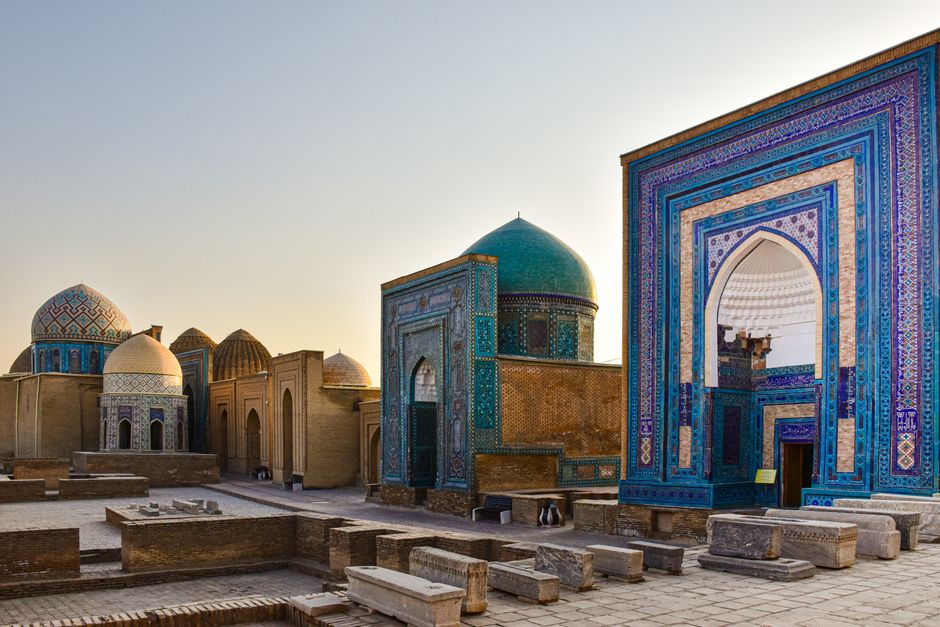
This myth oversimplifies the network's geographic scope. The Silk Road connected numerous civilizations including Persia, India, Central Asian kingdoms, Arabia, Byzantium, and eventually various European states. Important trading hubs like Samarkand, Bukhara, Kashgar, and Dunhuang served as cultural crossroads where multiple civilizations interacted. These Central Asian cities weren't mere waypoints but vibrant centers of commerce, scholarship, and cultural synthesis in their own right.
9. Women Never Traveled the Silk Road
Historical records reveal women's active participation in Silk Road commerce and travel, though their stories receive less attention. Women merchants, particularly in Central Asia, conducted business independently. Buddhist nuns made pilgrimages along these routes. Noblewomen traveled for diplomatic marriages. Additionally, communities along the routes included women in all social roles. This myth reflects historical documentation bias rather than actual absence of women from Silk Road life.
10. The Silk Road's Decline Was Sudden and Complete
The network's decline occurred gradually over centuries rather than ending abruptly. While European maritime exploration in the 15th and 16th centuries redirected much long-distance trade, overland routes continued operating for regional commerce. Political changes, including the Ming Dynasty's reduced interest in western trade and the fragmentation of the Mongol Empire, contributed to declining international traffic. However, some routes remained economically significant well into the modern era, with cities like Bukhara maintaining trading importance into the 19th century.
11. Cultural Exchange Was Always Peaceful and Welcomed
While the Silk Road facilitated remarkable cultural exchange, this process wasn't uniformly peaceful or accepted. Religious conflicts arose as Buddhism, Islam, Christianity, and other faiths competed for followers. Governments sometimes restricted foreign merchants or religions perceived as threatening. Cultural borrowing often generated resistance from traditionalists. The spread of diseases, including potentially the Black Death, represented a devastating form of unwanted exchange. The Silk Road's legacy includes both enriching cultural synthesis and destructive conflicts.
12. The Silk Road's Importance Is Purely Historical
The ancient Silk Road's legacy extends far beyond historical interest. Modern China's Belt and Road Initiative explicitly invokes this heritage while developing contemporary infrastructure across similar geographic regions. Cultural connections established through ancient trade continue influencing modern identities across Central Asia. Archaeological discoveries along Silk Road routes provide ongoing insights into human history. The concept of interconnected trade networks enabling cultural exchange remains profoundly relevant to understanding globalization. Rather than a dead relic, the Silk Road provides frameworks for understanding contemporary international relations and economic development.
Understanding the Reality Behind the Romance
These twelve myths reveal how romanticized narratives can obscure complex historical realities. The actual Silk Road was neither a single road nor exclusively about silk, involved diverse participants beyond Chinese and Roman merchants, and experienced fluctuating fortunes across centuries. Recognizing these myths allows for deeper appreciation of the intricate economic, cultural, and social networks that connected ancient civilizations. The real Silk Road, with its diverse routes, commodities, peoples, and changing fortunes, proves far more fascinating than simplified legends suggest. By understanding what the Silk Road truly was—and wasn't—we gain valuable insights into how trade networks shape civilizations and how historical narratives evolve across time.