
1 / 10 Questions
0 Points

Which US State Capital Has Zero McDonald's Locations?

Pierre, South Dakota

Carson City, Nevada

Augusta, Maine

Montpelier, Vermont

Points won
0
Correct score
0%

More questions

More Articles

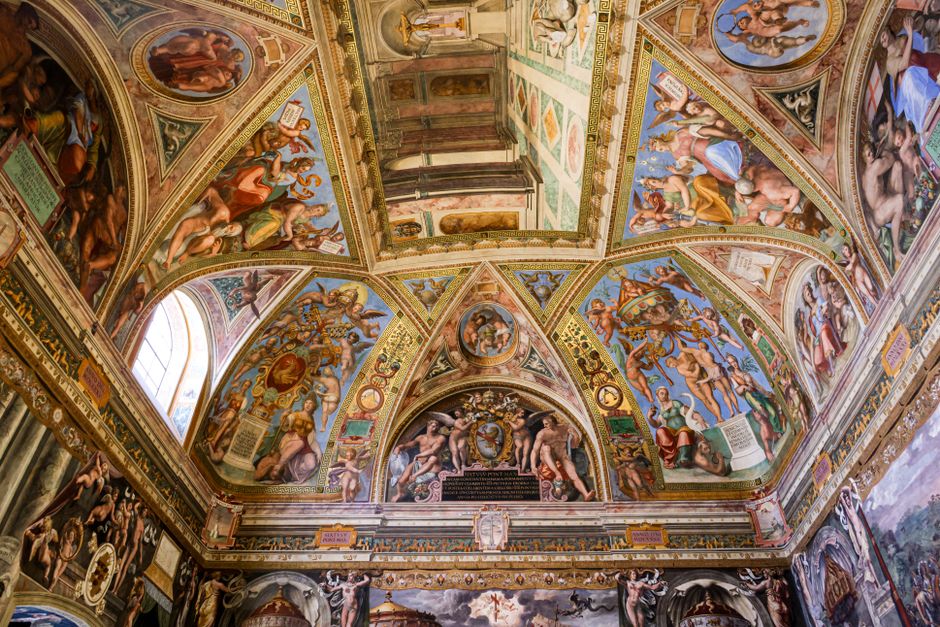
Did You Know? 15 Forgotten Facts About Sistine Chapel

Did You Know? 15 Forgotten Facts About Sistine Chapel

⏱️ 6 min read

The Sistine Chapel stands as one of humanity's greatest artistic achievements, yet beneath its famous ceiling lies a treasure trove of lesser-known stories and remarkable details. While millions recognize Michelangelo's masterpiece, the chapel's full history reveals surprising facts that even art enthusiasts often overlook. These forgotten aspects illuminate the extraordinary circumstances, hidden meanings, and remarkable details that make this Renaissance jewel even more fascinating than commonly understood.

Forgotten Treasures of the Sistine Chapel

1. The Chapel's Original Purpose as a Fortress

Before becoming an artistic wonder, the Sistine Chapel was designed with military defense in mind. Pope Sixtus IV commissioned the structure in the 1470s with fortified walls and crenellations suitable for armed defense. The building's robust construction included features that would allow Vatican defenders to withstand sieges, reflecting the volatile political climate of Renaissance Italy where even religious buildings needed military capabilities.

2. Michelangelo's Reluctant Acceptance

Contrary to popular belief, Michelangelo considered himself primarily a sculptor, not a painter. When Pope Julius II commissioned him in 1508, the artist initially refused, believing his rival Bramante had suggested him for the project hoping he would fail. Michelangelo viewed the commission as a distraction from his true passion for sculpture and only accepted under considerable papal pressure.

3. The Revolutionary Painting Technique Without Assistants

Unlike standard Renaissance practice where master artists supervised teams of assistants, Michelangelo painted the ceiling almost entirely alone. He fired his initial team of assistants early in the project, dissatisfied with their work. This solitary approach meant he personally painted over 5,000 square feet of frescoes, an unprecedented undertaking that took four years of physically grueling labor.

4. The Ceiling's Hidden Self-Portrait

Michelangelo embedded a haunting self-portrait within the Last Judgment fresco—not as a heroic figure, but as the flayed skin held by Saint Bartholomew. This macabre image reflects the artist's anguish and physical suffering during the project. Art historians interpret this as Michelangelo's commentary on his own martyrdom for his art, presenting his face on the empty skin as a symbol of his sacrifice.

5. The Astronomical Accuracy Few Notice

Recent research has revealed that Michelangelo incorporated precise astronomical alignments into his work. The arrangement of figures corresponds to constellations visible in Rome during significant biblical dates. This sophisticated understanding of astronomy demonstrates the Renaissance integration of art, science, and theology, suggesting Michelangelo worked with astronomical advisors to achieve this accuracy.

6. The Color Restoration Controversy

When restorers cleaned the ceiling between 1980 and 1994, they revealed vibrant colors that shocked the art world. Centuries of candle smoke and grime had darkened the frescoes, leading generations to believe Michelangelo preferred somber tones. The brilliant pinks, greens, and oranges that emerged remain controversial, with some experts arguing the cleaning removed original finishing layers.

7. The Floor's Marble Message

While visitors gaze upward, they miss the 15th-century Cosmatesque marble floor below. This geometric masterpiece uses colored marble in intricate patterns that mirror cosmological concepts. The floor's design creates a symbolic connection between heaven (the ceiling) and earth, with its circles and spirals representing the Renaissance understanding of the universe's divine order.

8. The Sistine Choir's Unique Musical Heritage

The chapel gave its name to the Sistine Chapel Choir, one of the oldest religious choirs in the world. For centuries, this ensemble included castrati singers, whose preserved pre-pubescent vocal ranges produced an ethereal sound considered closest to angelic voices. The last castrato, Alessandro Moreschi, served until 1913, and recordings of his voice still exist.

9. The Strategic Lighting Design

The chapel's original windows were carefully positioned to illuminate specific sections at different times of day. Morning light emphasized the Creation scenes, while afternoon sun highlighted the prophets and sibyls. This deliberate design transformed the chapel's appearance throughout the day, creating a dynamic viewing experience that modern artificial lighting cannot replicate.

10. The Censorship Campaign Against Nudity

Twenty-four years after completion, the Council of Trent deemed the Last Judgment's numerous nude figures inappropriate. Pope Pius IV commissioned artist Daniele da Volterra to paint drapery over the genitals, earning him the unfortunate nickname "Il Braghettone" (the breeches-maker). Subsequent popes added more coverings, though some were removed during modern restorations.

11. The Architectural Illusion of Depth

Michelangelo created elaborate architectural elements on the flat ceiling that appear three-dimensional. The painted cornices, pilasters, and thrones seem to project from the surface through masterful use of perspective and shading. This trompe-l'oeil technique transforms the barrel vault into what appears to be a complex architectural space, fooling the eye even today.

12. The Brain Hidden in God's Creation

Medical experts have identified an anatomically accurate brain embedded in the most famous panel, "The Creation of Adam." The billowing drapery surrounding God precisely matches brain anatomy, including the cerebellum, optic chiasm, and pituitary gland. Some scholars believe Michelangelo, who dissected cadavers, deliberately included this as a statement about divine consciousness or human intellect.

13. The Systematic Crack Pattern

A large crack runs through the ceiling, particularly visible in the Deluge scene. This structural defect appeared while Michelangelo was still working and forced him to adjust his technique. Rather than starting over, he modified his plaster mixture and application method, resulting in better preservation of later sections compared to earlier work.

14. The Prophetic Warning in the Flood Scene

The Deluge panel contains a detail rarely discussed: a figure carrying a barrel on his back, often interpreted as Noah with wine—a reference to drunkenness and moral failure. Michelangelo positioned this scene prominently, possibly as a warning to corrupt Renaissance popes about divine judgment. This subtle criticism exemplifies how artists embedded social commentary in religious commissions.

15. The Papal Conclave Tradition

Since 1492, the Sistine Chapel has served as the location for papal conclaves, where cardinals elect new popes. The famous smoke signals—black for unsuccessful votes, white for a successful election—emerge from a stove installed specifically for this purpose. Voting occurs beneath Michelangelo's Last Judgment, with Christ as judge presiding symbolically over the selection of his earthly representative.

The Enduring Legacy

These forgotten facts reveal the Sistine Chapel as more than a beautiful ceiling—it represents an intersection of art, politics, science, and spirituality. From its fortress origins to its hidden anatomical images, from censorship controversies to papal elections, the chapel embodies the complexity of Renaissance culture. Understanding these overlooked details enriches appreciation for both Michelangelo's genius and the historical context that shaped this masterpiece. The chapel continues revealing secrets to careful observers, ensuring its status as an inexhaustible subject for discovery and wonder centuries after its creation.
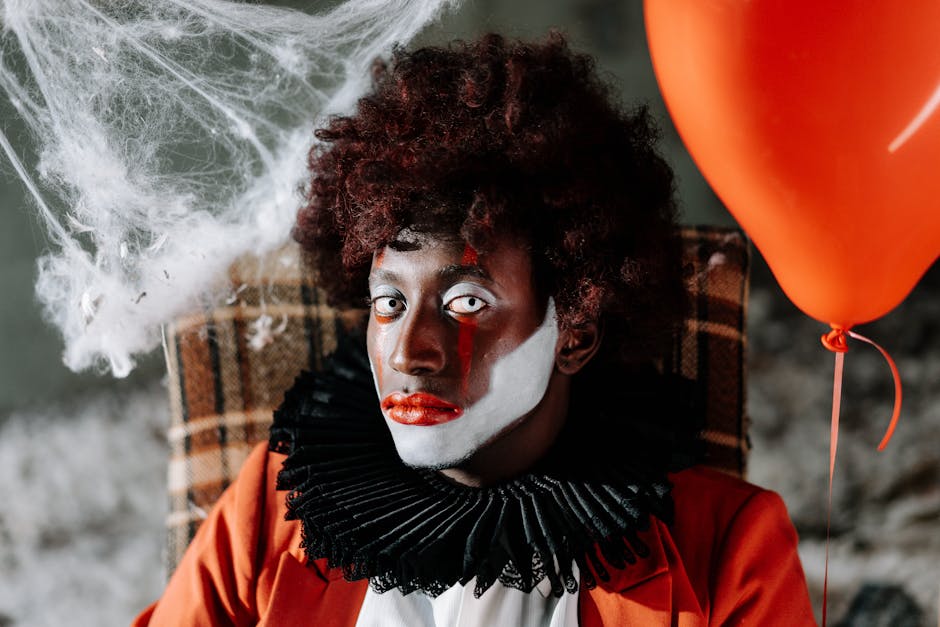

Did You Know? 15 Unusual Festivals Around the World

Did You Know? 15 Unusual Festivals Around the World

⏱️ 8 min read

Every culture celebrates in its own unique way, and some of the most fascinating festivals around the globe defy conventional expectations. From bizarre traditions involving tomatoes and cheese to celebrations honoring monkeys and radishes, these unusual festivals showcase humanity's creative spirit and diverse cultural heritage. These extraordinary events attract curious travelers and adventurers who seek experiences beyond typical tourist attractions, offering glimpses into local customs that have been preserved for generations or invented in recent times.

Extraordinary Celebrations That Defy Convention

1. La Tomatina: Spain's Epic Tomato Battle

Every last Wednesday of August, the small Spanish town of Buñol transforms into a massive food fight arena. La Tomatina sees approximately 20,000 participants hurl over 100 metric tons of overripe tomatoes at each other in a chaotic, hour-long battle. The festival began in 1945, allegedly after a spontaneous food fight during a parade, and has since become one of Spain's most iconic events. Participants dress in old clothes and goggles as they wade through rivers of tomato pulp in the streets.

2. Cooper's Hill Cheese Rolling: England's Dangerous Downhill Chase

At Cooper's Hill in Gloucestershire, England, brave competitors chase a 9-pound wheel of Double Gloucester cheese down a steep, uneven hill that has a gradient of nearly one-in-one. The cheese can reach speeds of 70 miles per hour, and participants tumble, roll, and sprint recklessly after it. The first person to cross the finish line wins the cheese. This centuries-old tradition results in numerous injuries each year, yet continues to attract daredevils from around the world.

3. Monkey Buffet Festival: Thailand's Primate Feast

In Lopburi, Thailand, the annual Monkey Buffet Festival honors the long-tailed macaques that inhabit the area. Local residents prepare an elaborate spread of over 4,000 kilograms of fruits, vegetables, and treats arranged in decorative towers and displays for approximately 600 monkeys. The festival celebrates the belief that monkeys bring good fortune and acknowledges their role in attracting tourism to the province. The spectacle of hundreds of monkeys feasting simultaneously draws photographers and animal enthusiasts from across the globe.

4. Night of the Radishes: Mexico's Vegetable Carving Competition

Every December 23rd in Oaxaca, Mexico, artists transform oversized radishes into intricate sculptures depicting religious scenes, historical events, and fantastical figures. The Night of the Radishes began in 1897 as a marketing strategy by vegetable vendors and has evolved into a serious artistic competition. Sculptors work with specially cultivated radishes that can grow up to 50 centimeters long and weigh several kilograms. The sculptures must be created quickly, as the radishes begin deteriorating within days of harvesting.

5. Boryeong Mud Festival: South Korea's Therapeutic Mess

South Korea's Boryeong Mud Festival celebrates the mineral-rich mud from the Boryeong mud flats, believed to have therapeutic properties. What started as a marketing campaign for cosmetic products has become a massive event featuring mud wrestling, mud slides, mud pools, and mud skiing. Over two million visitors attend this two-week July festival, covering themselves head to toe in grey mud while participating in various competitions and entertainment activities along Daecheon Beach.

6. Kanamara Matsuri: Japan's Festival of the Steel Phallus

The Kanamara Matsuri in Kawasaki, Japan, is a Shinto fertility festival that celebrates the male anatomy through various phallus-shaped decorations, candy, and parade floats. Originally associated with prostitutes who prayed for protection from sexually transmitted diseases, the modern festival has become a celebration of fertility, marriage, and sexual health. The event raises money for HIV research and attracts thousands of visitors who embrace the festival's humorous and open approach to sexuality.

7. Baby Jumping Festival: Spain's Daring Tradition

El Colacho, or the Baby Jumping Festival, takes place in Castrillo de Murcia, Spain, during the feast of Corpus Christi. Men dressed as the Devil run through the streets and leap over rows of babies lying on mattresses. This 400-year-old Catholic tradition is believed to cleanse newborns of original sin and protect them from evil spirits. Despite safety concerns raised by officials, local families continue to participate in this unique ritual that has become an important part of their cultural identity.

8. Wife Carrying Championship: Finland's Athletic Romance

The World Wife Carrying Championship in Sonkajärvi, Finland, challenges male competitors to navigate an obstacle course while carrying a female teammate (who need not actually be their wife). The course includes water obstacles and hurdles, and the prize is the wife's weight in beer. The tradition allegedly originates from 19th-century folklore about a gang leader who required recruits to carry heavy sacks or steal women from neighboring villages. Modern competitors employ various carrying techniques, with the Estonian-style piggyback position being particularly popular.

9. Up Helly Aa: Scotland's Viking Fire Festival

In Lerwick, Shetland Islands, Up Helly Aa celebrates the region's Viking heritage with a spectacular torchlight procession culminating in the burning of a replica Viking longship. Nearly 1,000 participants, known as guizers, dress in elaborate costumes and parade through the streets carrying torches before ceremonially setting the ship ablaze. The festival includes traditional music, dancing, and visiting squads who perform sketches at local halls throughout the night. This midwinter celebration has been held annually since 1881.

10. Underwater Music Festival: Florida's Aquatic Concert

The Florida Keys host the world's only underwater music festival at Looe Key Reef. Divers and snorkelers descend beneath the waves to enjoy music broadcast through underwater speakers, while local musicians play instruments on floating platforms. The event promotes coral reef awareness and protection, featuring ocean-themed songs and parodies. Participants often dress in outrageous costumes, including mermaids playing underwater pianos, creating a surreal aquatic spectacle that combines environmental advocacy with creative celebration.

11. Crying Baby Festival: Japan's Tearful Competition

Nakizumo, Japan's Crying Baby Festival, is a 400-year-old tradition where sumo wrestlers hold babies aloft and attempt to make them cry. According to Japanese belief, a baby's cry wards off evil spirits, and the louder the cry, the healthier the child will grow. Two wrestlers face each other, each holding an infant, and the first baby to cry wins. If both cry simultaneously, the loudest wins. Parents eagerly participate in this unusual competition, believing it brings good health and fortune to their children.

12. Frozen Dead Guy Days: Colorado's Icy Celebration

Nederland, Colorado, hosts Frozen Dead Guy Days in honor of Bredo Morstoel, whose cryonically preserved body is kept in a Tuff Shed outside town. The March festival features coffin races, polar plunge competitions, frozen salmon tossing, and tours of the facility housing the frozen Norwegian. What began as a small local event has grown into a quirky celebration attracting thousands of visitors who embrace the town's eccentric claim to fame with humor and enthusiasm.

13. Holi: India's Explosion of Colors

While widely known, Holi remains one of the world's most unusual festivals through its sheer vibrancy and participatory nature. Celebrants throw colored powders and water at each other, transforming everyone into living rainbows. The Hindu spring festival celebrates the victory of good over evil and the arrival of spring, with the colors representing the vibrancy of life. Streets become kaleidoscopes of reds, yellows, blues, and greens as social barriers dissolve in the joyful chaos of color warfare.

14. Air Guitar World Championships: Finland's Imaginary Rock Concert

Oulu, Finland, hosts the Air Guitar World Championships, where competitors from around the globe perform elaborate routines without actual instruments. Judges score participants on technical merit, stage presence, and "airness"—the extent to which playing air guitar transcends the imitation of playing guitar. The competition, founded in 1996, promotes world peace based on the ideology that wars would end if everyone played air guitar. The championship has spawned national competitions in dozens of countries.

15. Lopburi Monkey Banquet: Thailand's Primate Thanksgiving

The ancient temple town of Lopburi provides an elaborate feast for its monkey population each November, featuring fruits, vegetables, and treats artfully arranged in towering displays. The festival acknowledges the macaques' importance to local tourism and pays homage to the Hindu monkey deity Hanuman. Over 3,000 kilograms of food are presented while hundreds of monkeys swarm the buffet tables in a feeding frenzy that creates both chaos and entertainment for thousands of spectators.

Cultural Diversity Through Celebration

These fifteen unusual festivals demonstrate humanity's remarkable capacity for creativity, tradition, and celebration. Whether honoring historical events, promoting local products, celebrating religious beliefs, or simply embracing the absurd, these gatherings create community bonds and preserve cultural identity. They remind us that celebration takes countless forms across different societies, and what seems bizarre to outsiders often holds deep meaning for participants. These festivals continue to evolve, attracting global attention while maintaining their unique character, proving that the human spirit thrives on gathering together for purposes both profound and playful.