








1 / 10 Questions
0 Points

Who invented the safety pin while pacing nervously?

Walter Hunt

Thomas Edison

Benjamin Franklin

Eli Whitney

Points won
0
Correct score
0%

More questions

More Articles

Did You Know? 15 Facts About Coral Reefs

Did You Know? 15 Facts About Coral Reefs

⏱️ 7 min read

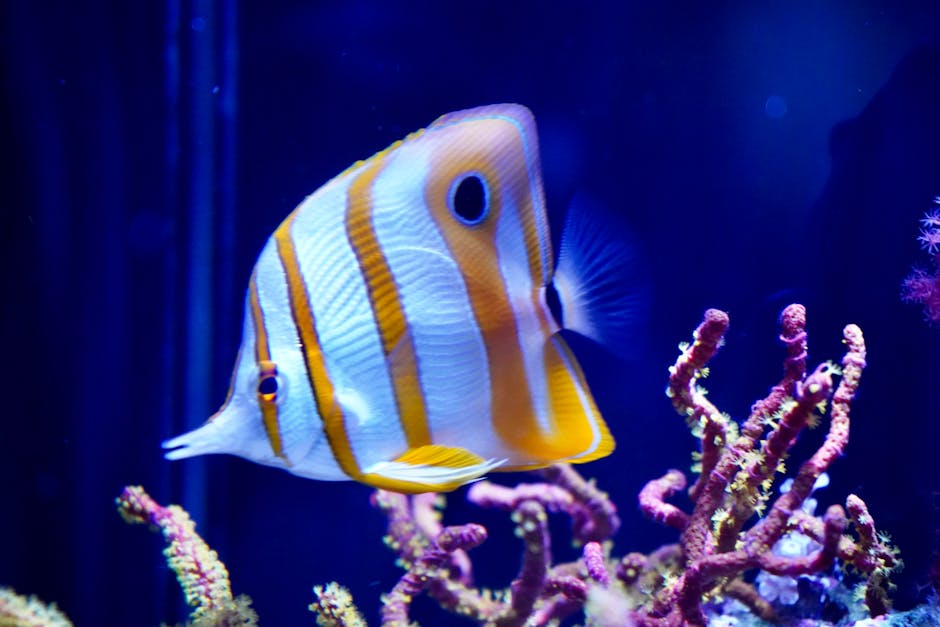
Beneath the ocean's surface lies one of Earth's most spectacular ecosystems—coral reefs. These underwater cities teem with life, color, and mysteries that continue to fascinate scientists and nature enthusiasts alike. Despite covering less than 1% of the ocean floor, coral reefs play a vital role in marine biodiversity and human survival. Here are fifteen remarkable facts that reveal the complexity and importance of these underwater wonders.

Understanding Coral Reefs

1. Corals Are Animals, Not Plants

One of the most common misconceptions about coral reefs is their classification. Despite their plant-like appearance and stationary nature, corals are actually marine invertebrates belonging to the phylum Cnidaria. Each coral structure consists of thousands of tiny polyps—soft-bodied organisms related to jellyfish and sea anemones. These polyps secrete calcium carbonate to form hard, protective limestone skeletons that gradually build up to create the massive reef structures we recognize today.

2. The Great Barrier Reef Can Be Seen From Space

Australia's Great Barrier Reef holds the distinction of being the world's largest living structure visible from outer space. Stretching over 2,300 kilometers along the Queensland coast, this natural wonder comprises approximately 2,900 individual reefs and 900 islands. The reef system is so expansive that it covers an area larger than the United Kingdom, making it not just a biological marvel but also a geographical phenomenon of extraordinary proportions.

3. Symbiotic Relationships Create Reef Colors

The vibrant colors that make coral reefs so visually stunning come from a remarkable symbiotic relationship between coral polyps and microscopic algae called zooxanthellae. These algae live within the coral tissue and perform photosynthesis, producing oxygen and nutrients that feed the coral. In return, the coral provides the algae with protection and access to sunlight. This mutualistic partnership is so essential that when stressed, corals expel their zooxanthellae, leading to coral bleaching and the loss of their distinctive colors.

4. Reefs Support a Quarter of Marine Life

Despite occupying less than 1% of the ocean floor, coral reefs support approximately 25% of all marine species. Scientists estimate that over one million species—including fish, invertebrates, and microorganisms—depend on coral reef ecosystems for survival. This incredible biodiversity density makes coral reefs comparable to tropical rainforests in terms of species richness, earning them the nickname "rainforests of the sea."

Ecological Importance and Impact

5. Natural Coastal Protection Systems

Coral reefs serve as natural barriers that protect coastlines from the devastating effects of waves, storms, and erosion. The complex reef structures absorb and dissipate up to 97% of wave energy before it reaches shore, reducing the impact of hurricanes, tsunamis, and everyday wave action. This natural protection is particularly crucial for low-lying coastal communities and island nations, potentially saving billions of dollars in storm damage and preventing loss of life.

6. Ancient Organisms With Modern Relevance

Coral reefs have existed for approximately 240 million years, making them one of Earth's oldest ecosystems. These ancient structures have survived multiple mass extinction events and have continuously evolved throughout geological time. The oldest individual coral colonies alive today are estimated to be over 4,000 years old, providing scientists with valuable historical records of ocean conditions and climate changes spanning millennia.

7. Slow Growth Rates Demand Protection

Reef-building corals grow at remarkably slow rates, typically adding only 0.3 to 2 centimeters of new growth per year for branching species, while massive boulder corals may grow even slower at rates of just 0.5 centimeters annually. This means that a coral formation the size of a small car could be hundreds of years old. The slow growth rate makes coral reefs particularly vulnerable to damage, as recovery from destruction can take decades or even centuries.

8. Medicinal Treasures of the Ocean

Coral reef ecosystems represent an invaluable pharmaceutical frontier. Scientists have discovered compounds within reef organisms that show promise for treating cancer, arthritis, bacterial infections, Alzheimer's disease, and heart disease. Already, several medicines derived from coral reef species are in use or undergoing clinical trials, including treatments for leukemia and drugs that prevent inflammation and reduce pain.

Environmental Challenges and Adaptations

9. Temperature Sensitivity Threatens Survival

Coral reefs exist within a narrow temperature range, typically thriving in waters between 23°C and 29°C. An increase of just 1-2°C above normal summer temperatures, sustained for several weeks, can trigger mass coral bleaching events. As ocean temperatures continue to rise due to climate change, coral bleaching has become increasingly frequent and severe, with some regions experiencing multiple bleaching events within just a few years—not allowing enough time for coral recovery.

10. Economic Value Exceeds Expectations

The economic value of coral reefs extends far beyond their ecological significance. These ecosystems provide approximately $375 billion annually in goods and services worldwide, including tourism revenue, fishing industries, and coastal protection. For many developing nations, coral reefs represent a primary source of protein and income, directly supporting the livelihoods of over 500 million people globally.

11. Coral Spawning Spectacular Events

Once a year, many coral species participate in a synchronized mass spawning event, releasing millions of eggs and sperm simultaneously into the water column. This remarkable phenomenon typically occurs following a full moon and involves multiple species spawning on the same night, creating an underwater snowstorm effect. The precise timing ensures maximum fertilization success and remains one of nature's most extraordinary reproductive strategies.

12. Three Main Reef Types Exist Worldwide

Coral reefs are classified into three primary types based on their formation and location. Fringing reefs grow directly along coastlines and are the most common type. Barrier reefs develop parallel to shorelines but are separated by deep lagoons. Atolls are circular or oval-shaped reefs that form around volcanic islands, creating a ring structure with a central lagoon after the original island subsides beneath the ocean surface.

Global Distribution and Future Outlook

13. Limited Geographic Range

Coral reefs predominantly occur in tropical and subtropical waters between 30°N and 30°S latitude, where conditions meet their specific requirements for warm temperatures, clear water, and abundant sunlight. The Indo-Pacific region, particularly the Coral Triangle spanning Indonesia, Malaysia, Papua New Guinea, the Philippines, the Solomon Islands, and Timor-Leste, contains the highest diversity of coral species and represents the global epicenter of coral reef biodiversity.

14. Threats From Multiple Fronts

Coral reefs face an unprecedented combination of threats including ocean acidification, rising sea temperatures, overfishing, destructive fishing practices, coastal development, agricultural runoff, and pollution. Ocean acidification, caused by increased absorption of atmospheric carbon dioxide, reduces the availability of carbonate ions that corals need to build their calcium carbonate skeletons, making reef construction increasingly difficult and weakening existing structures.

15. Conservation Efforts Offer Hope

Despite the challenges, innovative conservation efforts worldwide are working to protect and restore coral reefs. Techniques include coral gardening and transplantation, assisted evolution to develop heat-resistant coral strains, marine protected areas, and community-based conservation programs. Scientists are also exploring methods to enhance coral resilience through selective breeding and identifying naturally resilient coral populations that might survive future ocean conditions.

Conclusion

Coral reefs represent one of Earth's most valuable and vulnerable ecosystems. These fifteen facts barely scratch the surface of the complexity and importance of reef environments. From their role as biodiversity hotspots to their economic and medicinal value, coral reefs provide irreplaceable benefits to both marine life and human populations. As these ecosystems face mounting pressures from climate change and human activities, understanding their significance becomes increasingly critical. The future of coral reefs depends on immediate global action to reduce carbon emissions, protect existing reefs, and support innovative conservation strategies that can help these remarkable ecosystems survive and thrive for generations to come.

Top 10 Fun Facts About Ancient Writing Systems

Top 10 Fun Facts About Ancient Writing Systems

⏱️ 8 min read

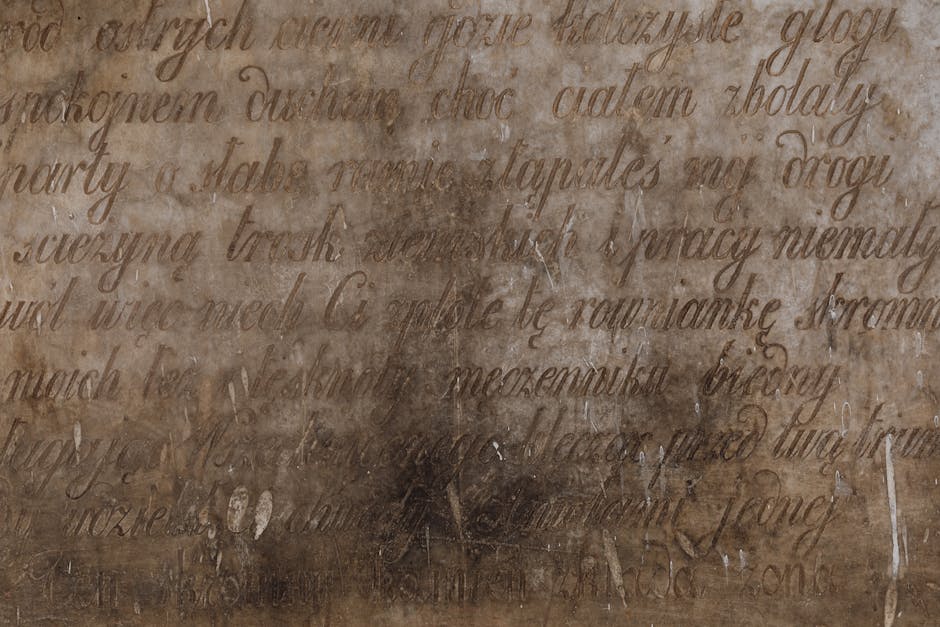
Ancient writing systems represent some of humanity's most ingenious innovations, transforming how civilizations communicated, recorded history, and preserved knowledge. From the earliest pictographs carved into clay tablets to sophisticated alphabets that formed the foundation of modern languages, these systems reveal fascinating insights into the minds and cultures of our ancestors. The development of writing marked a pivotal turning point in human history, separating prehistory from recorded civilization and enabling the accumulation of knowledge across generations.

Remarkable Discoveries About Ancient Scripts

1. Cuneiform Was Written on Wet Clay With a Reed Stylus

The Mesopotamian cuneiform writing system, one of the earliest known forms of writing dating back to around 3400 BCE, wasn't created with pen and ink. Scribes used a cut reed called a stylus to press wedge-shaped marks into soft clay tablets. The word "cuneiform" actually derives from the Latin "cuneus," meaning wedge. These tablets were then left to dry in the sun or baked in kilns, creating remarkably durable records. Thousands of these clay tablets have survived for millennia, providing modern scholars with detailed accounts of ancient business transactions, legal codes, literary works, and astronomical observations. This accidental preservation method has made cuneiform one of the most well-documented ancient writing systems.

2. Egyptian Hieroglyphs Could Be Read in Multiple Directions

Unlike modern writing systems with fixed directional rules, Egyptian hieroglyphs were incredibly flexible in their orientation. Scribes could write hieroglyphic texts from left to right, right to left, or even top to bottom, depending on aesthetic and spatial considerations. The key to determining reading direction lay in observing which way the human and animal figures faced—readers would always start from the side the figures were looking toward. This flexibility allowed ancient Egyptian artists to create beautifully balanced compositions on temple walls, tombs, and monuments, where symmetry and visual harmony were often more important than standardized reading conventions.

3. The Rosetta Stone Featured Three Different Scripts for One Message

Discovered in 1799, the Rosetta Stone became the key to deciphering Egyptian hieroglyphs because it contained the same decree written in three different scripts: hieroglyphic, Demotic (a cursive Egyptian script), and ancient Greek. Created in 196 BCE, the stone was essentially an ancient multilingual document designed to ensure that different segments of Egyptian society could read the same royal proclamation. Priests could read the hieroglyphs, common Egyptians understood Demotic, and the Greek-speaking administration could access the Greek text. This redundancy, intended for practical administrative purposes, inadvertently became one of archaeology's most valuable discoveries, allowing scholars like Jean-François Champollion to finally unlock the secrets of hieroglyphic writing after nearly 2,000 years of mystery.

4. Chinese Characters Have Been in Continuous Use for Over 3,000 Years

Chinese writing stands as the oldest continuously used writing system in the world, with oracle bone inscriptions dating back to the Shang Dynasty around 1200 BCE still recognizable to modern Chinese readers. While the characters have evolved significantly in form and style over millennia, the fundamental logographic principle remains unchanged. Many basic characters retain their ancient meanings and structures, creating an unbroken literary tradition spanning three millennia. This remarkable continuity has allowed Chinese scholars throughout history to read texts from ancient dynasties, maintaining cultural and historical connections that would be impossible in civilizations where writing systems were completely replaced or became extinct.

5. The Phoenician Alphabet Became the Ancestor of Most Modern Alphabets

The Phoenicians, master traders and sailors of the ancient Mediterranean, developed a revolutionary alphabetic writing system around 1050 BCE that would fundamentally change human communication. Their 22-letter alphabet represented consonant sounds only, making it far simpler to learn than complex logographic or syllabic systems requiring hundreds of symbols. As Phoenician merchants established trading posts throughout the Mediterranean, their efficient writing system spread rapidly. The Greeks adapted it, adding vowels to create their own alphabet. The Greek alphabet then spawned the Latin, Cyrillic, and numerous other alphabets. Today, most alphabetic writing systems worldwide can trace their ancestry back to this Phoenician innovation, making it arguably the most influential writing system ever created.

6. The Indus Valley Script Remains Completely Undeciphered

Despite over a century of scholarly effort, the writing system of the ancient Indus Valley Civilization (3300-1300 BCE) remains one of archaeology's greatest unsolved mysteries. Thousands of inscribed seals, tablets, and pottery fragments have been discovered at sites like Harappa and Mohenj-Daro, containing short sequences of symbols that appear to represent a sophisticated writing system. However, without a bilingual text comparable to the Rosetta Stone and with most inscriptions being extremely brief, linguists and archaeologists have been unable to definitively crack the code. The lack of understanding of this script means that despite extensive archaeological evidence of a highly advanced urban civilization, the Indus Valley people remain largely silent, their stories, beliefs, and detailed history locked away in undecipherable symbols.

7. Mayan Glyphs Combined Both Pictures and Sounds

The ancient Maya developed one of the most sophisticated writing systems in pre-Columbian America, using a complex combination of logographic and syllabic elements. A single Mayan glyph could represent an entire word, a syllable, or even serve decorative purposes. Scribes could write the same word in multiple ways, choosing different combinations of symbols for artistic or contextual reasons. This flexibility made Mayan script both beautiful and incredibly complex. After the Spanish conquest, knowledge of how to read these glyphs was almost entirely lost for centuries. It wasn't until the mid-20th century that dedicated scholars began systematically deciphering the script, revealing detailed historical records of Maya rulers, wars, astronomical calculations, and religious beliefs that had been hidden in plain sight on temple walls and in rare surviving codices.

8. Linear B Was Used 500 Years Before Homer's Greece

Linear B, deciphered in 1952 by architect and amateur linguist Michael Ventris, revealed a stunning fact: the ancient Mycenaean civilization was writing in an early form of Greek as far back as 1450 BCE, roughly 500 years before the classical Greek period and Homer's epics. This discovery pushed back the documented history of the Greek language by half a millennium. However, the content of Linear B tablets proved surprisingly mundane—they were primarily administrative records, inventory lists, and accounting documents etched into clay tablets. These bureaucratic records, preserved when palace fires accidentally baked the clay tablets, provide invaluable insights into Mycenaean economy, social structure, and daily life, though no literature or historical narratives have been found in Linear B.

9. Norse Runes Were Believed to Hold Magical Properties

The runic alphabets used by Germanic peoples, particularly the Elder Futhark used from roughly 150-800 CE, were considered far more than mere letters by those who used them. The word "rune" itself derives from Old Norse meaning "secret" or "mystery," reflecting the mystical significance attributed to these characters. Each rune had a name, phonetic value, and associated meaning or concept. Vikings and other Germanic peoples believed that runes possessed inherent magical power and were gifts from the god Odin. They carved runes not just for communication but for protection, divination, and invoking supernatural forces. This dual nature—as both practical alphabet and magical symbol system—made runes unique among ancient writing systems, blending literacy with spirituality in ways that influenced Norse culture and mythology.

10. Ancient Scripts Used No Spaces Between Words

Modern readers take word spacing for granted, but this convention is a relatively recent innovation in the history of writing. Ancient Greek, Latin, Egyptian, and many other early writing systems practiced "scriptio continua"—continuous script with no spaces between words, and often no punctuation. Texts appeared as unbroken strings of characters that readers had to mentally parse into individual words and sentences. READINGANCIENTTEXTSLOOKEDSOMETHINGLIKETHIS. This required considerable literacy skill and familiarity with the language, effectively limiting reading ability to well-educated elites. The gradual introduction of word spacing between the 7th and 12th centuries CE represented a democratizing innovation, making texts significantly easier to read and helping expand literacy beyond scholarly and religious circles.

The Lasting Legacy of Ancient Writing

These fascinating aspects of ancient writing systems demonstrate the creativity, complexity, and cultural significance that early civilizations invested in recording their thoughts and preserving their legacies. From the practical clay tablets of Mesopotamia to the mystical runes of the Norse, from the still-mysterious Indus script to the remarkably enduring Chinese characters, each system reflects the unique needs, beliefs, and innovations of its creators. Understanding these ancient methods of communication not only illuminates the past but also helps us appreciate the evolution of literacy and the profound impact that writing has had on human civilization. The systems our ancestors developed thousands of years ago continue to influence how billions of people communicate today, serving as a testament to human ingenuity and our eternal desire to share ideas across time and space.