









1 / 10 Questions
0 Points

What major concern has emerged regarding personal data in the Information Age?

Privacy and data security

Insufficient data collection

Data storage capacity limitations

Lack of data standardization

Points won
0
Correct score
0%

More questions

More Articles

Top 10 Unknown Facts About Pablo Picasso

Top 10 Unknown Facts About Pablo Picasso

⏱️ 6 min read

Pablo Picasso remains one of the most influential and celebrated artists in history, known worldwide for co-founding Cubism and creating iconic works like "Guernica" and "Les Demoiselles d'Avignon." While his artistic genius is well-documented, many fascinating aspects of his life and work remain surprisingly unknown to the general public. Beyond the famous paintings and the revolutionary art movements, Picasso led a remarkably complex life filled with intriguing quirks, hidden talents, and surprising contradictions that shaped both his art and his legacy.

Lesser-Known Aspects of the Master's Life and Work

1. His Full Name Contains 23 Words

Pablo Picasso's complete name is one of the longest in art history: Pablo Diego José Francisco de Paula Juan Nepomuceno María de los Remedios Cipriano de la Santísima Trinidad Ruiz y Picasso. This elaborate name honored various saints and relatives, following Spanish naming customs. His parents were José Ruiz Blasco and María Picasso y López, and while Spanish tradition called for using the father's surname, Picasso chose to adopt his mother's maiden name for his artistic signature, believing it was more distinctive and memorable than the common surname Ruiz.

2. He Could Draw Before He Could Walk

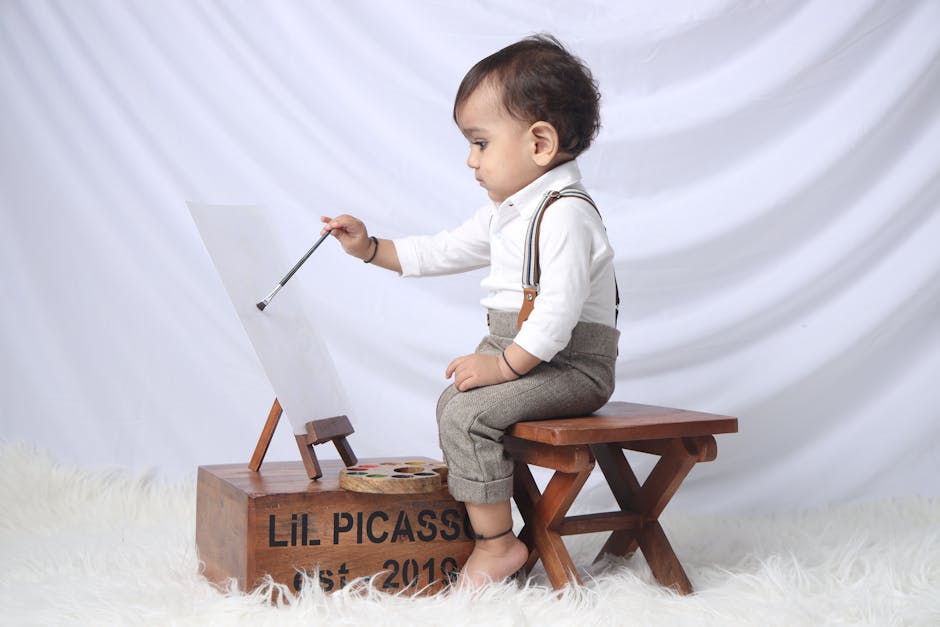
According to family accounts, Picasso's first word was "piz," short for "lápiz," the Spanish word for pencil. His mother claimed he learned to draw before he could speak complete sentences. By age seven, Picasso was receiving formal artistic training from his father, José Ruiz, who was a painter and art professor. Legend has it that when Picasso was thirteen, his father gave up painting entirely after witnessing his son's superior talent, recognizing that the young artist had already surpassed his own abilities.

3. The Stolen Mona Lisa Connection

In 1911, when Leonardo da Vinci's "Mona Lisa" was stolen from the Louvre, Picasso was brought in for questioning as a suspect. The artist had unknowingly purchased two stolen Iberian stone heads from Géry Pieret, secretary to his friend Guillaume Apollinaire. When the theft was discovered, both Picasso and Apollinaire were interrogated by police. Although they were cleared of involvement in the "Mona Lisa" theft, the experience terrified Picasso, who feared deportation from France. The painting was eventually recovered two years later when the actual thief, an Italian handyman named Vincenzo Peruggia, attempted to sell it.

4. His Political Statement Against Fascism Was Rejected

During World War II, while living in Nazi-occupied Paris, Picasso remained in the city despite being labeled a degenerate artist by the regime. When a German officer visited his apartment and saw a photograph of "Guernica," Picasso's powerful anti-war masterpiece depicting the bombing of a Basque town during the Spanish Civil War, the officer asked, "Did you do that?" Picasso reportedly replied, "No, you did." Despite requests from the Germans to exhibit his work, Picasso refused all collaboration. He applied to join the French Communist Party in 1944, viewing it as a form of resistance against fascism.

5. He Created Over 50,000 Artworks in His Lifetime

Picasso's prolific output is unmatched in art history, with estimates suggesting he created approximately 50,000 works during his 91 years. This includes 1,885 paintings, 1,228 sculptures, 2,880 ceramics, roughly 12,000 drawings, thousands of prints, numerous tapestries, and rugs. His remarkable productivity meant he completed an average of two artworks per day throughout his adult life. This extraordinary volume makes him the most prolific artist ever documented, and his works continue to generate more revenue than any other artist's, with the Picasso estate worth hundreds of millions of dollars.

6. He Was a Poet and Playwright

While celebrated primarily for his visual art, Picasso was also an accomplished writer who produced over 300 poems and two plays. He began writing seriously in 1935 during a period of personal turmoil and creative transition. His first play, "Desire Caught by the Tail," was written in 1941 during the Nazi occupation of Paris and was performed in 1944 with a reading that included Albert Camus, Jean-Paul Sartre, and Simone de Beauvoir. His literary works employed the same experimental approach as his paintings, breaking conventional rules and exploring surrealist themes. Though less famous than his visual art, his writings reveal another dimension of his creative genius.

7. His Painting Saved a Stranger's Life

In one remarkable story, a electrician working at Picasso's home greatly admired the artist's work. Picasso gifted him a small drawing as payment for his services. Years later, the man fell on hard times and considered selling the drawing. When he contacted Picasso to verify its authenticity, the artist invited him over, authenticated the work, and gave him several more drawings, telling him to sell one whenever he needed money. This act of generosity demonstrated a lesser-known compassionate side of Picasso, contrasting with his often-reported difficult personality.

8. He Kept a Revolver Loaded with Blanks

Picasso carried a revolver loaded with blank cartridges, which he would fire at people who asked him boring questions about art or requested him to explain the meaning of his paintings. This eccentric habit reflected his frustration with those who demanded literal interpretations of his work. He believed art should speak for itself and resented being asked to verbalize what he had already expressed visually. This theatrical gesture became part of his legendary personality and demonstrated his belief that art transcends verbal explanation.

9. His Death Certificate Remains Disputed

When Picasso died on April 8, 1973, at age 91, controversy surrounded the circumstances of his death. His official death certificate lists heart failure as the cause, but his wife Jacqueline refused to allow an autopsy. Some family members and historians believe he may have died from a pulmonary embolism or other complications that were not properly documented. Adding to the mystery, Jacqueline severely limited access to Picasso's funeral, excluding several of his children and longtime friends, creating lasting bitterness among his survivors and contributing to decades of legal battles over his estate.

10. He Never Created Art Digitally Despite Living Through the Computer Age

Despite living until 1973, well into the computer age and witnessing humanity's moon landing, Picasso never experimented with digital art or electronic media. He remained committed to traditional artistic methods throughout his life—painting, drawing, sculpting, and printmaking. While contemporary artists like Nam June Paik were pioneering video art in the 1960s, Picasso continued working with canvas, clay, and bronze. This dedication to traditional media seems particularly striking given his revolutionary approach to breaking artistic conventions in every other aspect of his work, suggesting that his innovations were rooted in mastering and reimagining classical techniques rather than seeking novelty through new technologies.

The Enduring Mystery of a Complex Genius

These lesser-known facts reveal a Pablo Picasso far more complex than the simplified image of a artistic revolutionary. From his extraordinarily long name and precocious talent to his involvement in a famous art theft investigation and his eccentric personal habits, Picasso lived a life as multifaceted as his art. His incredible productivity, literary pursuits, political activism, and personal contradictions all contributed to his artistic vision. Understanding these hidden aspects of his life enriches our appreciation of his work and reminds us that even the most famous figures in history contain depths that continue to surprise and fascinate us decades after their deaths.

Did You Know? 10 Strange Facts About Medieval Medicine

Did You Know? 10 Strange Facts About Medieval Medicine

⏱️ 6 min read

The medieval period, spanning roughly from the 5th to the 15th century, was a time of remarkable medical practices that often blur the line between healing and horror. While modern medicine has advanced tremendously, understanding the strange and sometimes shocking treatments of the Middle Ages provides fascinating insight into how far medical science has progressed. These peculiar practices, rooted in ancient beliefs and limited scientific understanding, reveal a world where desperation and creativity intersected in the quest to cure illness.

Bizarre Treatments and Practices from the Middle Ages

Bloodletting as a Cure-All Solution

Medieval physicians believed that the human body contained four humors—blood, phlegm, yellow bile, and black bile—and that illness resulted from an imbalance of these fluids. Bloodletting was the most common treatment prescribed for nearly every ailment imaginable, from headaches to plague. Barbers, identifiable by their red and white striped poles representing blood and bandages, performed these procedures using lancets or leeches. Patients could lose dangerous amounts of blood during these sessions, sometimes receiving multiple treatments per week. This practice persisted well into the 19th century despite its harmful effects.

Urine as a Diagnostic Tool

Medieval doctors relied heavily on uroscopy, the examination of urine, to diagnose diseases. Physicians would analyze the color, smell, taste, and even consistency of urine to determine what ailed their patients. They used elaborate charts showing up to twenty different urine colors, each supposedly indicating specific conditions. Some practitioners went so far as to taste the urine themselves, which accidentally led to the discovery of diabetes when they noticed the sweet taste of sugar in affected patients' urine. This diagnostic method was considered so important that the urine flask became the symbol of the medical profession during this era.

Animal Dung in Wound Treatment

One of the most nauseating medieval remedies involved applying animal excrement directly to wounds and injuries. Physicians believed that pigeon droppings could cure baldness, while dog feces mixed with honey was thought to treat throat infections. Crocodile dung was particularly valued and used as a contraceptive when mixed into pessaries. Mouse droppings were crushed and applied to warts, and cow manure was heated and used to stop bleeding. These practices, unsurprisingly, often led to severe infections rather than healing, though medieval practitioners remained convinced of their efficacy.

Trepanation for Mental Illness and Headaches

Medieval surgeons performed trepanation, the practice of drilling holes into the skull, to treat conditions ranging from migraines to mental illness. Practitioners believed this procedure would release evil spirits, demons, or excess pressure from the head. Using primitive drills, saws, or scrapers, surgeons would remove sections of bone from the living patient's skull, often without any form of anesthesia beyond alcohol or herbal sedatives. Archaeological evidence shows that some patients actually survived these procedures multiple times, as evidenced by healed bone growth around the surgical sites.

The Theory of Spontaneous Generation

Medieval scholars firmly believed in spontaneous generation—the idea that living creatures could arise from non-living matter. They thought maggots spontaneously appeared in rotting meat, mice emerged from dirty hay, and diseases materialized from foul air called miasma. This belief significantly influenced medical practice, as doctors focused on eliminating bad smells and avoiding suspicious-looking matter rather than understanding actual disease transmission. Physicians would carry pomanders filled with sweet-smelling herbs and spices, believing these scents would protect them from illness by warding off harmful miasmas.

Theriac: The Miracle Cure with Dozens of Ingredients

Theriac was a legendary medieval cure-all that supposedly treated everything from poison to plague. The recipe, originally developed in ancient Rome, contained up to sixty-four different ingredients, including viper flesh, opium, cinnamon, myrrh, and various herbs. The mixture had to age for years before use and was extraordinarily expensive, making it accessible primarily to wealthy patients. Physicians prescribed theriac so frequently that it remained in official pharmacopeias until the early 20th century, despite having no proven medical benefit beyond the placebo effect and mild pain relief from its opium content.

Cauterization with Red-Hot Irons

Medieval surgeons regularly used red-hot irons to seal wounds, remove growths, and treat various conditions. This excruciating procedure involved heating metal instruments until they glowed and then pressing them directly onto the patient's flesh. While cauterization did successfully stop bleeding and could kill some bacteria through extreme heat, the procedure caused severe pain, trauma, and scarring. Surgeons applied this technique to treat hemorrhoids, seal amputations, remove tumors, and even attempt to cure epilepsy by burning specific points on the head.

Dead Animal Remedies and Amulets

Medieval medicine frequently incorporated dead animals and their body parts into treatments. Wearing a magpie's beak around the neck supposedly cured toothaches, while rubbing a patient with a live chicken was believed to draw out disease. Dead puppies were cut open and applied to the stomach to reduce swelling, and powdered Egyptian mummies were consumed as medicine. Patients wore amulets containing everything from toad ashes to wolf teeth, believing these objects held protective and curative powers. The exotic nature of many ingredients, particularly mummy powder, created a thriving international trade.

Astrology in Medical Diagnosis

Medieval physicians considered astrology essential to proper medical practice. Doctors consulted elaborate astrological charts before performing surgery, prescribing treatments, or even making diagnoses. Each zodiac sign was believed to govern specific body parts, and planetary alignments supposedly influenced the effectiveness of treatments. Physicians would refuse to operate or administer certain medicines if the stars were not favorably aligned. Medical schools required students to study astronomy and astrology alongside anatomy, and producing accurate astrological charts for patients was considered as important as examining their physical symptoms.

The Doctrine of Signatures

Medieval herbalists followed the Doctrine of Signatures, believing that God marked plants with visual clues indicating their medicinal uses. Walnuts, which resemble brains, were used to treat head ailments. Lungwort, with leaves spotted like diseased lungs, was prescribed for respiratory problems. Yellow flowers like celandine were thought to cure jaundice and liver problems due to their color. This system of plant identification and application, while occasionally coinciding with actual medicinal properties, led to many ineffective and sometimes dangerous treatments based purely on superficial resemblance rather than pharmaceutical action.

The Legacy of Medieval Medicine

These strange medieval medical practices reflect humanity's persistent drive to understand and combat disease, even when working with limited scientific knowledge. While many treatments were ineffective or harmful, some medieval innovations, such as basic surgical techniques and herbal remedies, contained kernels of medical wisdom that influenced later developments. Studying these historical practices reminds us of the importance of evidence-based medicine and helps us appreciate the rigorous scientific method that guides modern healthcare. The medieval period's medical experiments, though often misguided, represent crucial steps in the long journey toward contemporary medical understanding.