











1 / 10 Questions
0 Points

What Disney theme park opened in Florida in 1971?

Animal Kingdom

Epcot

Magic Kingdom

Hollywood Studios

Points won
0
Correct score
0%

More questions

More Articles

Did You Know? 12 Epic Secrets About Sports Comebacks

Did You Know? 12 Epic Secrets About Sports Comebacks

⏱️ 6 min read

Sports history is filled with moments that defy logic, challenge expectations, and rewrite the rules of what's possible. The greatest comebacks in athletic competition reveal hidden factors that separate miraculous victories from crushing defeats. Behind every legendary rally lies a combination of psychological warfare, strategic adjustments, and human resilience that casual observers often miss. Understanding these elements provides insight into what truly drives athletes to overcome seemingly insurmountable odds.

The Hidden Elements Behind Historic Sports Comebacks

1. The Third Quarter Phenomenon in Basketball

Championship-level basketball teams recognize that the third quarter represents the most critical period for mounting comebacks. Statistical analysis reveals that teams trailing at halftime win approximately 20% more often when they outscore opponents by 8+ points in the third period. Coaches use halftime to make defensive adjustments that opponents haven't prepared for, creating confusion and momentum shifts. The psychological impact of erasing a double-digit deficit before the final quarter destroys the confidence of teams that appeared to be in control.

2. Oxygen Debt Management in Cycling Comebacks

Professional cyclists who execute successful comebacks understand the science of oxygen debt recovery. When trailing riders push beyond their anaerobic threshold, they accumulate lactic acid that requires specific recovery protocols. Elite athletes use strategic drafting behind competitors to reduce wind resistance by up to 30%, allowing their bodies to process oxygen debt while maintaining competitive speed. This physiological advantage enables explosive attacks in final kilometers that appear superhuman to spectators unaware of the strategic energy conservation occurring earlier in the race.

3. Pitcher Fatigue Recognition in Baseball Rallies

Successful baseball comebacks often hinge on the ability to identify micro-indicators of pitcher fatigue that umpires and casual fans miss. Experienced batters notice when a pitcher's release point drops by inches, when breaking balls hang slightly higher in the strike zone, or when fastball velocity decreases by 2-3 mph. These subtle changes signal that the pitcher's mechanics are deteriorating, creating narrow windows of opportunity. Teams that train players to recognize these indicators score 40% more runs in late innings compared to teams without systematic observation protocols.

4. The Rope-a-Dope Energy Preservation Strategy

Muhammad Ali's famous rope-a-dope technique against George Foreman represents a deliberate comeback strategy that contradicts conventional wisdom. By absorbing punishment while conserving energy, Ali forced Foreman to exhaust himself throwing powerful but ultimately ineffective punches. This counter-intuitive approach appears in various sports where athletes intentionally allow opponents to maintain temporary advantages while waiting for fatigue to create vulnerability. Modern combat sports analysts estimate that fighters who successfully employ energy preservation strategies increase their late-round finishing rates by 35%.

5. Home Crowd Noise as a Physiological Weapon

The impact of crowd noise on athletic performance extends far beyond simple motivation. Research demonstrates that home crowd support triggers measurable increases in testosterone levels, pain tolerance, and reaction times. Teams trailing at home venues experience cortisol reduction that prevents panic-driven decision making. The acoustic pressure created by 70,000+ fans actually disrupts opponent communication and increases stress hormone production in visiting athletes. Teams mounting comebacks at home win 23% more often than those attempting similar rallies in hostile environments.

6. Tactical Substitution Timing in Soccer

Elite soccer managers recognize that substitution timing represents the difference between successful comebacks and missed opportunities. Introducing fresh legs between the 60th and 70th minutes exploits the physiological wall that opponents experience after running 8-10 kilometers. Substitute players enter with 100% muscle glycogen stores while defenders operate at 40-50% capacity, creating speed and reaction time advantages. Analyzing Champions League data reveals that teams trailing by one goal who make attacking substitutions in this window complete comebacks 31% of the time.

7. Ice Time Manipulation in Hockey Rallies

Hockey coaches orchestrating comebacks manipulate ice time distribution to create mismatches that exploit tired defensive units. By shortening their bench to three lines instead of four, teams can ensure their top players face opponent's third and fourth lines who lack the skill to defend elite talent. This strategy sacrifices depth for concentrated excellence during critical moments. Teams employing this tactic while trailing in playoff games increase their comeback completion rate by 28%, though it requires exceptional conditioning and carries injury risk.

8. Serve Return Positioning Adjustments in Tennis

Tennis players mounting comebacks make subtle positioning adjustments that fundamentally alter match dynamics. Moving 2-3 feet inside the baseline to return serve reduces opponent reaction time by crucial milliseconds, disrupting the server's rhythm and forcing defensive posture. This aggressive positioning signals confidence that psychologically impacts opponents, even when the tactical adjustment only produces marginally better results. Grand Slam data shows that players who modify return positions when trailing win 19% more games in subsequent sets.

9. The Two-Minute Warning Leverage Point

NFL teams understand that the two-minute warning creates a mandatory timeout that dramatically favors offenses attempting comebacks. This stoppage allows trailing teams to advance 40-50 yards using just one timeout, preserving resources for final drives. Coaches prepare specific two-minute packages throughout the week, installing plays designed exclusively for these high-pressure situations. Quarterbacks who practice two-minute drills daily complete comebacks 44% more often than those who treat these scenarios as occasional situations.

10. Momentum Shift Recognition by Referees

Controversial research suggests that referees unconsciously adjust call patterns during comebacks, potentially influenced by crowd noise and narrative desire for competitive balance. Statistical analysis of foul calls in NBA games shows that teams mounting comebacks receive 12-15% more favorable calls in the fourth quarter compared to earlier periods. While this doesn't prove bias, it demonstrates that comeback attempts receive subtle environmental support that compounds psychological and tactical factors already favoring dramatic finishes.

11. Glycogen Depletion Strategy in Endurance Sports

Marathon and triathlon athletes executing comebacks often rely on opponents' glycogen depletion after the 18-20 mile mark. The human body stores approximately 2,000 calories in muscle glycogen, sufficient for roughly two hours of intense exercise. Athletes who pace conservatively early while competitors push harder maintain glycogen reserves that provide explosive energy when opponents hit the wall. This metabolic advantage explains sudden 2-3 minute improvements that appear miraculous but result from deliberate energy system management.

12. Pre-Planned Comeback Protocols in Team Sports

Championship organizations develop specific comeback protocols practiced hundreds of times before competition. These aren't generic strategies but detailed play sequences triggered by specific deficit scenarios. Teams script the first 15 plays of a comeback attempt, eliminating decision fatigue and ensuring coordinated execution under pressure. Organizations using systematic comeback protocols complete rallies 37% more frequently than teams relying on improvisation and individual talent alone.

Understanding the Anatomy of Athletic Miracles

The greatest sports comebacks combine physiological advantages, psychological pressure, tactical adjustments, and occasionally fortunate timing to produce results that appear impossible. These twelve factors reveal that miraculous rallies rarely result from luck or inspiration alone. Instead, they emerge from systematic preparation, scientific understanding of human performance, and the ability to recognize narrow windows of opportunity. Athletes and teams that study these elements transform from hopeful competitors into dangerous threats capable of overcoming any deficit. The next time a dramatic comeback unfolds, these hidden factors are almost certainly at work beneath the surface drama.
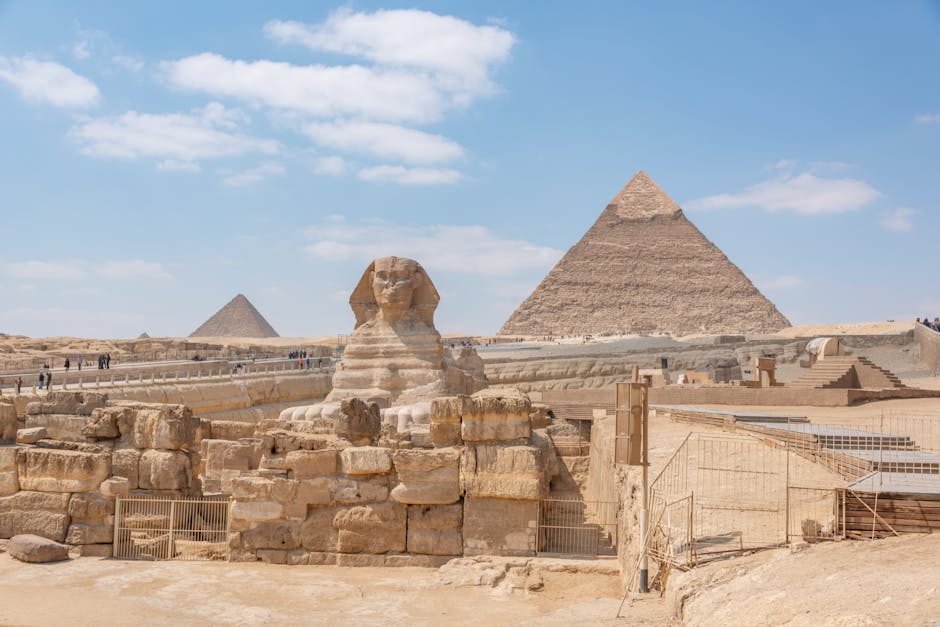

Did You Know? 12 Facts About Ancient Egypt

Did You Know? 12 Facts About Ancient Egypt

⏱️ 7 min read

Ancient Egypt stands as one of the most fascinating and influential civilizations in human history, spanning over three millennia along the banks of the Nile River. While many people are familiar with pyramids and pharaohs, the depth and complexity of Egyptian culture holds countless surprising details that continue to captivate historians and archaeologists today. From revolutionary medical practices to unexpected social freedoms, these remarkable facts reveal a civilization far more advanced and nuanced than commonly imagined.

Fascinating Discoveries from the Land of the Pharaohs

1. Ancient Egyptians Invented Toothpaste

Long before modern dental hygiene, ancient Egyptians created the world's first toothpaste around 5000 BCE. This abrasive mixture contained crushed rock salt, mint, dried iris flowers, and pepper. They applied it using a chewed stick with frayed ends, essentially creating the first toothbrush. While the formula might sound harsh by today's standards, it demonstrated the Egyptians' awareness of oral health and their innovative approach to personal hygiene. Evidence of dental care practices has been found in tombs and medical papyri, showing that maintaining healthy teeth was important across all social classes.

2. Women Enjoyed Remarkable Legal Rights

Ancient Egyptian women possessed legal and economic rights that wouldn't be matched in many Western societies until the 20th century. Women could own property, initiate divorce proceedings, enter into contracts, and serve on juries. They could run businesses independently and inherit estates equally with male siblings. Women could also become pharaohs, though this was rare, with Hatshepsut and Cleopatra being the most famous examples. This level of gender equality was virtually unheard of in the ancient world and stood in stark contrast to contemporary Greek and Roman societies where women had far fewer rights.

3. The Great Pyramid Was the Tallest Structure for Nearly 4,000 Years

The Great Pyramid of Giza, built for Pharaoh Khufu around 2560 BCE, originally stood at 146.5 meters (481 feet) tall. It held the record as the world's tallest man-made structure for approximately 3,800 years until the construction of Lincoln Cathedral in England around 1311 CE. The pyramid's construction required an estimated 2.3 million limestone blocks, each weighing between 2.5 to 15 tons. The precision of its construction is remarkable—the base is level to within just 2.1 centimeters, and the sides are aligned to the cardinal directions within 1/15th of a degree.

4. Cleopatra Lived Closer to the Moon Landing Than the Pyramids' Construction

This mind-bending temporal fact illustrates just how ancient the pyramids truly are. Cleopatra VII, the last active pharaoh of Egypt, lived from 69 to 30 BCE. The Great Pyramid was completed around 2560 BCE. This means Cleopatra lived approximately 2,500 years after the pyramids were built, while the moon landing occurred about 2,000 years after her death. Ancient Egypt's civilization was so long-lasting that its own later rulers viewed early dynasties as distant ancient history.

5. Workers Who Built the Pyramids Were Not Slaves

Contrary to popular belief and Hollywood depictions, archaeological evidence strongly suggests that the pyramid builders were not slaves but paid laborers. Excavations of workers' villages near the Giza pyramids have revealed that these individuals received regular wages, medical care, and proper burials near the monuments they constructed. Workers were organized into crews with names like "Friends of Khufu" and "Drunkards of Menkaure." They consumed high-quality food, including meat, and the work was likely viewed as a form of national service or religious devotion rather than forced labor.

6. Ancient Egyptians Used Moldy Bread as Antibiotic Treatment

Thousands of years before Alexander Fleming discovered penicillin, ancient Egyptian physicians applied moldy bread to infected wounds. The Ebers Papyrus, a medical text dating to around 1550 BCE, contains references to using spoiled grain and moldy bread for treating infections. While they didn't understand the science behind it, the naturally occurring penicillium mold on the bread provided genuine antibiotic properties. This medical knowledge demonstrates the Egyptians' sophisticated understanding of practical healthcare through observation and experimentation.

7. Pharaohs Never Let Their Hair Be Seen

Egyptian pharaohs, both male and female, typically shaved their heads and wore elaborate wigs. These wigs were made from human hair, wool, or plant fibers and were often adorned with gold, jewels, and braiding. The practice served multiple purposes: it was more hygienic in the hot climate, prevented lice infestations, and allowed for elaborate styling that demonstrated wealth and status. The iconic nemes headdress (the striped head cloth seen on King Tut's death mask) was worn over these wigs or shaved heads, and showing one's natural hair was considered improper for royalty.

8. Cats Were Sacred Animals With Legal Protection

The ancient Egyptians' reverence for cats went far beyond keeping them as pets. Cats were associated with the goddess Bastet and were considered sacred animals with legal protection. Killing a cat, even accidentally, could result in the death penalty. When a family cat died, household members would shave their eyebrows in mourning and hold elaborate funeral rites. Cats were mummified and buried in special cemeteries, with thousands of mummified cats discovered at archaeological sites. This veneration partly stemmed from cats' practical value in protecting grain stores from rodents and snakes.

9. Both Men and Women Wore Makeup Daily

Cosmetics were an essential part of daily life for both genders in ancient Egypt. The distinctive eye makeup seen in Egyptian art wasn't merely decorative—it served practical purposes. The dark eye paint, called kohl, was made from ground minerals including lead ore. It helped reduce glare from the intense desert sun and may have had antibacterial properties that protected against eye infections. Green eyeshadow made from malachite was also popular. Egyptians believed makeup had magical healing powers granted by the gods Horus and Ra.

10. The Ancient Egyptians Created One of the First Peace Treaties

The Egyptian-Hittite peace treaty, signed around 1259 BCE between Pharaoh Ramesses II and Hittite King Hattusili III, is one of the earliest surviving peace agreements in history. After the famous Battle of Kadesh, both empires negotiated a treaty that established borders, created a mutual defense alliance, and included provisions for extradition of refugees. Remarkably, copies in both Egyptian hieroglyphics and Akkadian cuneiform have been preserved. A replica of this treaty hangs in the United Nations headquarters in New York, symbolizing humanity's long history of diplomatic conflict resolution.

11. Egyptians Made Paper From Papyrus Plants 5,000 Years Ago

Ancient Egyptians invented one of history's most important writing surfaces around 3000 BCE using the papyrus plant that grew abundantly along the Nile. To create sheets, they cut the plant's pith into strips, laid them perpendicular to each other, and pressed them together. The plant's natural sugars acted as adhesive. Papyrus was lighter and more portable than clay tablets and more durable than animal skins. This innovation revolutionized record-keeping and communication, allowing Egyptian civilization to document everything from religious texts to business transactions, preserving knowledge for millennia.

12. Ancient Egyptians Played Board Games Remarkably Similar to Modern Ones

Entertainment was important in ancient Egyptian society, and board games were popular across all social classes. Senet, one of the oldest known board games, dates back to approximately 3100 BCE. The game involved moving pieces across a board of 30 squares according to the throw of sticks or bones, similar to dice. Senet wasn't merely entertainment—it had religious significance and was believed to represent the journey through the afterlife. Game boards have been found in tombs, including King Tutankhamun's, suggesting Egyptians wanted to continue playing in the next world.

The Enduring Legacy of Ancient Egypt

These twelve facts merely scratch the surface of ancient Egyptian civilization's complexity and sophistication. From groundbreaking medical knowledge and legal systems to engineering marvels and cultural practices, the ancient Egyptians created a society whose innovations continue to influence modern life. Their achievements in architecture, medicine, mathematics, and social organization demonstrate a level of advancement that challenges our assumptions about ancient peoples. The civilization that flourished along the Nile for over three thousand years left an indelible mark on human history, and new archaeological discoveries continue to reveal surprising details about these remarkable people. Understanding these facts not only enriches our knowledge of the past but also reminds us of humanity's enduring capacity for innovation, creativity, and social progress.