











1 / 10 Questions
0 Points

Which Precious Metal Beats Copper At Conducting Electricity?

Silver

Platinum

Gold

Copper

Points won
0
Correct score
0%

More questions

More Articles

Top 10 Hidden Easter Eggs in Disney Movies

Top 10 Hidden Easter Eggs in Disney Movies

⏱️ 6 min read

Disney animators have long delighted audiences by concealing clever references, inside jokes, and hidden surprises throughout their films. These Easter eggs range from subtle nods to previous Disney classics to playful tributes that connect the entire Disney universe. Discovering these hidden gems adds an extra layer of enjoyment to repeat viewings and demonstrates the extraordinary attention to detail that goes into every frame of animation.

The Magic Behind Disney's Hidden Treasures

For decades, Disney's creative teams have embedded secret messages and visual callbacks throughout their animated features. These carefully crafted details often go unnoticed during initial viewings but reward observant fans who take the time to look closer. Understanding these connections reveals the passion and creativity of the animators who bring these beloved stories to life.

1. The Sorcerer's Carpet in Aladdin's Opening Scene

In the opening moments of "Aladdin," the peddler attempts to sell various items from his collection. Among the mysterious objects briefly visible is the Beast from "Beauty and the Beast," appearing as a small toy figurine. More impressively, the peddler pulls out what appears to be the Magic Carpet, foreshadowing its important role later in the film. Additionally, keen-eyed viewers can spot the Genie's lamp sitting inconspicuously among the merchant's wares, cleverly hinting at the adventure to come.

2. Rapunzel and Flynn's Coronation Cameo in Frozen

During Elsa's coronation ceremony in "Frozen," the kingdom of Arendelle welcomes dignitaries from across the realm. Among the guests briefly visible in the crowd are none other than Rapunzel and Flynn Rider from "Tangled." The couple appears for just a few seconds as they enter the castle, suggesting that the two Disney kingdoms exist in the same universe. This connection sparked numerous fan theories about the relationships between different Disney royal families and their interconnected timelines.

3. The Mysterious Pizza Planet Truck Throughout Pixar Films

The iconic Pizza Planet delivery truck from "Toy Story" has become one of Pixar's most enduring Easter eggs, appearing in nearly every Pixar film since its debut. This yellow truck with the distinctive rocket logo can be spotted in "A Bug's Life" as a mobile home, in "Finding Nemo" as a vehicle on the street, and even in "Brave," where it's cleverly disguised as a wooden carving. The animators take pride in finding creative ways to incorporate this vehicle into vastly different settings and time periods, making it a beloved treasure hunt for Pixar enthusiasts.

4. Mrs. Potts Making Tea in Tarzan

During the chaotic "Trashin' the Camp" musical sequence in "Tarzan," Terk and her gorilla friends create mayhem with the human camp's possessions. Among the items they play with is a distinctive tea set that bears a remarkable resemblance to Mrs. Potts and Chip from "Beauty and the Beast." The teapot is even shown pouring tea in the same charming manner as the enchanted character, creating a delightful cross-reference that connects these two very different Disney worlds.

5. The Haunted Mansion's Sinister Presence in The Princess and the Frog

Disney's classic theme park attraction makes a subtle appearance in "The Princess and the Frog." Dr. Facilier's voodoo emporium contains numerous mysterious artifacts and decorations that reference the Haunted Mansion ride. Most notably, the shadow magic employed by the villain mirrors effects used in the attraction, and certain mystical symbols throughout his lair match those found in the ride's queue area. This connection pays homage to New Orleans' supernatural reputation while honoring Disney's theme park legacy.

6. Nemo's Cameo Swimming Through Monsters, Inc.

Before "Finding Nemo" even premiered in theaters, the little clownfish made an early appearance in "Monsters, Inc." During Boo's introduction to the monster world, she hands Sulley several toys from her room. Among these toys is a small orange fish that clearly resembles Nemo, complete with his distinctive small fin. This was Pixar's way of teasing their upcoming ocean adventure while demonstrating their commitment to interconnected storytelling.

7. Mickey Mouse's Hidden Silhouette in The Little Mermaid

Throughout "The Little Mermaid," careful observers can spot multiple hidden Mickey Mouse designs. The most notable appears during the scene where King Triton enters the concert hall. In the underwater audience, three circular bubbles arrange themselves in the classic Mickey Mouse silhouette formation. Additionally, when Ursula signs the contract with Ariel, Mickey's iconic three-circle shape can be spotted on the scroll. These hidden Mickeys have become a signature Disney tradition, appearing in virtually every animated feature.

8. The Luxo Ball's Journey Across Pixar's Universe

The colorful red, yellow, and blue Luxo ball, originally featured in Pixar's early short films, has appeared in numerous feature films as a recurring Easter egg. In "Toy Story," it sits on the floor of Andy's room. In "Up," young Carl Fredricksen plays with it as a child. The ball appears in "Finding Nemo," "Inside Out," and even "The Incredibles." This simple prop has become a symbol of Pixar's origins and appears as a nostalgic callback to the studio's beginnings with the Luxo Jr. short film.

9. Dumbo's Mother's Tender Appearance in Lilo & Stitch

During one of the most emotional scenes in "Lilo & Stitch," when Nani reads to Lilo from "The Ugly Duckling," posters decorate the walls of their bedroom. One poster shows an elephant holding a small baby elephant with its trunk in a tender embrace, directly mirroring the iconic scene from "Dumbo" where Mrs. Jumbo comforts her baby through the bars of her cage. This touching reference reinforces the film's themes of family and belonging while honoring one of Disney's most emotional classics.

10. The Mysterious A113 Code Throughout Disney and Pixar Films

Perhaps the most famous Disney Easter egg is the recurring reference to "A113," which appears in countless Disney and Pixar productions. This code references the classroom number at California Institute of the Arts where many Disney animators studied. In "Toy Story," it's Andy's mom's license plate. In "Finding Nemo," it's the model number on the camera that the diver uses. In "The Princess and the Frog," it appears on a streetcar. This code has become such a beloved tradition that fans eagerly search for it in every new Disney release, and animators have become increasingly creative in how they hide it.

The Lasting Impact of Disney's Hidden Details

These Easter eggs demonstrate Disney's commitment to rewarding dedicated fans while creating layers of meaning within their films. From subtle character cameos to recurring symbolic objects, these hidden details encourage repeat viewings and foster a sense of community among Disney enthusiasts who delight in discovering and sharing these secrets. The tradition continues with each new release, ensuring that audiences of all ages have magical surprises waiting to be uncovered in the worlds that Disney creates.
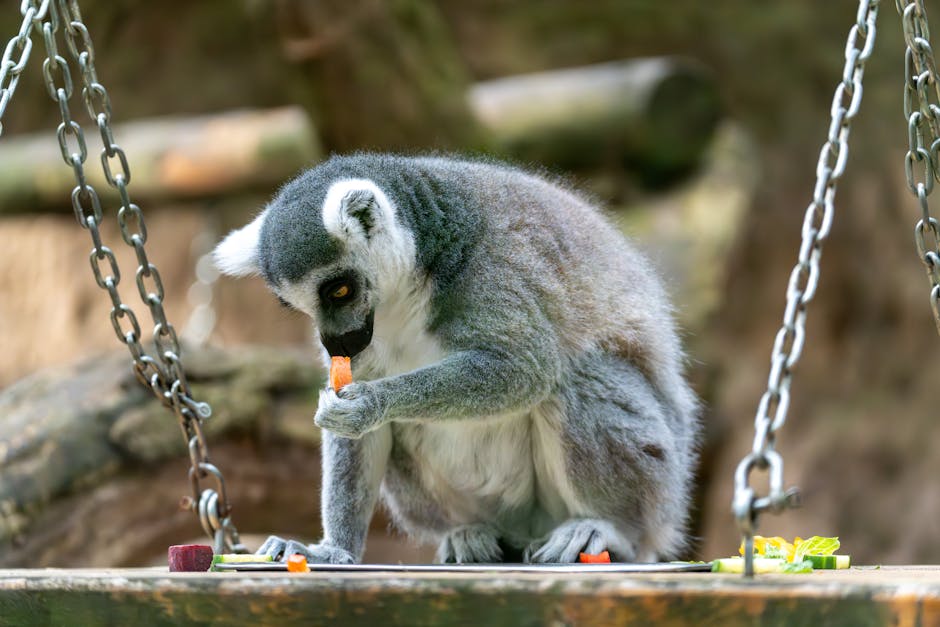

Top 10 Fun Facts About the Animal Food Chain

Top 10 Fun Facts About the Animal Food Chain

⏱️ 6 min read

The intricate web of life connects every organism on Earth through a complex system of energy transfer and survival. From the smallest plankton to the mightiest predators, the animal food chain reveals fascinating patterns, surprising relationships, and remarkable adaptations that have evolved over millions of years. Understanding these connections provides insight into how ecosystems function and why biodiversity matters for the planet's health.

Discovering the Wonders of Nature's Energy Transfer System

1. The 10 Percent Energy Rule Governs All Food Chains

One of the most fundamental principles governing food chains is the 10 percent rule, which states that only about 10 percent of energy transfers from one trophic level to the next. When a herbivore consumes plants, it only retains approximately 10 percent of the energy stored in that plant material. The remaining 90 percent is lost through metabolic processes, heat, and waste. This dramatic energy loss explains why ecosystems can support far fewer apex predators than primary consumers. For example, it takes roughly 1,000 pounds of phytoplankton to produce 100 pounds of zooplankton, which produces 10 pounds of small fish, which ultimately produces just 1 pound of large predatory fish.

2. Decomposers Are the Unsung Heroes of Every Ecosystem

While predators and prey often steal the spotlight, decomposers like fungi, bacteria, and certain insects perform the critical task of recycling nutrients back into the environment. Without these organisms breaking down dead plant and animal matter, essential nutrients would remain locked away in deceased organisms, making them unavailable for new growth. Decomposers can break down nearly everything, from fallen leaves to the largest whale carcasses on the ocean floor. A single whale fall can support an entire ecosystem of specialized organisms for decades, demonstrating the profound impact decomposers have on maintaining the circular flow of energy and nutrients.

3. Some Animals Occupy Multiple Trophic Levels Simultaneously

Nature rarely fits into neat categories, and many animals defy simple classification within food chains. Bears, for instance, function as both secondary and tertiary consumers, eating berries, fish, and occasionally larger prey. Humans also occupy multiple trophic levels, consuming everything from plants to apex predators. These omnivorous species play unique roles in their ecosystems, creating connections between different food chains and adding resilience to food webs. This flexibility often provides survival advantages during times when preferred food sources become scarce.

4. Ocean Food Chains Start With Microscopic Powerhouses

The foundation of oceanic food chains rests on organisms so small they're invisible to the naked eye. Phytoplankton, microscopic photosynthetic organisms drifting in the ocean's sunlit zones, produce approximately 50 to 80 percent of Earth's oxygen while forming the base of marine food chains. These tiny organisms support everything from small zooplankton to the largest animals ever to exist—blue whales. A single blue whale can consume up to 4 tons of krill daily, and those krill depend entirely on phytoplankton for sustenance. This creates one of the shortest food chains connecting microscopic organisms directly to the planet's largest creature.

5. Apex Predators Shape Entire Ecosystems Through Trophic Cascades

The removal or reintroduction of apex predators can trigger dramatic changes throughout an entire ecosystem, a phenomenon known as a trophic cascade. The reintroduction of wolves to Yellowstone National Park in 1995 provides a classic example. The wolves reduced elk populations and changed their grazing behavior, allowing vegetation to recover along riverbanks. This vegetation stabilized soil, changed river courses, and provided habitat for numerous species, from beavers to songbirds. The presence of these top predators literally reshaped the physical landscape, demonstrating how food chain relationships extend far beyond simple predator-prey dynamics.

6. Scavengers Prevent Disease and Accelerate Nutrient Cycling

Scavengers like vultures, hyenas, and carrion beetles perform essential sanitation services by consuming dead animals before dangerous bacteria and pathogens can proliferate. Vultures possess extremely acidic stomach contents that destroy harmful bacteria like anthrax and botulism, preventing these diseases from spreading through ecosystems. In regions where vulture populations have declined dramatically, such as parts of India, the accumulation of livestock carcasses has led to increased disease transmission and populations of feral dogs, demonstrating how the loss of a single link in the food chain can have unexpected and far-reaching consequences.

7. Some Plants Turn the Tables as Carnivores

While plants typically occupy the producer level of food chains, carnivorous plants blur these boundaries by consuming insects and sometimes small animals. Venus flytraps, pitcher plants, and sundews have evolved in nutrient-poor environments where obtaining nitrogen and other essential nutrients from the soil proves difficult. By digesting insects, these plants effectively function at multiple trophic levels simultaneously. The largest carnivorous plants, such as certain pitcher plant species in Southeast Asia, can trap and digest small mammals and reptiles, creating unusual food chain reversals where producers consume consumers.

8. Seasonal Changes Create Dynamic Food Chain Fluctuations

Food chains don't remain static but shift dramatically with seasons, particularly in temperate and polar regions. Arctic food chains provide striking examples, with summer abundance supporting complex food webs that simplify drastically during winter months. Polar bears switch from seals during ice-covered months to bird eggs, vegetation, and scavenging during ice-free periods. Many animals store energy during abundant seasons to survive lean periods, while others migrate thousands of miles to follow food availability. These seasonal adaptations demonstrate the dynamic nature of food chain relationships and the remarkable flexibility of animal survival strategies.

9. Keystone Species Maintain Food Chain Balance Despite Low Abundance

Certain species exert disproportionately large effects on their ecosystems relative to their abundance, earning the designation as keystone species. Sea otters exemplify this concept perfectly. By consuming sea urchins, otters prevent these herbivores from overgrazing kelp forests. When otter populations decline, urchin numbers explode, kelp forests disappear, and dozens of species that depend on kelp habitat vanish. Despite being relatively few in number, sea otters maintain the entire ecosystem's structure, illustrating how some food chain connections prove more critical than others.

10. Human Activity Disrupts Food Chains on Global Scales

Modern human activities have altered food chains worldwide through overfishing, habitat destruction, pollution, and climate change. Removing large predatory fish from ocean food chains has allowed smaller prey fish to proliferate, which then overconsume zooplankton, affecting phytoplankton populations and ultimately impacting oxygen production. Plastic pollution introduces toxic substances that accumulate as they move up food chains through biomagnification, with apex predators receiving the highest concentrations. Understanding these disruptions emphasizes the interconnected nature of all life and the importance of conservation efforts to maintain healthy food chain relationships.

The Interconnected Web of Life

These remarkable facts reveal that food chains represent far more than simple linear relationships between predators and prey. They form complex, interconnected webs where each organism plays specific roles in energy transfer, nutrient cycling, and ecosystem maintenance. From microscopic phytoplankton producing the air we breathe to apex predators shaping landscapes, every link in these chains contributes to the planet's biological diversity and ecological stability. Recognizing these connections helps us appreciate the delicate balance sustaining life on Earth and the importance of protecting these relationships for future generations.