⏱️ 7 min read
Digital art has revolutionized the creative landscape, transforming how artists conceive, create, and share their work with the world. From its humble beginnings in the 1960s to today's sophisticated virtual reality experiences, digital art has become an integral part of contemporary culture. Whether you're a seasoned digital artist, an art enthusiast, or simply curious about this modern medium, these fascinating facts will deepen your appreciation for the technology and creativity behind digital masterpieces.
The Origins and Evolution of Digital Art
1. The First Digital Artwork Was Created in 1967
Digital art didn't begin with Photoshop or iPads. The first recognized digital artwork was created by engineers at Bell Labs in 1967. Using a mainframe computer that filled an entire room, they programmed algorithms to generate visual patterns. These pioneers, including artists like Frieder Nake and Georg Nees, created geometric compositions that laid the groundwork for computer-generated art. Their work was so groundbreaking that museums began collecting digital art prints created on plotters, establishing digital art as a legitimate artistic medium.
2. Digital Art Files Can Sell for Millions of Dollars
The art world was stunned in 2021 when digital artist Beeple sold an NFT artwork titled "Everydays: The First 5000 Days" for $69.3 million at Christie's auction house. This sale not only shattered records but also legitimized digital art in the traditional art market. Unlike physical paintings, buyers received only a digital file and a blockchain certificate of authenticity, proving that digital creations can command the same respect and value as traditional masterpieces.
3. The Graphics Tablet Predates Personal Computers
The first graphics tablet, called the RAND Tablet, was developed in 1964—more than a decade before personal computers became available to consumers. This early device used a stylus to detect hand-drawn positions on a surface, transmitting them to a computer. While primitive by today's standards, it established the foundation for modern drawing tablets that millions of digital artists use today, proving that the desire to draw naturally on computers existed long before the technology caught up.
Technical Innovations and Capabilities
4. Digital Art Never Degrades or Ages
Unlike traditional paintings that fade, crack, or deteriorate over time, properly stored digital artwork remains in perfect condition indefinitely. A digital file created today will look identical centuries from now, provided it's properly backed up and the file format remains accessible. This permanence makes digital art particularly appealing for preservation purposes, though it also raises interesting questions about the value of aging and patina that traditional artworks acquire over time.
5. Photoshop Was Originally Created for Displaying Grayscale Images
The world's most famous digital art software began as a simple program called "Display" in 1987, created by Thomas Knoll to show grayscale images on monochrome displays. His brother John saw its potential, and together they developed it into ImagePro, eventually renamed Photoshop. Adobe acquired the license in 1988, and the first commercial version was released in 1990. What started as a basic image viewer transformed into the industry standard for digital image manipulation, fundamentally changing visual arts forever.
6. Digital Artists Can Create Infinite Layers Without Physical Limitations
Traditional painters must work within physical constraints—paint dries, canvases have texture, and correcting mistakes can be challenging. Digital artists enjoy unprecedented freedom with unlimited layers, allowing them to separate elements, experiment without consequences, and make non-destructive edits. Some complex digital paintings contain hundreds of layers, each representing different elements, lighting effects, or adjustment settings that would be impossible to achieve with traditional media.
Cultural Impact and Industry Applications
7. Every Modern Animated Film Contains Thousands of Hours of Digital Art
A single frame of a Pixar or Disney animated film can take between four to seven hours to render, and these films contain approximately 130,000 frames. Digital artists create every texture, lighting effect, and character model through sophisticated software. Movies like "Toy Story 4" required teams of hundreds of digital artists working for years, creating artwork that exists only in digital form but generates billions in revenue and touches millions of viewers worldwide.
8. Digital Painting Software Can Simulate Real-World Physics
Modern digital art programs have become so sophisticated that they can simulate how real paint behaves, including brush pressure, paint mixing, canvas texture, and even the way watercolors bleed and spread. Programs like Corel Painter and Adobe Fresco use advanced algorithms to replicate the physical properties of traditional media, allowing artists to achieve realistic effects without the mess, expense, or storage requirements of physical supplies.
9. Video Game Concept Art Drives Billion-Dollar Industries
The video game industry, now larger than the film and music industries combined, relies entirely on digital artists. Concept artists create the visual direction for games, producing hundreds of digital paintings during development. These artworks guide 3D modelers, environment designers, and animators in creating immersive worlds. Games like "The Last of Us" and "God of War" showcase digital art that rivals any traditional medium in emotional impact and technical excellence.
Accessibility and Community
10. Digital Art Has Democratized Artistic Creation
Traditional art materials can be expensive and intimidating for beginners. Digital art software, while sometimes costly, provides unlimited supplies once purchased—infinite paint colors, erasers that never wear out, and canvas space that costs nothing extra. Free programs like Krita, GIMP, and Blender have made professional-grade tools accessible to anyone with a computer, enabling millions of aspiring artists worldwide to develop their skills without financial barriers.
11. Speed Painting Videos Have Created a New Art Genre
Digital art software allows artists to record their entire creative process, spawning a popular genre of time-lapse "speed painting" videos. These recordings compress hours of work into minutes, revealing artistic techniques and decision-making processes that were traditionally mysterious. Platforms like YouTube host millions of these videos, creating educational resources and entertainment that help both artists and audiences appreciate the skill involved in digital creation.
12. Digital Art Powers Modern Fashion and Product Design
Before any physical prototype is created, fashion designers and product developers create detailed digital renderings. Software like CLO3D allows fashion designers to drape virtual fabric on digital mannequins, seeing how garments move and fit without sewing a single stitch. Similarly, industrial designers create photorealistic product visualizations that are indistinguishable from photographs, streamlining the design process and reducing waste from physical prototyping.
Future Possibilities and Emerging Trends
13. Artificial Intelligence Is Becoming a Digital Art Collaborator
AI-powered tools are transforming digital art creation. Programs like Stable Diffusion and DALL-E can generate images from text descriptions, while other AI tools assist with coloring, upscaling, and style transfer. Rather than replacing artists, these technologies are becoming powerful tools that handle tedious tasks and inspire new creative directions, sparking important conversations about authorship, creativity, and the future of artistic expression.
14. Virtual Reality Creates Truly Three-Dimensional Digital Art
VR painting programs like Tilt Brush and Quill allow artists to create sculptures and paintings in three-dimensional space, walking around their creations as they work. This technology represents a fundamental shift from creating art on a two-dimensional screen to working in immersive 3D environments. Artists can create room-sized installations, animated experiences, and spatial artworks that viewers can explore from any angle, blurring the lines between painting, sculpture, and installation art.
15. Digital Art Is Displayed in Space
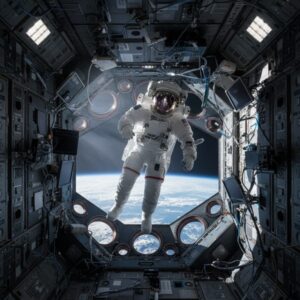
Digital artwork has literally left Earth. The International Space Station features digital displays showing rotating collections of digital art, and astronauts have created digital art in space using tablets. NASA and other space agencies commission digital artists to create visualizations of space phenomena, and some artists have even sent digital artwork to the Moon on data storage devices. This extraterrestrial presence represents the ultimate portability and durability of digital art—it requires no special preservation conditions and weighs virtually nothing to transport.
Conclusion
Digital art has evolved from experimental computer-generated patterns to a dominant force in contemporary visual culture. These fifteen facts demonstrate how digital art has transformed creative possibilities, democratized artistic access, generated new industries, and pushed the boundaries of what art can be. As technology continues advancing with artificial intelligence, virtual reality, and other innovations, digital art will undoubtedly surprise us with new forms, techniques, and applications we can barely imagine today. Whether appreciated on museum walls, in blockbuster films, or through immersive virtual experiences, digital art has permanently altered the artistic landscape and continues to expand the definition of creativity itself.